In brief
Ireland's withdrawal from this year's Eurovision Song Contest is a significant move amid rising tensions due to Israel's actions in Gaza. As one of five countries boycotting the event, Ireland's decision reflects deep moral and humanitarian concerns, resonating with varying opinions within the Irish community, including youth support for the boycott and dissent within the Jewish community.
From Johnny Logan and Dana to years of dominance in the early 1990s, Ireland has a storied history with the Eurovision Song Contest. Ordinarily, the country, which holds the joint record for most wins with Sweden, would join the rest of Europe in eagerly awaiting Saturday's grand final. But not this year.
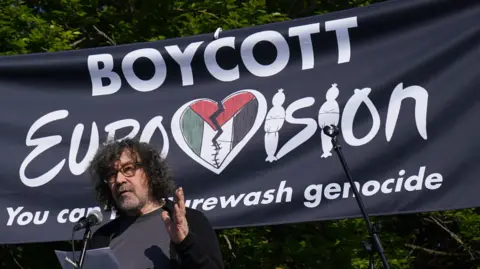
Ireland is one of five countries, along with Iceland, the Netherlands, Slovenia, and Spain, boycotting the contest over the European Broadcasting Union's (EBU's) decision to allow Israel to participate. The competition features no Irish entrant, and national broadcaster RTÉ will not be showing events from Austria, airing a Eurovision-themed episode of sitcom Father Ted instead.
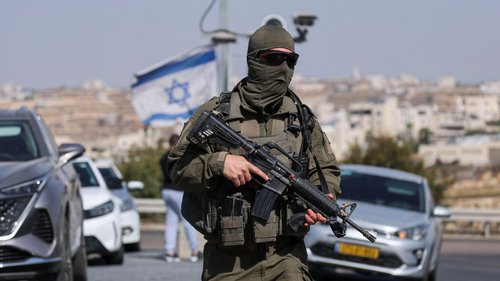
Ireland's participation in the boycott is the latest in a series of moves that has seen the country at odds with Israel over its war in Gaza, leading it to be viewed as one of the most pro-Palestine countries in Europe. Israeli broadcaster Kan has described the absence of Ireland and other countries as a 'cultural boycott' which 'harms freedom of creation and freedom of expression'.
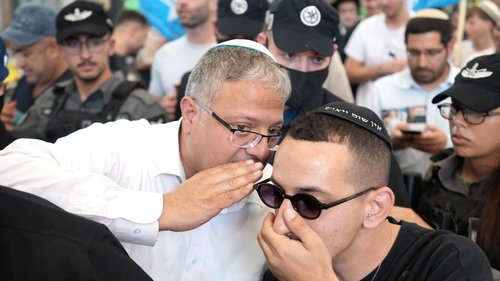
Young people on the streets of Dublin who spoke to BBC News NI were largely supportive of the boycott, aligning their views with the country's stance on humanitarian issues in Gaza. Some claimed the UK should also follow suit. However, voices from within the Irish Jewish community expressed concern about the implications of the boycott, indicating a complex relationship between the Irish government and Israel.
Despite the public support for the boycott, discussions surrounding the moral repercussions continue, with RTÉ stating its actions are based on the humanitarian crisis in Gaza. This has sparked debates about cultural representation and expression, demonstrating the deep divide in opinions on this international stance. As the Eurovision approaches, the implications of this boycott unfold against a backdrop of rich cultural history juxtaposed with pressing contemporary political issues.