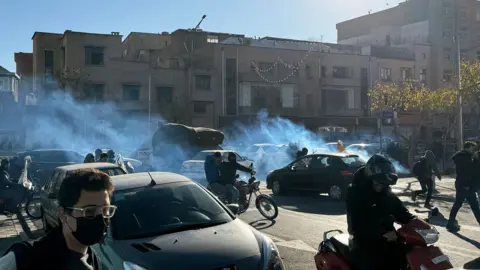
Iran is no stranger to street protests, but several factors surrounding the current unrest make it particularly serious. Monday marks the ninth day since demonstrations erupted, with President Trump issuing direct warnings to Iranian leaders regarding their treatment of protesters, describing the U.S. as 'locked and loaded.' Such firm threats from a sitting U.S. president during ongoing protests are unusual and could further embolden demonstrators.
Human rights groups have reported violent responses from Iranian police and security forces, with over 20 fatalities already recorded. The protests, which began peacefully on December 28, were initially ignited by outrage over soaring inflation and the sharp devaluation of the local currency, which has risen nearly 80% in value against the dollar in the past year.
Iran's economy is in grave distress, marked by an official annual inflation rate of around 42%, food inflation exceeding 70%, and some basic goods seeing price hikes of over 110%. International sanctions, particularly from the U.S., have exacerbated this situation, but high-profile corruption among Iranian officials has also fueled public anger.
Merchants in Tehran's Grand Bazaar were among the first to protest, closing shops in response to daily currency fluctuations, which quickly escalated into broader calls for political change across the country. Many ordinary Iranians have taken to the streets, and chants against Iran's leadership have resurfaced prominently.
Though the current protests are widespread, they have not yet reached the intensity seen during the 'Mahsa Movement' of 2022, which resulted in significant anti-government demonstrations following the death of Mahsa Amini. As the government faces simultaneous pressures both domestically and internationally, including a changed geopolitical landscape and past conflicts, the outcome of these protests could shape Iran's future significantly.