In brief
Alberto Castañeda Mondragón, a 31-year-old Mexican immigrant, sustained severe injuries while in the custody of Immigration and Customs Enforcement (ICE) but the federal agency's explanation of how these injuries occurred has been called into question. Medical staff at Hennepin County Medical Center expressed disbelief at ICE's claims, leading to concerns about the treatment of immigrants in medical facilities. Legal representatives assert that Castañeda Mondragón was racially profiled and improperly detained, contributing to mounting tensions between healthcare workers and ICE officers in hospitals.
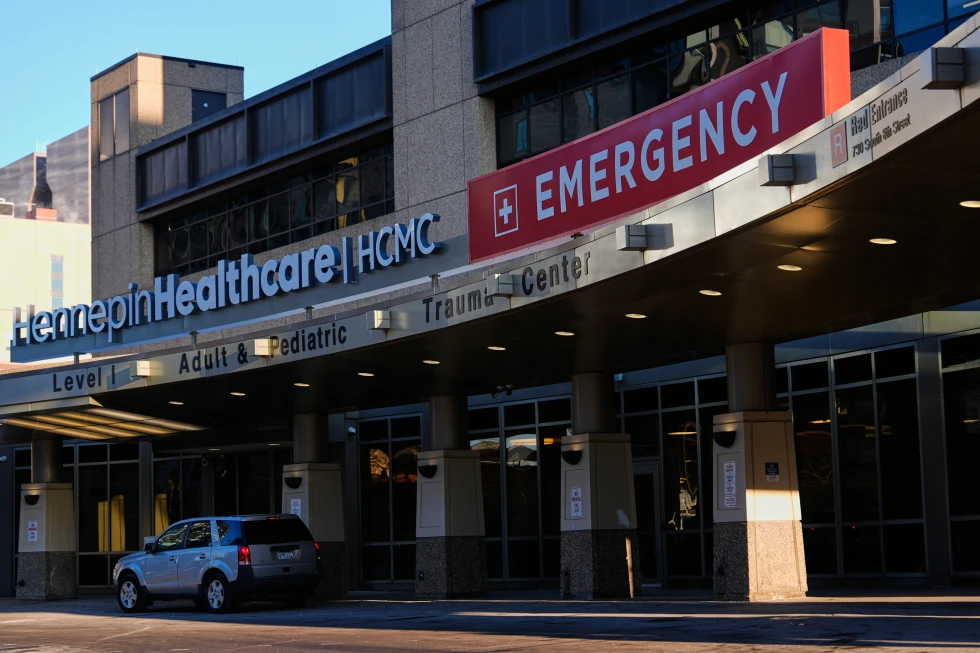
MINNEAPOLIS (AP) — A Mexican immigrant was taken to a Minneapolis hospital earlier this month after bones in his face and skull were broken while he was in federal custody.
Immigration and Customs Enforcement agents initially claimed Alberto Castañeda Mondragón had attempted to flee while handcuffed and “purposefully ran headfirst into a brick wall,” according to court documents filed by a lawyer seeking his release.
However, medical assessments at Hennepin County Medical Center indicated that the extent of his injuries could not possibly be explained by the federal agency's narrative. The nursing staff described ICE's explanation as “laughable.”
A deeper dive into Castañeda Mondragón's case illustrates a larger trend of strained relationships between immigration enforcement and healthcare providers that has caused concern among medical professionals about the treatment of injured detainees.
Injuries and Accountability
The assessment of Castañeda Mondragón's injuries contradicted ICE's account. Medical professionals universally remarked that there was no rational physical explanation supporting ICE's claims of a self-inflicted injury through accidental contact with a wall. Repeated instances of perceived misconduct by immigration officers in medical environments have amplified tensions at medical facilities across the region.
Castañeda Mondragón, an immigrant who had previously entered the U.S. with valid documentation, now faces an uncertain future plagued by significant memory issues following the injuries sustained during his arrest.
Tensions between ICE and Healthcare Workers
The presence of ICE officers in hospitals has made healthcare workers feel uncomfortable and exposed. Staff have reported feeling intimidated by armed immigration agents, who have lingered at hospital sites interrogating patients and staff. Hospital protocols have been reiterated to ensure respect for patient privacy, yet tensions persist as healthcare workers grapple with dual responsibilities of treating vulnerable patients while navigating the complexities of federal immigration policies.
The apprehensive atmosphere within medical facilities reflects broader societal concerns about the treatment of immigrants and the ethical obligations of healthcare professionals.
This incident has sparked a dialogue on the need for improved protocols and protection for both healthcare staff and the individuals they treat, underscoring the urgent necessity for reforms within immigration enforcement practices.