In brief
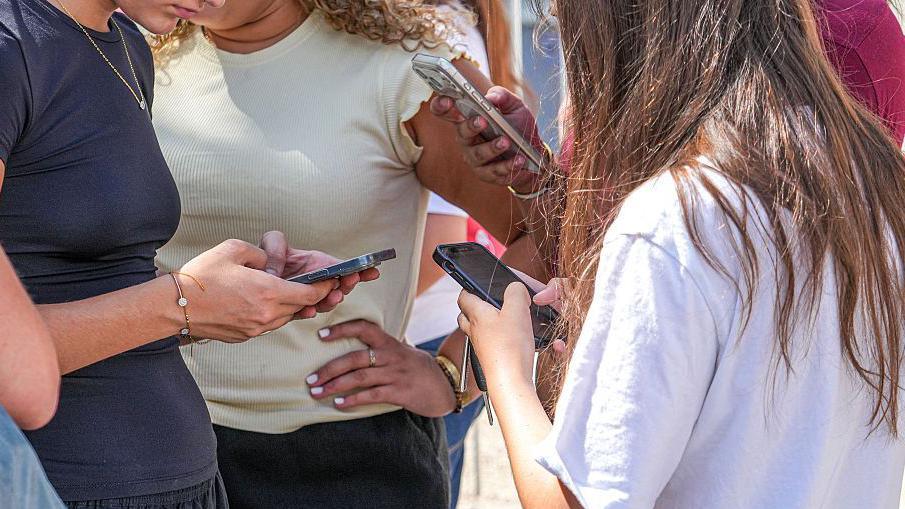
France's top court has invalidated a new law banning social media for children under 15, ruling it violated freedom of expression. Lawmakers had introduced the ban in July amid concerns over children’s mental health. President Macron is pressing for a revised draft to be ready by 2027. The decision fits into a broader European debate on limiting minors’ online presence, with similar moves in the UK and Australia.
France's top court blocks social media ban for under-15s
The Constitutional Council declared the recent French law that would have forbade children under 15 from creating or using social‑media accounts unconstitutional, calling the restriction an “infringement that is neither appropriate, necessary, nor proportionate” to freedom of expression.
Lawmakers introduced the bill in July, making France the first European country to attempt a blanket ban on minors’ access to platforms such as Instagram, TikTok or YouTube. The decision was driven by fears that social media negatively impacts children’s mental health, but critics argued it was an overreach.
After the court’s ruling, President Emmanuel Macron asked Prime Minister Sébastien Lecornu to draft a new version of the legislation that respects constitutional guarantees. The government has pledged to produce the revised bill “as quickly as possible” and aim for implementation by early 2027.
Under the original proposal, all accounts belonging to users under 15 would be closed from September, with compulsory age verification for new accounts and complete removal from January. The new draft must incorporate safeguards for privacy and the effectiveness of age‑verification tools, according to the court.
The ruling reflects a rising trend across Europe, where governments are tightening regulations on minors’ online activity. In May, EU Commission President Ursula von der Leyen suggested a “social media delay” for EU children, to be followed by new legislation. The UK announced a similar ban for users under 16, effective January 2027, along with a midnight curfew for 16‑ and 17‑year‑olds.
Australia, the first country to pass a ban on under‑16 users in December, has seen many youths circumventing the restrictions. France’s experience may inform continental policy on child safety, digital rights, and the balance between public health and free expression in the virtual world.