In brief
Australia is racing to become a global AI hub, with 162 data centres already in place and plans for 90 more. Large, fan‑filled factories loom over suburbs like Lane Cove, causing noise and potential power strain. Critics argue the surge threatens water supplies, demands vast renewable upgrades, and displaces local businesses. The government insists the cost–benefit balance will spur tech jobs and economic growth, but residents question whether the energy and environmental toll is worth the promise of AI dominance.
Australia’s AI data‑centre boom is reshaping suburbs, but at a steep cost
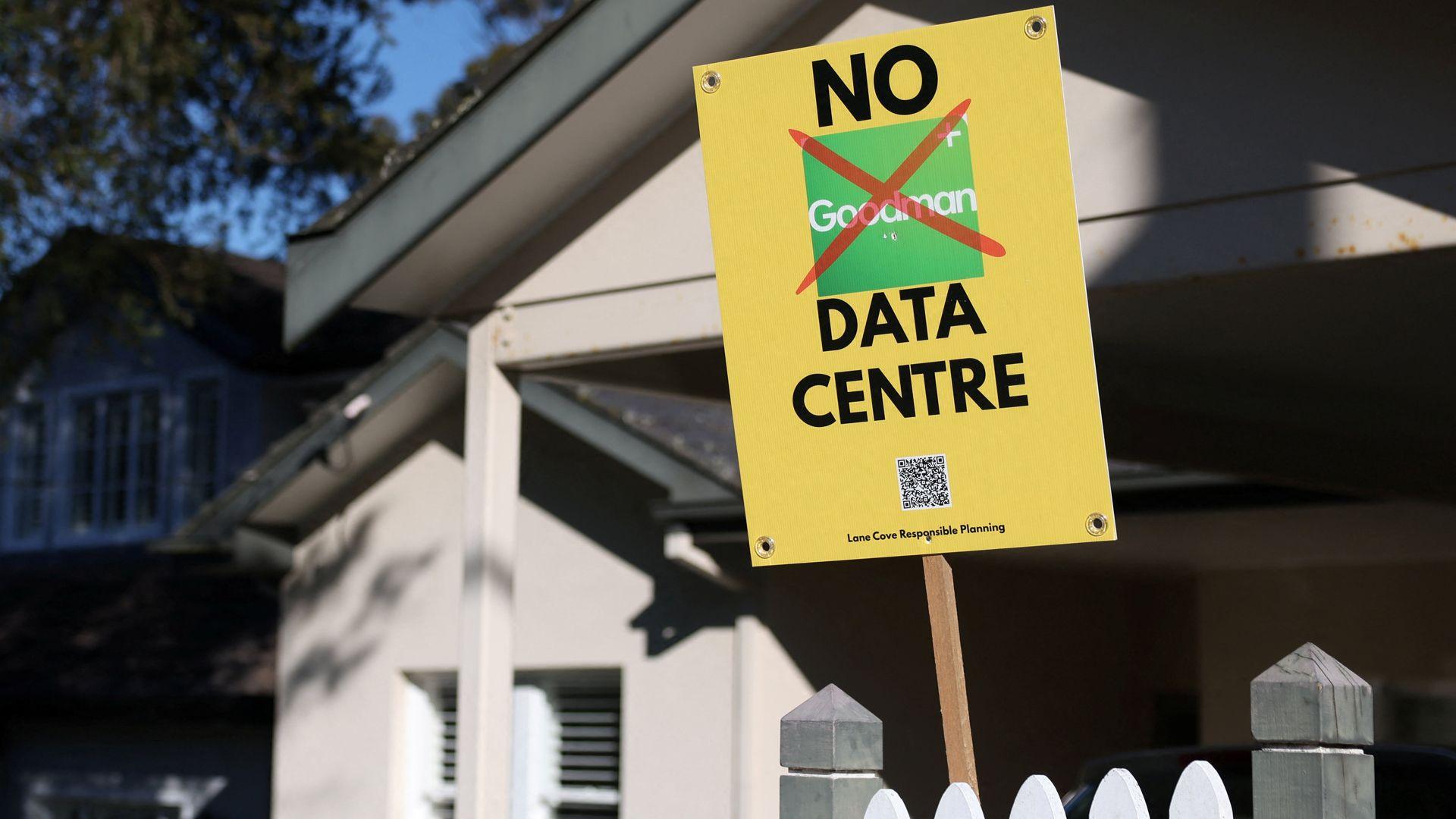
In the Sydney suburb of Lane Cove, a humming roar from a data centre located just 350 m from a family home has become a part of nightly life. The same hum that once seemed a minor background noise is now a sign of a larger national trend: Australia is becoming a magnet for data‑centre investment.
Since 2023, the country has built 162 data centres, with an additional 90 planned. The combined investment—estimated at A$155 bn (£80 bn) —has attracted high‑profile names such as OpenAI, Google and Amazon. The intent is clear: position Australia as a low‑latency, secure hub for global artificial‑intelligence workloads.
Yet the new facilities come with several hard‑edge realities. The immense electrical demand of a data‑centre can triple by 2030, according to the Australian Energy Market Operator, and could push New South Wales power prices up by 26 % by 2035. If the grid is strained, many data rooms will rely on backup diesel generators, further inflating the carbon footprint.
Water use is another battleground. Cooler temperatures in a drought‑prone nation require large volumes of still water: some data centres can consume up to 40 million litres daily, equal to 80,000 households. Experts warn that up to one‑quarter of Sydney’s drinking water could be diverted to servers by 2035.
Local opposition is fierce. Residents of Lane Cove, who were not consulted, now demand greater transparency. “We never had a say,” said deputy mayor Rochelle Flood. “Will you use our water for generative AI slop and our land for a data hub with no tangible benefit to the community?”
Politicians argue the benefits outweigh the costs. NSW Treasurer Daniel Mookhey points out that new data facilities could usher in private investment in renewable projects and create jobs for future generations, though it is unclear how many will be generated beyond construction. Existing workers fear relocation or job loss as businesses move to accommodate the cluster.
At the core lies a question of national identity: should Australia become the world’s data‑centre hinge at the expense of its environment and local communities? The answer will shape the shape of its economy, its infrastructure, and its social fabric for decades to come.