In brief
U.S. District Judge Sara Ellis has mandated that federal agents in Chicago restrict their use of force against peaceful protesters and journalists, stating that current practices infringe on constitutional rights. This injunction addresses the ongoing allegations of excessive force employed during immigration enforcement actions. The judge's ruling specifies that agents must issue warnings prior to using riot control methods and are only permitted to use force when it is 'objectively necessary to stop an immediate threat.' This decision has emerged after testimonies revealed the distressing experiences faced by protesters, including being subjected to tear gas and violent tactics. The ruling is set to be appealed by the Trump administration.
CHICAGO — A federal judge announced on Thursday an injunction limiting the use of force by federal agents in Chicago against peaceful protesters and journalists, stating that current practices breach constitutional rights.
This preliminary injunction follows a lawsuit that claims federal agents have acted with excessive force during an immigration enforcement operation in the Chicago area.
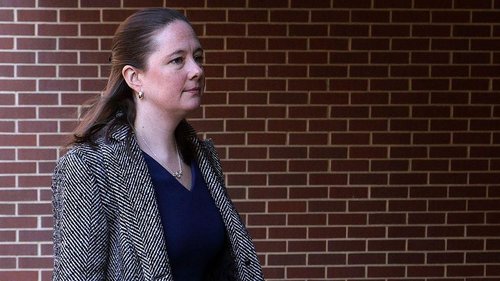
U.S. District Judge Sara Ellis's ruling is anticipated to be contested by the Trump administration. It refines a previous temporary order requiring agents to wear badges and prohibiting the use of specific riot-control methods, such as tear gas, against peaceful gathering participants, including journalists. After expressing dissatisfaction with federal officials compliance, she imposed an additional requirement for agents to wear body cameras.
Ellis, starting the hearing with a homage to Chicago's vibrancy through a poem by Carl Sandburg, asserted it was categorically false to label the area a hotbed of violence and unrest.
In her remarks, Ellis emphasized the obligation to uphold civil liberties, underlining that excessive force has a chilling effect on individuals wishing to exercise their right to protest. The judge confirmed that before using any force, agents must give two warnings and may only resort to force when there is an 'immediate threat.'
The injunction has ignited discussions on law enforcement protocols and the importance of safeguarding citizen rights during demonstrations, especially in contexts involving immigration enforcement.