In brief
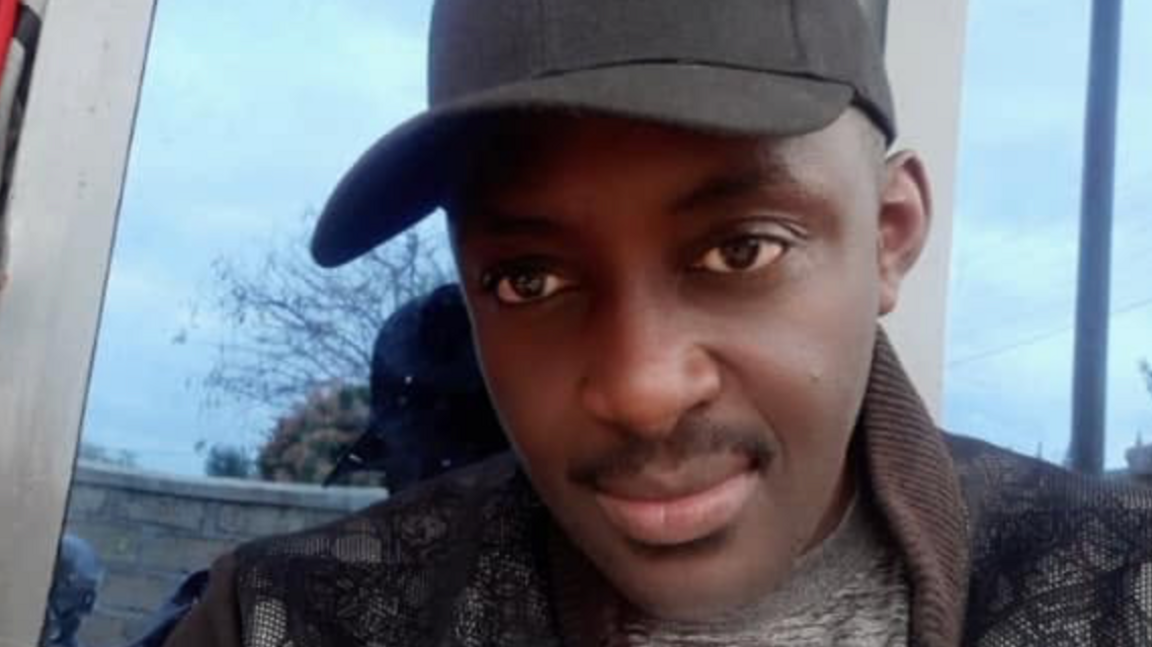
Robert Kabera, a former Rwandan army sergeant major turned outspoken critic of President Paul Kagame, was found beheaded outside Kampala, Uganda, after fleeing Rwanda over allegations of sexual assault. The homicide has not been solved and the head remains missing, raising concerns for the safety of Rwandan exiles. Kabera had gained a following on YouTube with over 144,000 subscribers, using his platform to lampoon Kagame’s administration. His death extends a pattern of suspicious killings of Rwandan critics abroad. Families, including Kabera’s widow, now fear for their own security as the Rwandan government remains silent on the matter.
Robert Kabera, a former army sergeant major in Rwanda who rose to notoriety as a YouTube personality, was found beheaded outside the capital of Uganda, Kampala, on the weekend. The incident came a day after the Kenyan police said they could not recover Kabera’s head, prompting widespread speculation about the orchestrators of the brutality.
Kabera fled Rwanda in 2024, citing political persecution after being accused of sexual assault—a charge he denied. He sought asylum in a neighbouring country, vowing to continue the critique of President Paul Kagame’s growing grip on power via his online channel, which amassed over 144,000 subscribers.
Ugandan officials confirmed that local residents uncovered the body near Kampala’s outskirts, nearly 45 kilometres from the city centre. The Ugandan police spokesperson Kituuma Rusoke stated that the head had not yet been recovered, underscoring the severity of the crime.
The Rwandan government has not issued a public statement regarding Kabera’s death, yet the pattern of violent incidents targeting Rwandan dissidents both at home and abroad continues to alarm observers. In 2014, former intelligence chief Patrick Karegeya was found dead in Johannesburg, South Africa, while in 2019, a South African court issued an arrest warrant for two Rwandans linked to Karegeya’s murder.
Kabera’s widow, Jeanne d’Arc Rwigema Uwizeye, wrote to the BBC Great Lakes that she feared for her family’s safety after the homicide. She added, "It is scary. I feel crazy, the children and I don't have security," indicating heightened vulnerability among families of critics.
With no head recovered and no definitive explanation yet, Kabera’s case underscores the precarious situation for outspoken Rwandan exiles. It also highlights the broader issue of political dissent and state response in the region.