In brief
In Kherson, paramedic Inna Lytvynenko was chased by a Russian FPV drone after an attack on an ambulance, and this episode illustrates a wider pattern of deliberate targeting of medical sites. Since February 2022, the WHO records 3,118 attacks on health facilities – almost one per day – with attacks on ambulances accounting for a fifth of all strikes. First‑aid teams, police and even humanitarian warehouses are now operating at the fringes of the front, as the danger zone for drones expands. Russian leadership has urged the use of “double‑tap” tactics, striking the same site twice, while plea from Kyiv’s president for pressure on Moscow pulls international attention to this calculated strategy. The human toll is mounting, as civilians near the front are increasingly cut off from life‑saving care.
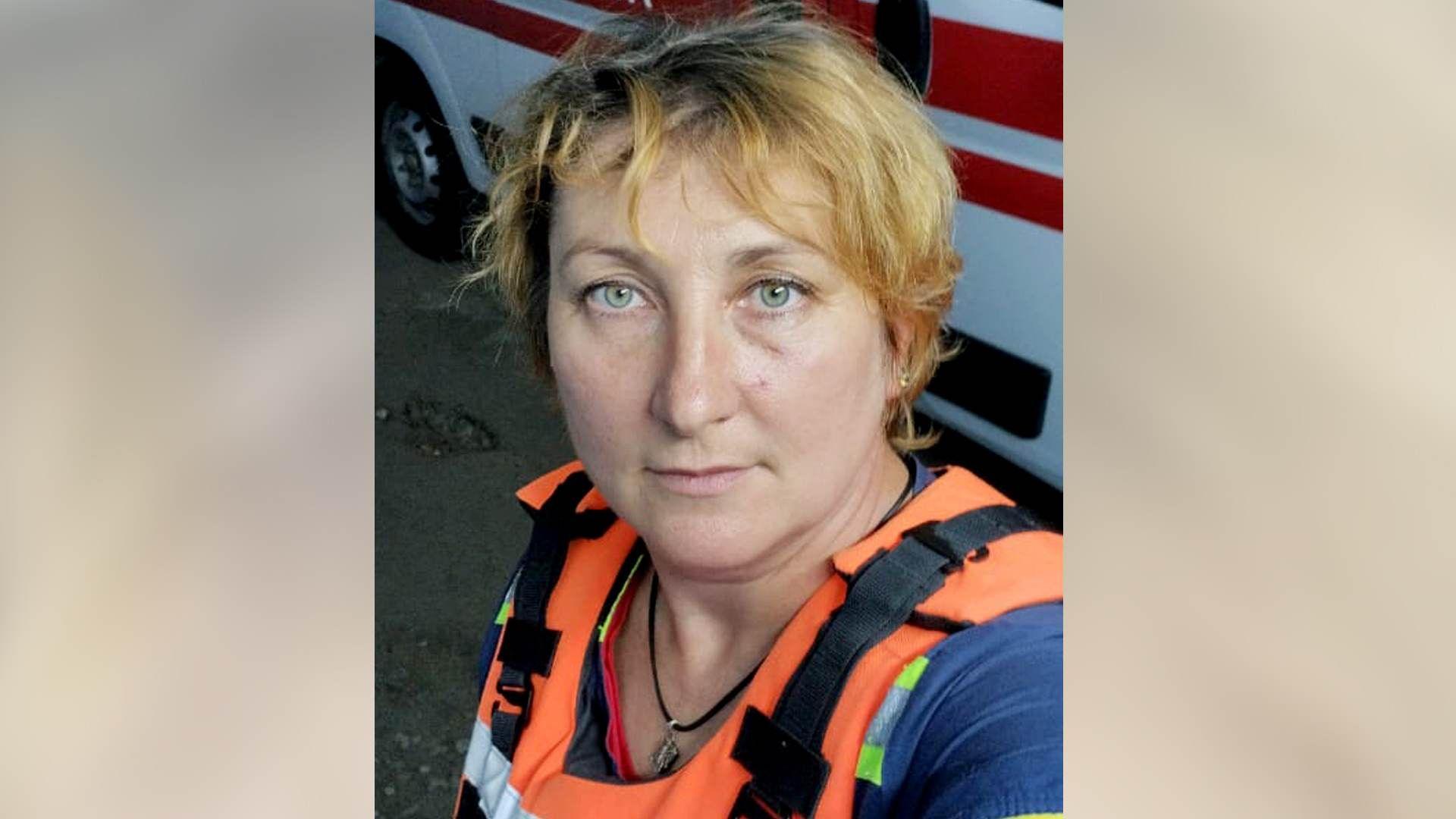
In the small town of Kherson last July, paramedic Inna Lytvynenko was chasing a Russian FPV drone that had smashed into her ambulance after a woman was injured in a drone strike. “I panicked. I grabbed my trauma bag and started running,” she said. “I knew that if I stopped, I would die.”
After fifteen minutes the drone flew away, but not before hitting two more vehicles that had come to take the injured woman to hospital. A third police car finally managed to extract her, yet the attack left the ambulance in flames and the crew badly shaken.
The pattern is chillingly regular. According to the World Health Organization, 3,118 attacks on health facilities have been recorded since the invasion began – about two every day. A WHO representative in Ukraine noted that 20% of all attacks hit ambulances, suggesting a deliberate strategy to choke off first‑response services.
“These strikes are a sustained feature of the war rather than an episodic consequence of large‑scale offensives,” said the Secretary of Doctors Without Borders (MSF) in a recent report. The report also documented the escalating use of a “double‑tap” tactic, where a location may be struck twice within a short time span; the second strike is often aimed at those rushing to help victims.
As the ranges of both Russian and Ukrainian drones grow, MSF has had to cease visits to over 80 villages near the front and pause ambulance services in the eastern city of Sloviansk. “We no longer feel protected,” MSF coordinator Robin Meldrum said. The safety net that once allowed mobile clinics to operate up to 5‑8km from the frontline now only covers areas more than 30km away.
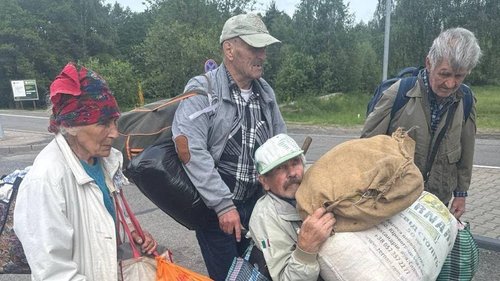
For civilians – many of them elderly with chronic conditions – the consequence is a creeping death. Without reliable access to medication and routine check‑ups, their health deteriorates in the aftermath of air strikes and shelling. The continuous attacks on healthcare infrastructure mean that the wounded and the sick are now more vulnerable than ever.
President Volodymyr Zelensky has called on international partners to put pressure on Moscow to stop these “hunting attacks”, emphasizing the step away from the Geneva Conventions which obligate parties to protect medical facilities and personnel. The global community watches, hoping that the mounting evidence of targeted strikes will prompt a shift in conduct and restore safety for those who give life’s most precious gift – health care.