In brief
Mykhailo Fedorov, former defence minister who reformed Ukraine’s forces, has refused an offer to become deputy prime minister, insisting on his reinstatement. After his dismissal, protests erupted across Ukraine demanding his return. President Zelensky, persuaded by rising tensions, accepted a new commander-in-chief but the battle of wills with Fedorov continues. Critics argue that Fedorov’s innovations, notably the Army of Drones initiative, were crucial to recent victories, while pro‑Syrskyi camps question his necessity. The situation remains tense as civic pressure and government negotiations collide.
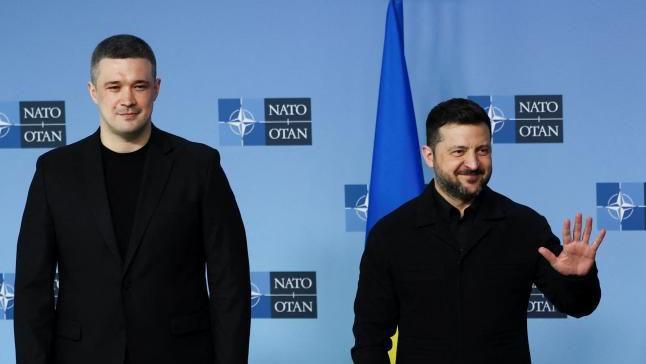
Ukraine’s former defence minister, Mykhailo Fedorov, has refused an alternative government role—including deputy prime minister—stating he seeks only to regain his own portfolio.
During a press briefing, Fedorov reiterated that the president and defence ministry are the sole positions that can decisively shape the war’s outcome, a claim the Kremlin and opposition voice see as narrowing.
Zelensky had offered Fedorov various posts after his removal in late June, but the former minister declined, alleging that no other role would allow him to preserve the momentum he created for the army.
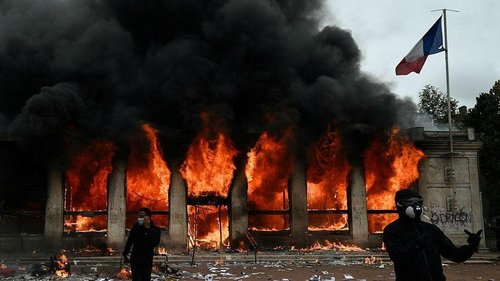
Following Fedorov’s dismissal, Ukrainian citizens staged mass demonstrations across the capital and other cities, calling for his reinstatement. While the new commander‑in‑chief, Mykhailo Drapatyi, has been appointed, the speech of Fedorov suggests the conflict is not yet over.
Fedorov highlighted the innovations he introduced: the Army of Drones initiative, data‑driven military planning, and a vigorous anti‑corruption drive. He claimed these measures helped bring Ukrainian forces to “the initiative” on the battlefield and demanded to be allowed to continue guiding reforms.
Government spokesperson Dmytro Lytvyn confirmed that talks are ongoing, yet the exact terms remain undisclosed. In the meantime, opposition politicians and civil society maintain that Fedorov’s unique skill set is essential for Ukraine’s ongoing struggle against Russian aggression.
In the wider context, the protest movement reflects deeper frustrations with the current leadership’s choices. While some analysts credit earlier commanders for early successes, a growing segment of Ukrainians still views Fedorov’s reforms as pivotal and anticipates a gradual shift in power dynamics.