Danube’s Woes Unveil WWII Soldiers and a Rare Motorcycle
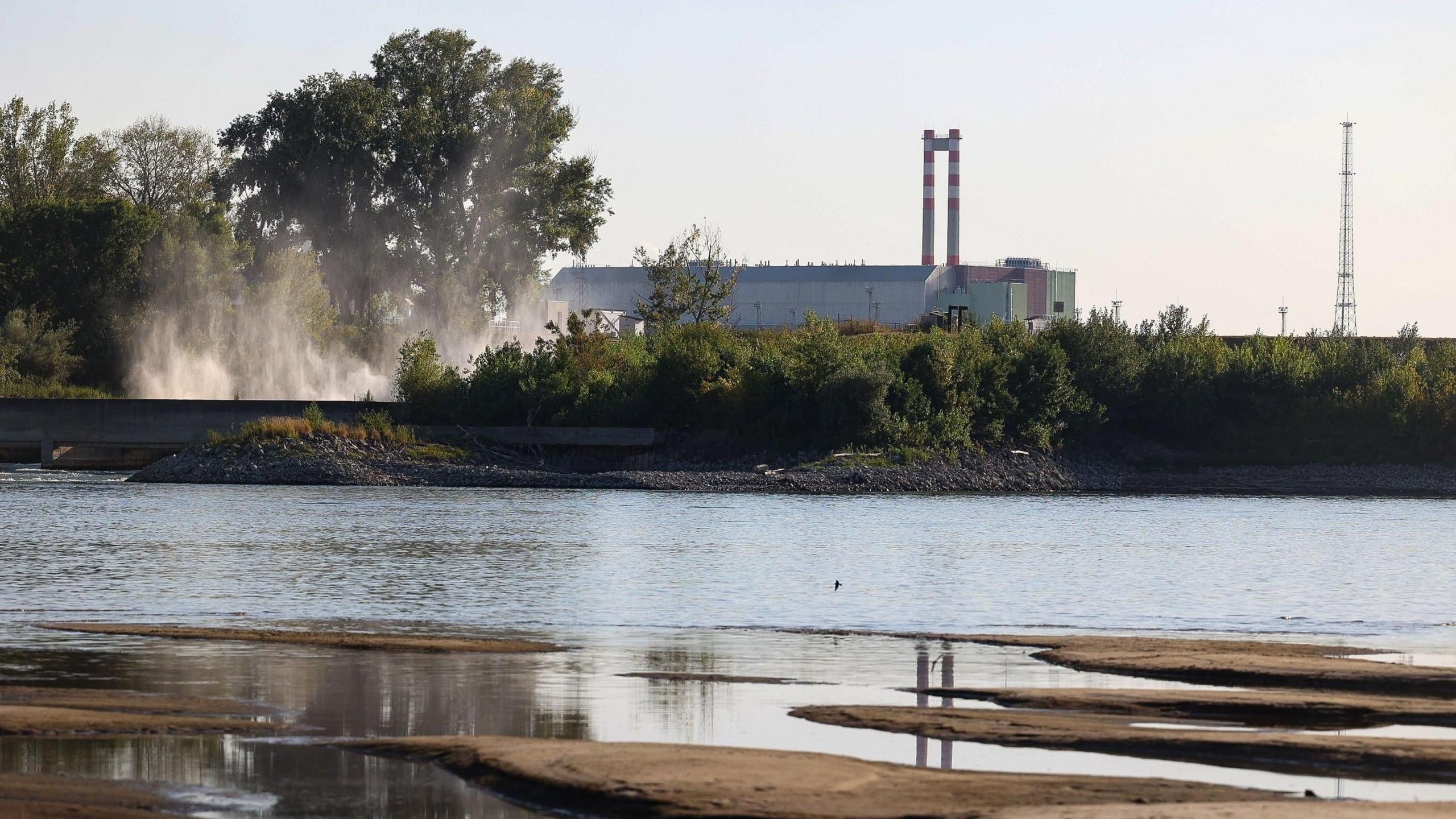
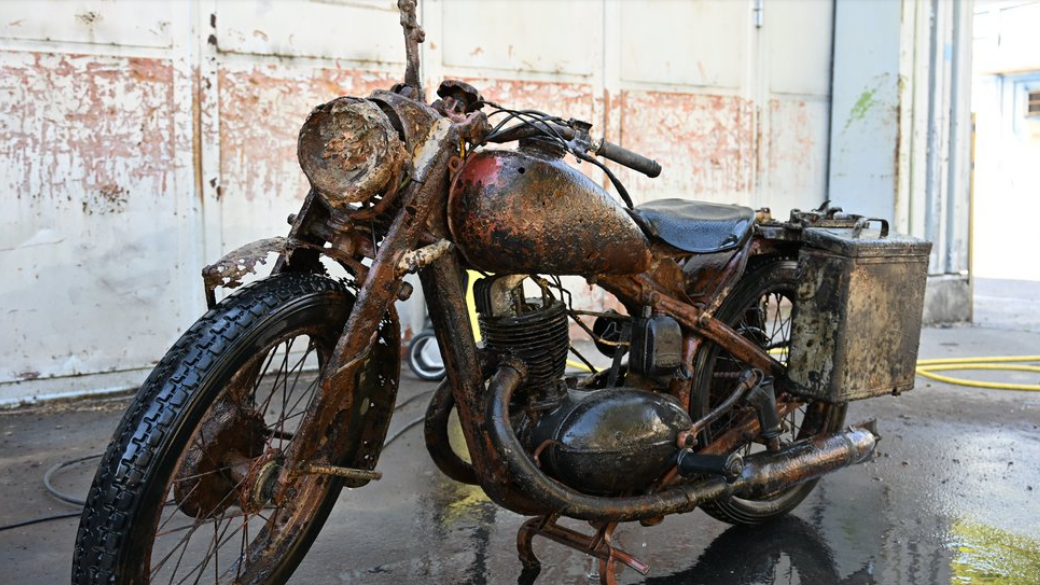
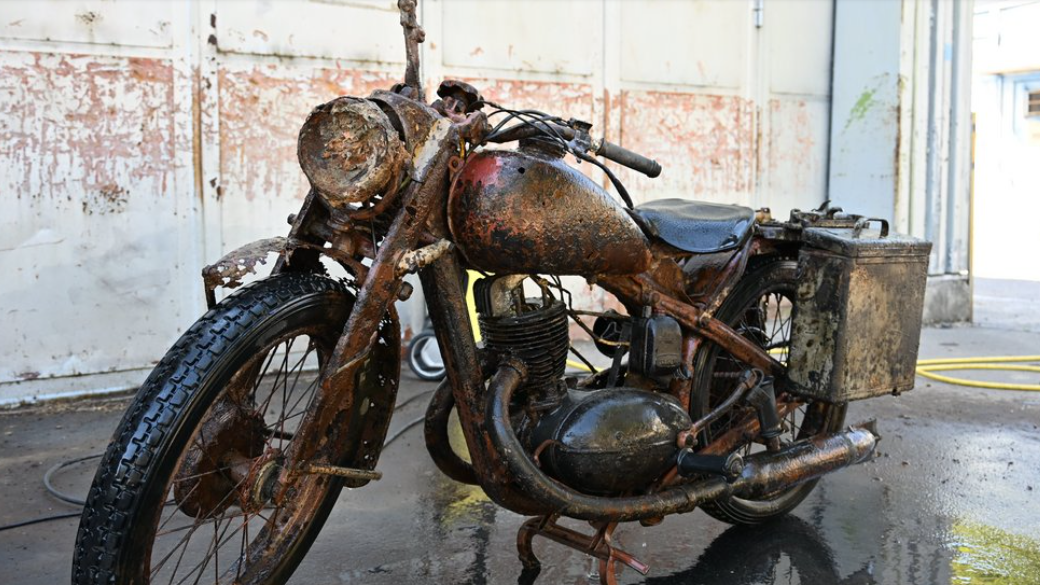
In a dramatic turn of events caused by record‑low water levels, the Danube in Budapest exposed the bodies of two German soldiers who fought in World War II, along with their identification tags, a wedding ring, a Kuban combat badge, and an almost intact Wehrmacht motorcycle.
The German War Graves Commission confirmed the findings and handed over the artefacts to the Hungarian authorities, who have opened a temporary investigation to determine the soldiers’ identities. The identification tags, split during the war as a standard practice, provide a pathway for families who have waited more than 80 years for official confirmation of their relatives’ fates.
The motorcycle is believed to be a DKW NZ 350‑1 model, produced for wartime use from 1944 onward. Along with the motorcycle, anti‑tank mines were also discovered, prompting a brief closure of the riverbank for bomb disposal work.
Families feel the news, describing it as “an honour to finally know where” and “a dignified burial after such a long wait.” The soldiers are slated for burial at the German war cemetery in Budaörs, just outside Budapest.
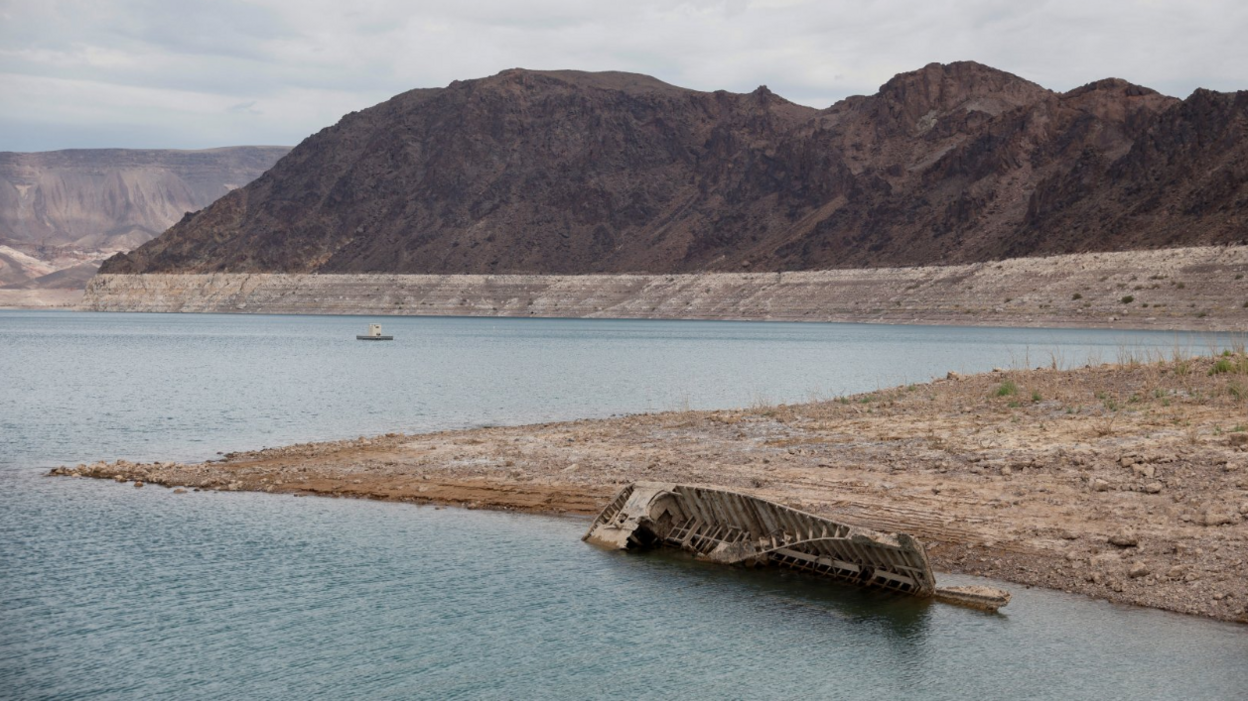
Historic artefacts from World War II have increasingly surfaced in the Danube, a trend that has been intensified by the current drought, with other finds including a broken‑up ship hull near Prahovo in Serbia.