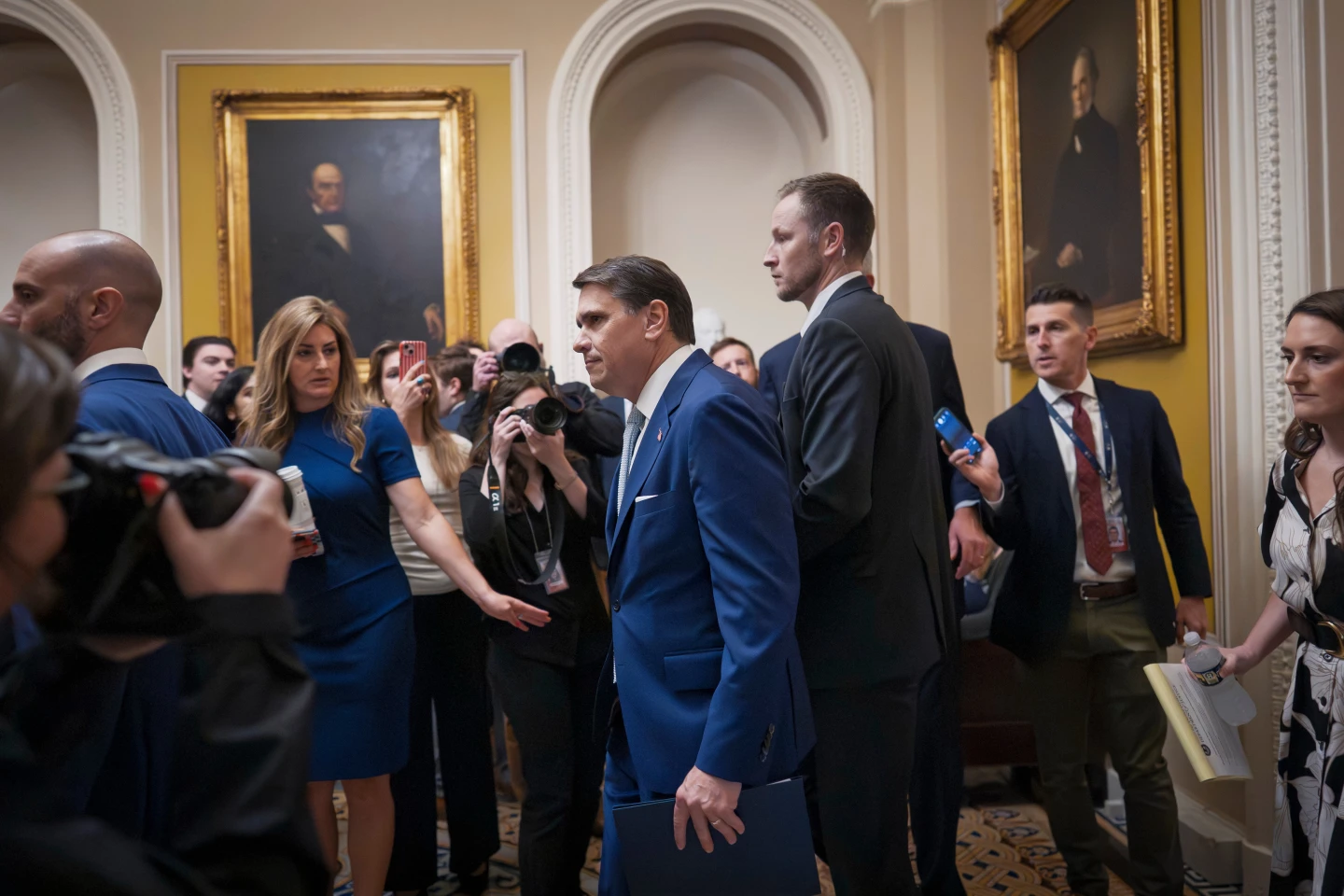
WASHINGTON (AP) — As the funding lapse for the Department of Homeland Security (DHS) stretches into another week, Congress is contemplating a Senate plan that would fund most of the agency while excluding key immigration enforcement operations. The standoff has now reached its 48th day, with no resolutions emerging from a brief pro forma session held by both chambers.
Under the proposed plan, congressional leaders have aligned with President Donald Trump to fully fund DHS in a two-step strategy. Despite facing previous divisions, both Speaker Mike Johnson and Senate Majority Leader John Thune seem to agree on moving forward with this proposal, putting a focus on bipartisan efforts to break the legislative stalemate.
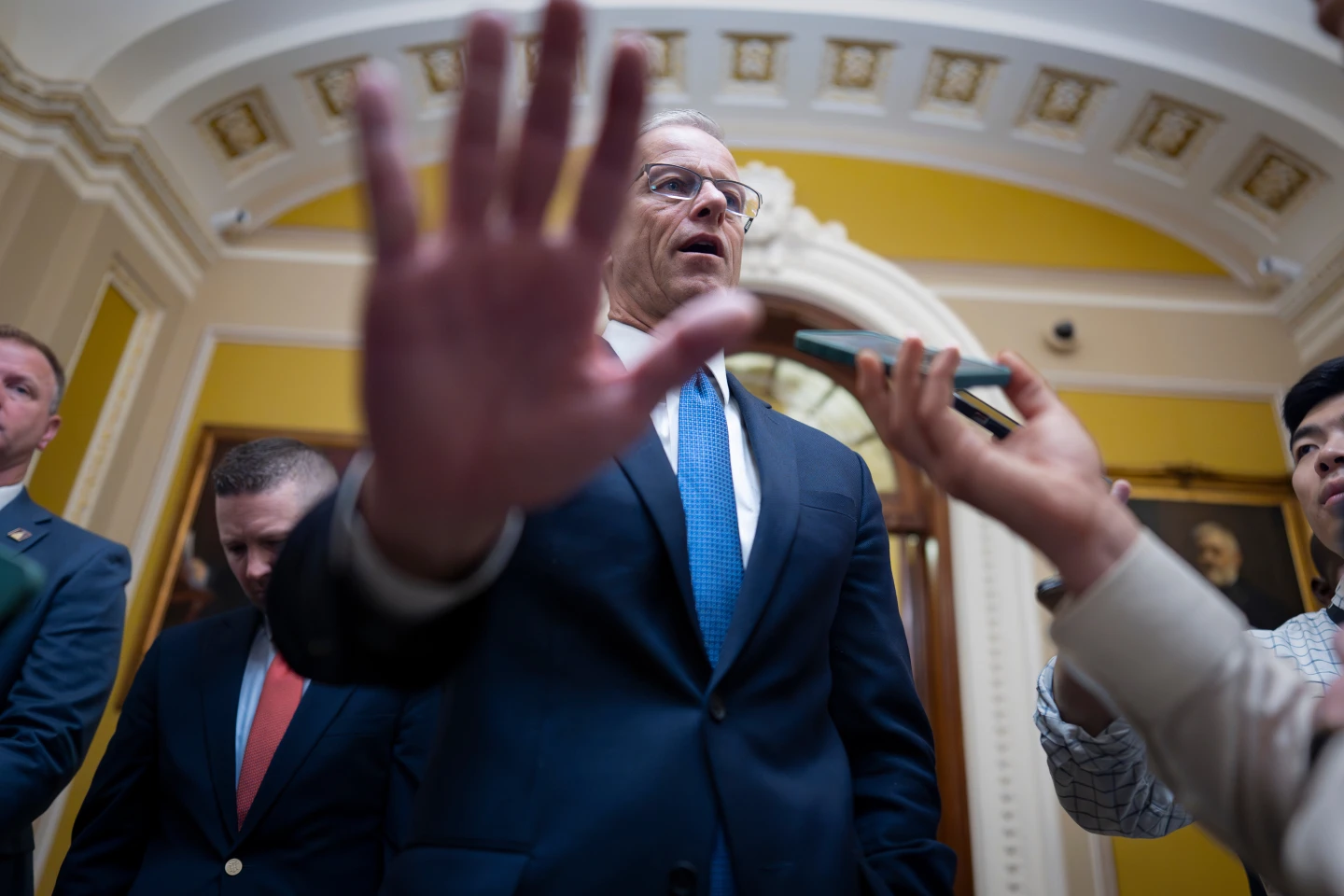
“At some point, hopefully, they’ll move it,” Thune expressed to reporters, indicating a sense of cautious optimism for potential progression on the funding bill.
Discussions among House Republicans are expected to continue, with some indicating a need for a conference call later in the day to strategize on the next steps. The urgency is evident as thousands of DHS employees have been working without pay, causing considerable stress within the agency.
Challenges remain as conservative lawmakers are likely to push for full funding of all immigration enforcement operations, complicating the bipartisan agreement aimed at providing immediate financial relief. Representative Scott Perry voiced sentiments reflected by others in the party, stating any plan that does not fund U.S. Customs and Border Protection (CBP) and Immigration and Customs Enforcement (ICE) would be unacceptable.
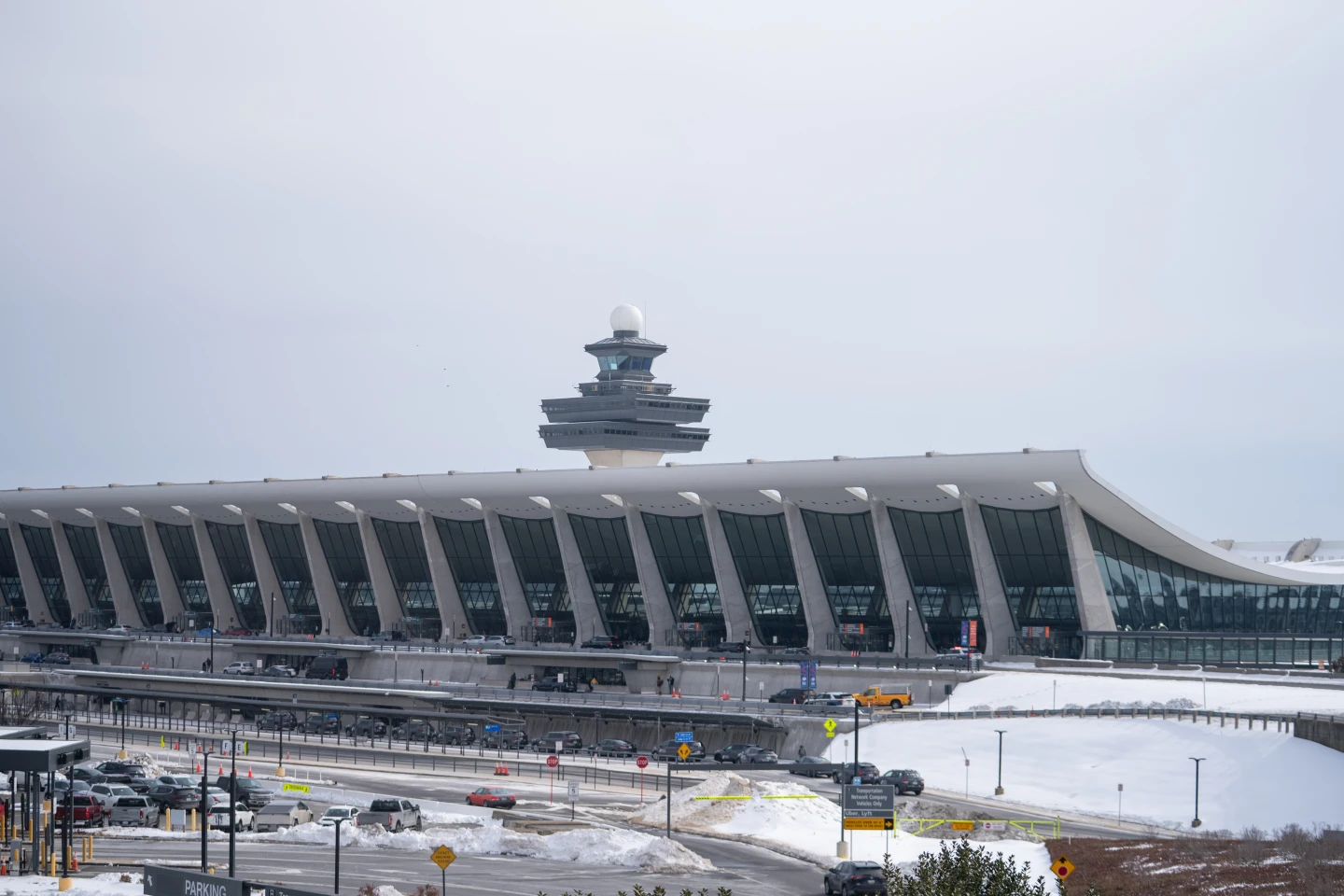
As the DHS funding proposal evolves, the Biden administration faces increasing pressure to take decisive actions that will not only affect funding but could also dictate the functioning of essential security operations across the nation. Meanwhile, disruptive delays in air travel security continue as staffing shortages hit airports, highlighting the urgency of resolving the funding issue.
Senator Chuck Schumer criticized the Republican faction, suggesting that the inaction on resolving the funding crisis has adversely affected American families.
Both major parties aim to navigate through this legislative impasse, but as the deadline looms, the situation remains fluid and precarious for DHS operations.