In brief
Colombia’s new law now makes female genital mutilation (FGM) illegal, marking a historic shift in a region where the practice has long gone clandestine. The legislation followed months of advocacy from Indigenous communities, most notably the Emberá, and survivor testimony such as Carla Quiñonez’s baby, who survived a brutal mutilation. Medical experts highlight lifelong health risks of FGM, while activists warn that education and cultural dialogue are essential to eradicate the practice. Though the law signals progress, reports of threats against women pushing for change show that real transformation will need both legal enforcement and community support.
The first country in Latin America to outlaw female genital mutilation (FGM) is Colombia, following a unanimous vote in its Congress last week. The new law represents a milestone for Indigenous activists, who have fought long and quietly against the practice that remains hidden in some rural communities.
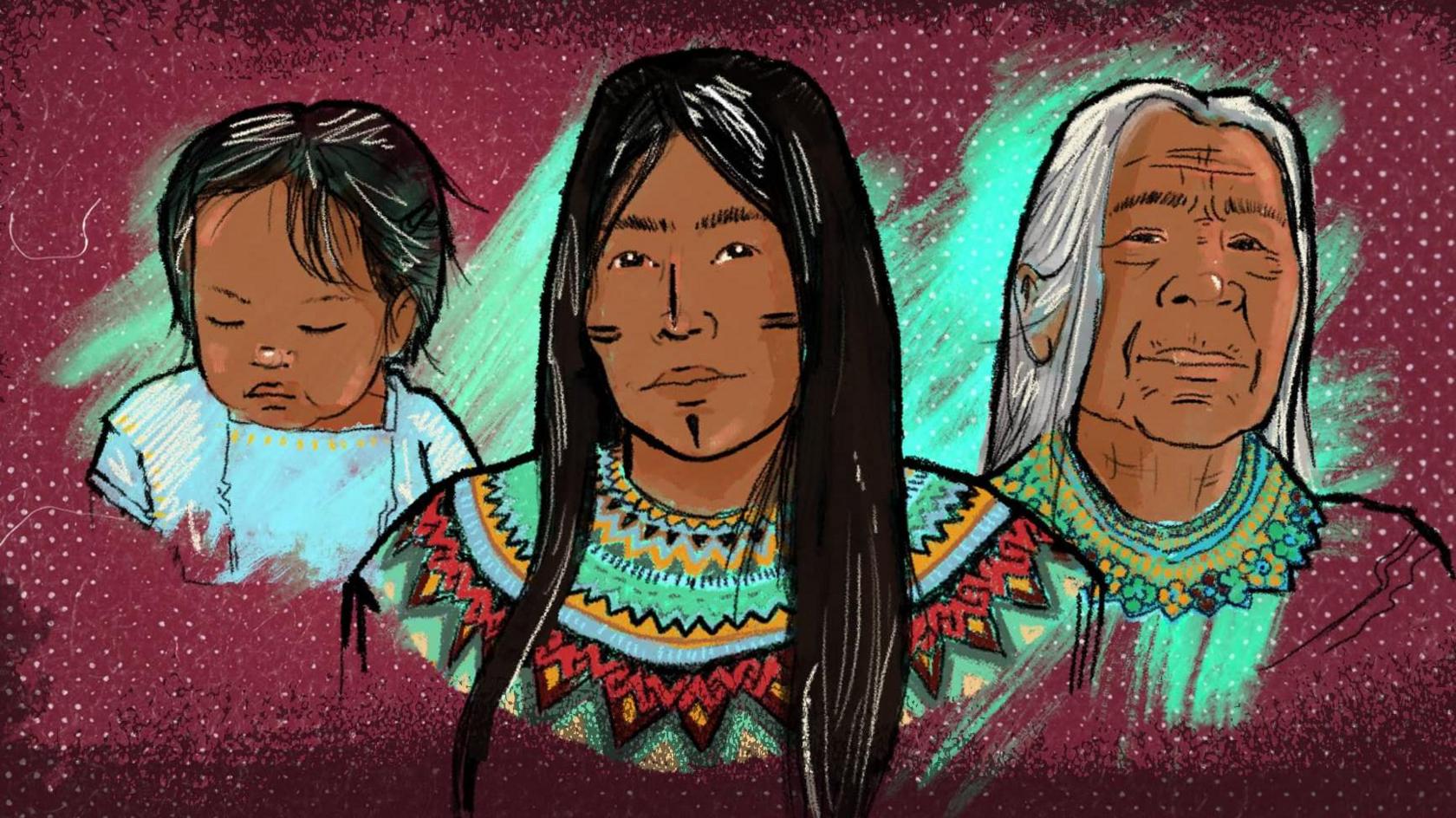
Carla Quiñonez, a 30‑year‑old mother from the Emberá tribe, shares one of the many stories that spurred the bill. When her six‑month‑old daughter was brought back from a traditional ceremony, she was feverish, swollen and bleeding. After the grandmother went back to the house, the baby was left looking pale and in pain. "I confronted my grandmother, but she said it was normal and that I could not tell anyone," Carla explains. Her mother, a midwife, tried to alleviate the pain with medicinal plants, but the grandmother refused to listen, insisting that women who have a clear clitoris would be seen as promiscuous. These personal accounts expose the harsh reality that FGM continues to be a secretive but real danger for girls in Colombia.
Beyond the heartbreaking anecdote, medical experts weigh in. Paediatrician Diana Ramos Mosquera reports that out of 240 recorded FGM cases in Colombia between 2020 and June 2026, most girls were younger than six – and many of those cases are likely only the surface. “FGM is a form of sexual and gender‑based violence that can lead to lifelong complications: infections, hemorrhaging, infertility, and loss of sexual pleasure,” she says. She stresses that the law alone will not erase the practice; education is key.
In the Emberá, a large Indigenous nation of around 300,000 people, FGM has inexplicably persisted in contrast to the rest of Latin America. Some experts trace its roots to historic contacts with African slaves, while others point to cultural myths that a visible clitoris could transform into a penis if not cut. In any case, the community’s representative, Juliana Domico, rejects the argument that the practice is part of their culture. "Culture does not kill," she states. "Our culture is made of clothing, crafts, dances and language, not a practice that kills."
The new legislation, according to Domico, will only be effective when coupled with proper public policy, resources, and education. Yet activists warn that frontal conversations with men can be difficult. Women often speak an Indigenous language, not Spanish, which limits direct dialogue with authorities and health workers. Consequently, Carla reports intimidation from health staff—nurses calling it a “savage” act and threatening child‑welfare intervention. Because of that fear, she now treats her children at home with medicinal remedies and never leaves their side again.
Hope is not lost. Recent reports indicate that conversations are beginning inside families. Carla recalls one grandmother who reflected, "I never acted out of malice; I only wanted to protect my granddaughter from male criticism." This realization shows that change can arrive even in deeply held traditions, but it is painful and requires ongoing dialogue. “All of us deserve to understand our bodies and discuss them without shame,” Carla says.
If you have been affected by FGM, support is available via the BBC Action Line and other local resources.