In brief
As Typhoon Noul floods China, officials worry that AI‑generated videos could jeopardise rescue efforts and public safety. Reports of false flood images, exaggerated animal intrusions, and emergency claims are spreading. Police have cracked down on creators, imposing fines and prison terms. Experts warn that AI’s speed outpaces detection tech, urging pre‑emptive safeguards and stricter platform accountability.
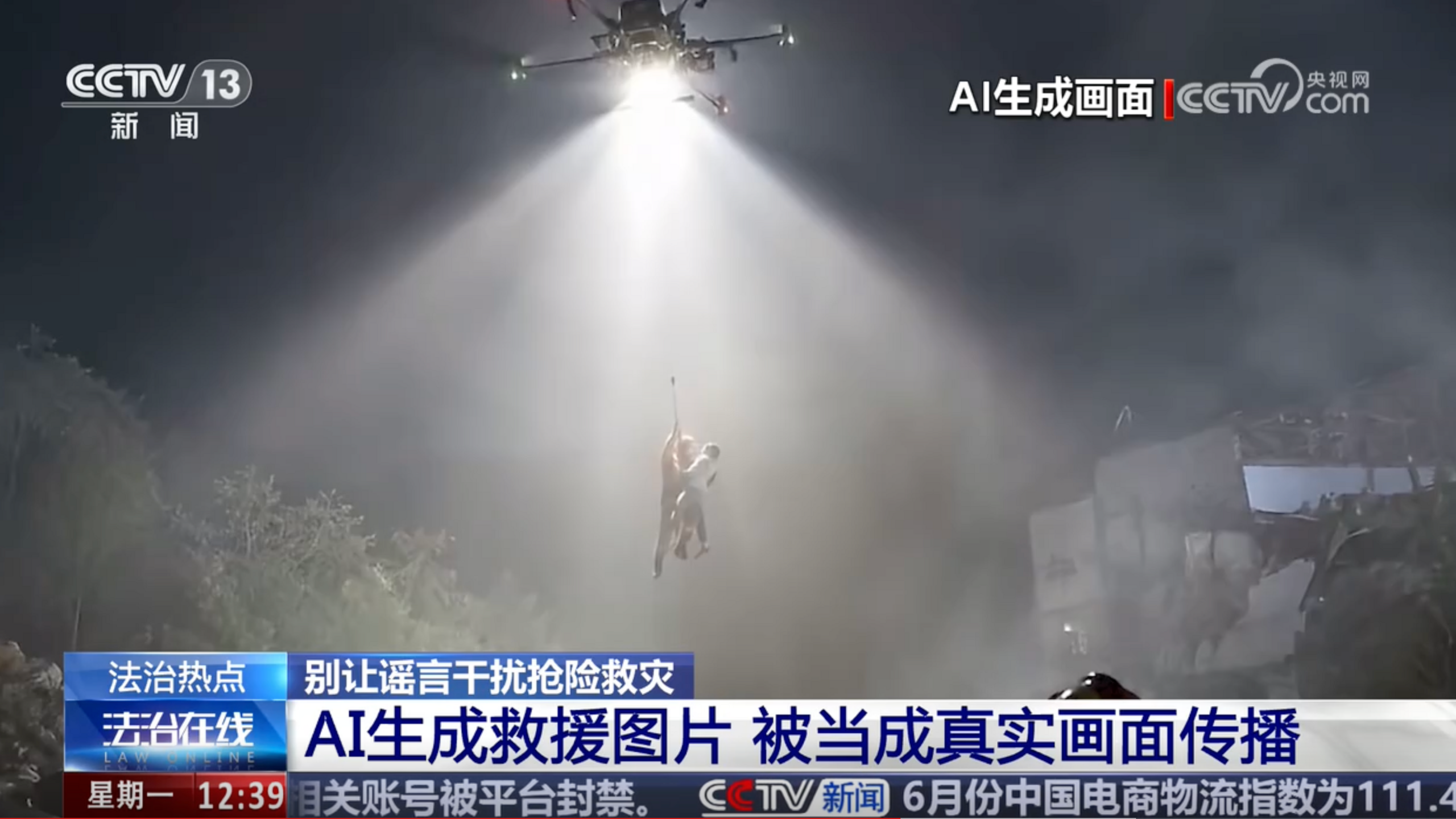
While Typhoon Noul ravages the coast, Beijing’s cyber‑police race to stop a new threat: AI‑generated videos that colour real disasters with falsehoods. The flood‑filled streets of Nanning, Hengzhou and other coastal towns have become canvases for doctored footage that shows dead bodies, shrimp‑like animals flooding streets and relief crews prioritising pigs over people.
Chinese authorities have begun arresting and fining people who mash up footage that exaggerates damage or spreads panic. Police describe the trend as a breach of public safety and a new frontier of cybercrime that “takes advantage of the speed and realism of AI”.
Experts say the barrier to creating convincing fakes has been lowered: a few keystrokes and a modern AI software can produce videos that are 99 percent believable. Some ethicists argue that the injury comes when those content‑makers go untraced and users act on them in real time.
Already, a nationwide campaign targets misinformation by social media sites and short‑video platforms. Officials demand that AI‑generated content carry a visible stamp, and that platforms tighten review processes. The punishment for creators ranges from a fine to seven years' imprisonment when the fake content triggers serious consequences.
While China invests billions into AI, the country faces growing distrust in official reporting after past incidents of intentional under‑reporting. Legislators warn that “AI misinformation evolves faster than legal frameworks”, stressing that the answers lie in education, public awareness, and robust legal remedies.