In brief
Bozeman’s dramatic population surge, spurred by post‑pandemic growth and a celebrity‑driven influx, has turned the once quiet Montana town into a magnet for private jet travel. Luxury developers now fill the valley, driving housing and rental prices to levels many locals cannot afford. In response, a coalition of residents in local trailer parks and young political leaders have mobilised for rent strikes and policy change, demanding a more inclusive future for the town’s working class. The city’s new mayor, the youngest ever, cites the housing crisis as a core reason for his electoral victory.
Private jets flock to Montana – but locals can’t afford the trailer park
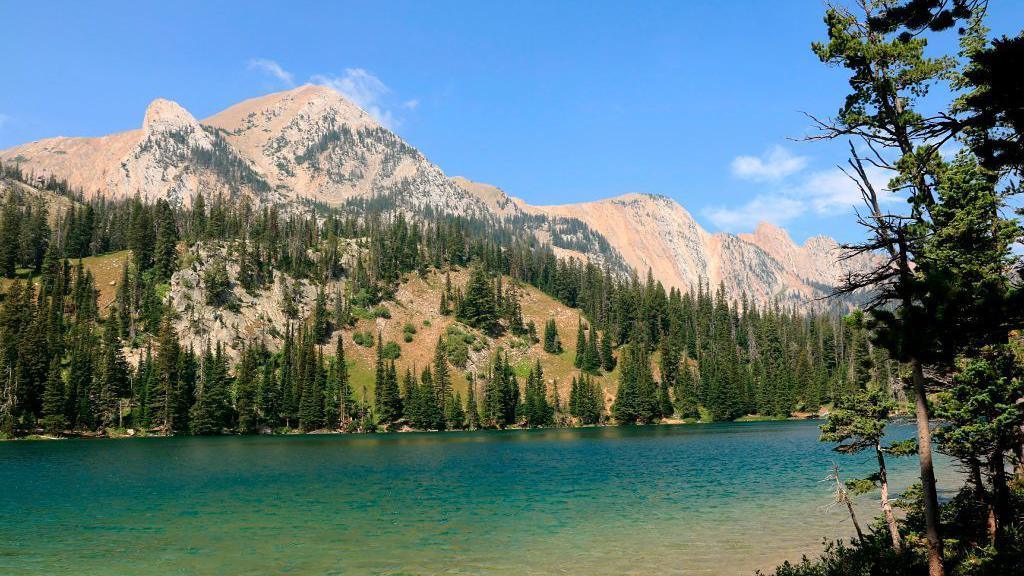
Grandmother Sara Folger sits in the kitchen of her single‑wide trailer, the Rocky Mountains looming nearby. She recalls the Bozeman she loved in earlier decades, when the area was filled with hippies, cowboys, and student dreamers. Today it is dominated by digging crews, construction cones, and out‑of‑state licence plates.
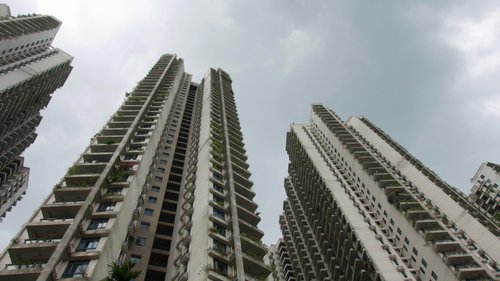
Since COVID‑19 the town’s population exploded by about 20%, a dramatic increase for a community that had fewer than 50,000 residents in 2019. Montana’s lack of sales, luxury and inheritance taxes magnetised conservatives nationwide, creating a real‑estate boom, and private jets filled the airport’s tarmac daily, linking Bozeman to the Yellowstone Club and other ultra‑wealthy destinations.
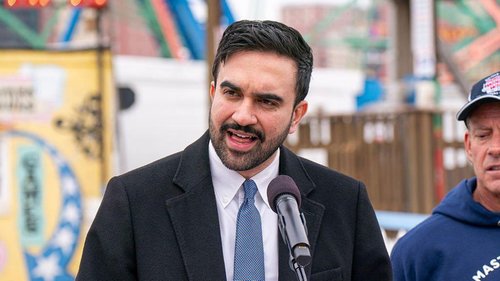
Housing prices shot up: one‑bedroom rentals reached $2,000+ a month, far beyond many locals’ $333‑per‑room start in 2019. The municipal government, now led by three‑million‑$‑wide owners, responded in part by electing Mayor Joey Morrison, a 30‑year‑old who once lived on a single‑room lease, to represent the working‑class in City Hall.
The city’s economic shift has also battered the only affordable housing resource: the Mountain Meadows mobile home park. The park’s licence rent nearly doubled over 17 years; a recent $100 monthly hike triggered the first rent strike in 50 years. Residents, who stake their ownership in a single mobile home, face uncertain futures as the park’s managers, now a California‑based company, shuffle zoning and ownership.
The struggle has ignited a young political wave. Local activist Katie Fire Thunder, a 25‑year‑old state representative, champions affordable housing and youth‑led reform, while other candidates like Sam Forstag secure support on the democratic front by proposing tax reforms that benefit median‑income citizens.
The soaring jet traffic, rapidly developing real‑estate, and rising rents have placed the Bozeman community at a crossroads: either continue to billow in wealth and marginalize local workers or rally for a new inclusive policy that can keep the valley’s diversity alive. Residents and policymakers now face a decisive showdown, with the broader region’s economic fate hanging in the balance.