In brief
Iran's president has confirmed the assassination of intelligence minister Esmail Khatib in an Israeli airstrike, describing it as a 'cowardly assassination.' This follows a string of targeted strikes against Iranian officials, further escalating tensions in the region. The recent wave of attacks adds to the ongoing conflict, increasing fears over instability in Iran and its potential repercussions in the Middle East.
Esmail Khatib Killed in Air Strike
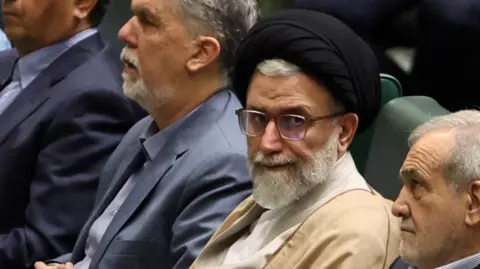
Iran's intelligence minister Esmail Khatib has been killed, the country's president has confirmed.
Masoud Pezeshkian said the 'cowardly assassination' had left Iran 'in deep mourning', after Israel claimed responsibility for Khatib's death following an air strike on Tehran.
This event comes one day after Israel announced the deaths of other key Iranian officials, including Ali Larijani and Gholamreza Soleimani, through similar military actions.
Since the assassination of Supreme Leader Ayatollah Ali Khamenei on 28 February, there has been an alarming increase in targeted attacks aimed at weakening Iran's leadership.
Pezeshkian expressed condolences to the Iranian people, stating that the fallen officials' path will continue 'more steadfastly than before'.
Public sentiment appears mixed, with some feeling that Khatib's death could potentially decrease the risk of harm during protests against governmental actions.
Israel's defense minister confirmed Khatib's elimination was authorized by Prime Minister Benjamin Netanyahu, reflecting Israel's ongoing strategy against Iranian leadership.
The situation remains tense, as retaliatory strikes from Iran have been reported, resulting in casualties across the region. The unfolding crisis could have significant implications not only for Iranian citizens but for international relations and global oil markets.