In brief
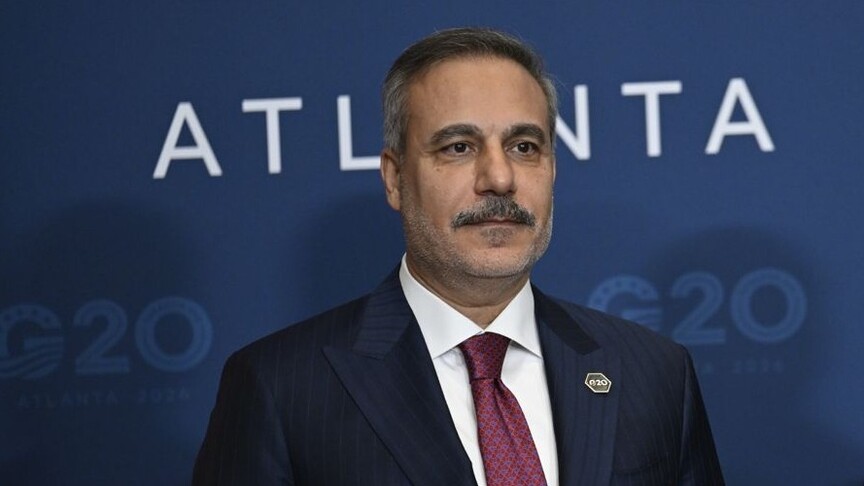
At a two‑day G20 foreign‑ministers’ meeting in Atlanta, Turkey’s Hakan Fidan lauded Ankara’s active role in proposing solutions to energy and supply‑chain crises. He urged continued dialogue with Russia and Ukraine to address Black Sea disruptions. The meeting, hosted by U.S. Secretary of State Marco Rubio, set the stage for the upcoming G20 leaders’ summit in Miami.
On Saturday, 1 November 2026, the G20 foreign‑ministers’ meeting unfolded in Atlanta, where ministers from twenty‑two major economies gathered to coordinate responses to a string of global crises. Turkish Foreign Minister Hakan Fidan stepped onto the sidelines of the event to speak to Anadolu and Turkey’s public broadcaster, commending Ankara’s efforts to bring practical proposals to the table.
Fidan underscored that the Turkish delegation had advanced concrete suggestions aimed at easing energy shortages and mitigating supply‑chain bottlenecks that have rattled international markets. According to the Turkish minister, Ankara’s contributions reflected a policy of constructive engagement rather than confrontation.
The two‑day meeting, which was hosted by U.S. Secretary of State Marco Rubio, organized ministers into three main sessions. These focused on global crises, energy security, and disruptions to supply chains—areas where the G20 has repeatedly called for multilateral action. Fidan noted that each session broadened the conversation around shared challenges and potential synergies among member states.
One of the starchallenges highlighted by Turkish officials involved bottlenecks in the Black Sea, Gulf, and Red Sea. Fidan warned that interruptions in these critical maritime corridors “seriously affect global trade and supply networks,” calling for coordinated solutions to keep waterways open and efficient.
Fidan quoted his own assessment of the situation:
Global supply chains have been severely disrupted. Discussions have taken place over how we might remedy or resolve these issues, and what the international community should do in this regard.The minister added that such dialogue must involve all stakeholders, especially those whose actions directly impact maritime traffic.
While acknowledging the complexity of negotiations involving Russia and countries supporting Ukraine, Fidan stressed the importance of an open forum. He explained that addressing the Black Sea situation and the energy consequences of the Russia‑Ukraine war requires frank conversation, stating that “discussions are necessary to allow countries to clearly communicate their positions and explore potential solutions.”
The Turkish minister further articulated a broader diplomatic vision:
Türkiye certainly attaches importance not only to our role as a mediator but also—and more importantly—to taking a stance that is distinct from that of other countries: a stance that is more constructive and collaborative.This emphasis on distinctiveness seeks to portray Ankara as a problem‑solver rather than a partisan actor.
As the two‑day gathering wrapped up, participants reiterated their readiness to bring the outcomes to the forthcoming G20 leaders’ summit set for December in Miami. The meeting in Atlanta served as a preparatory platform, reinforcing the need for sustained cooperation and policy alignment among the world’s major economies.