Anthony Fauci Declines to Testify, Invokes Fifth Amendment in Covid Origin Hearing
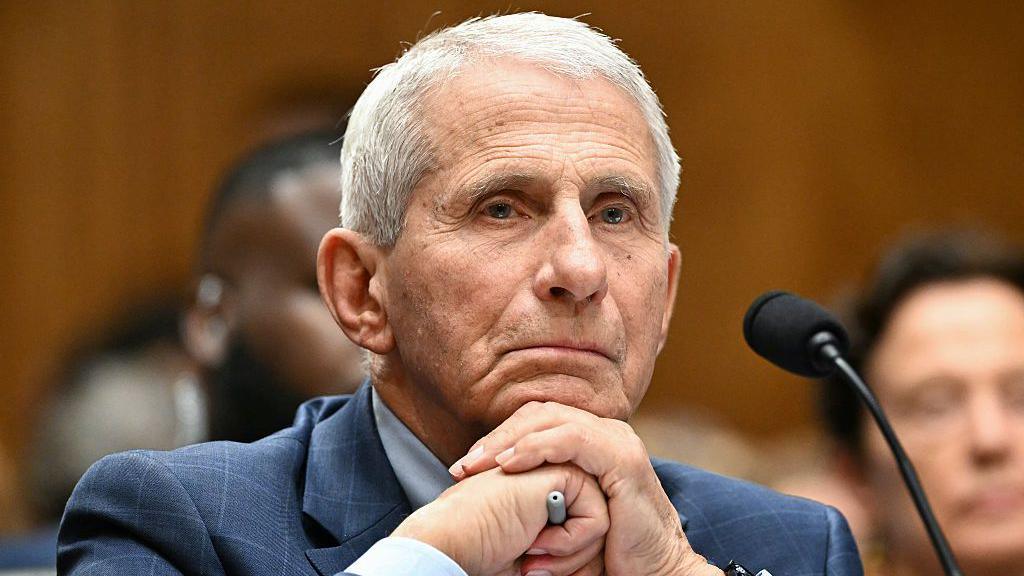
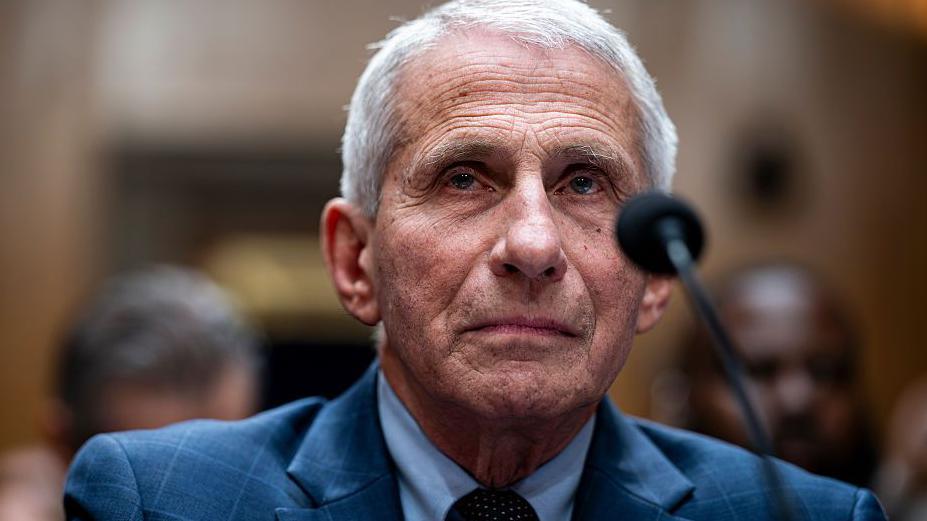
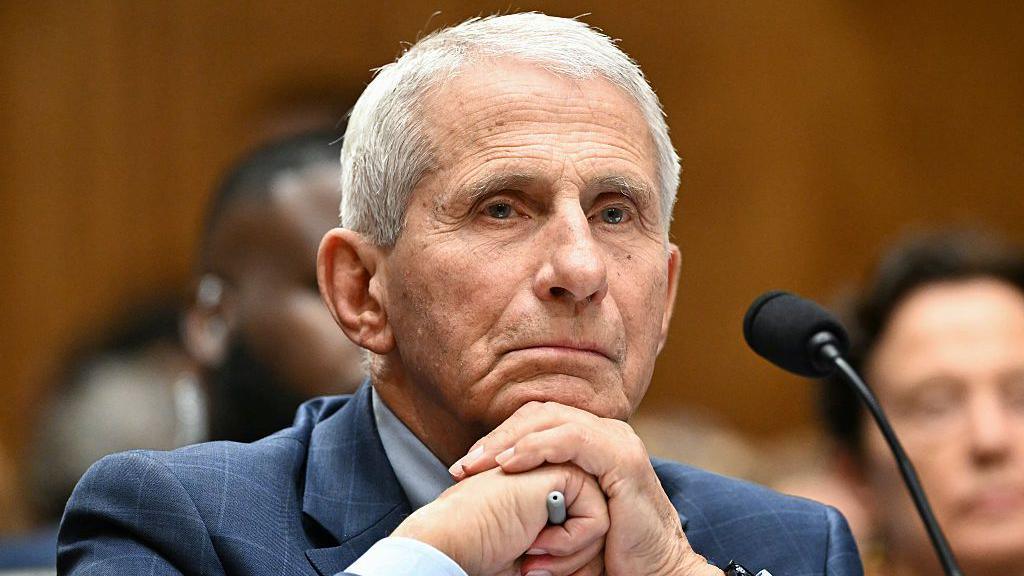
The former head of the National Institute of Allergy and Infectious Diseases, Anthony Fauci, refused to answer questions posed by U.S. Senators during a hearing about the origins of the COVID‑19 pandemic, citing the possibility that Republican lawmakers could later use the testimony to prosecute him for perjury.
At the outset of the session, Senator Rand Paul—who had recently made available more than 1,000 pages of Fauci’s pandemic‑era writings—challenged the former health official. Paul claimed that Fauci’s private diary entries suggested that Fauci had privately entertained a lab‑leak theory while publicly insisting the virus emerged naturally.
Fauci, who has testified before Congress under oath on several occasions, invoked his constitutional right to the Fifth Amendment, stating: I will invoke my right under the Fifth Amendment of the constitution to refrain from answering your questions. He added that he feared the questions could be used to entangle him in a prosecution.
The hearing drew sharply divided responses. Republicans, including Senator Josh Hawley, accused Fauci of contempt for Congress, while Democrats such as Senator Maggie Hassan condemned the hearing as a “trap” designed to humiliate the former official.
Fauci’s diary entries, released years later, show his early openness to both natural and lab‑leak origins before seemingly leaning toward a natural spillover. The debate over Fauci’s statements reflects the broader U.S. discourse about the pandemic’s beginnings.
The event underscored the continued partisan battles over the pandemic response, with Fauci’s refusal to testify keeping the chamber’s inquiry in the spotlight. Critics argue that such proceedings only deepen the controversy surrounding who is responsible for the COVID‑19 crisis.