In brief
A nine‑member team from Purdue University has returned to the remote Pacific atoll of Nikumaroro to investigate the famed ‘Taraia Object’, which some believe could be the wreck of Amelia Earhart’s Lockheed Electra. Severe weather halted operations for three days, but the crew can now land on the island and launch a three‑phase underwater survey. While the expedition extends its stay in hopes of finding definitive evidence, skeptics question whether the object is a broken aircraft or simply a fallen tree, and rumours of a nearby SS Norwich City wreck add complexity to the search.
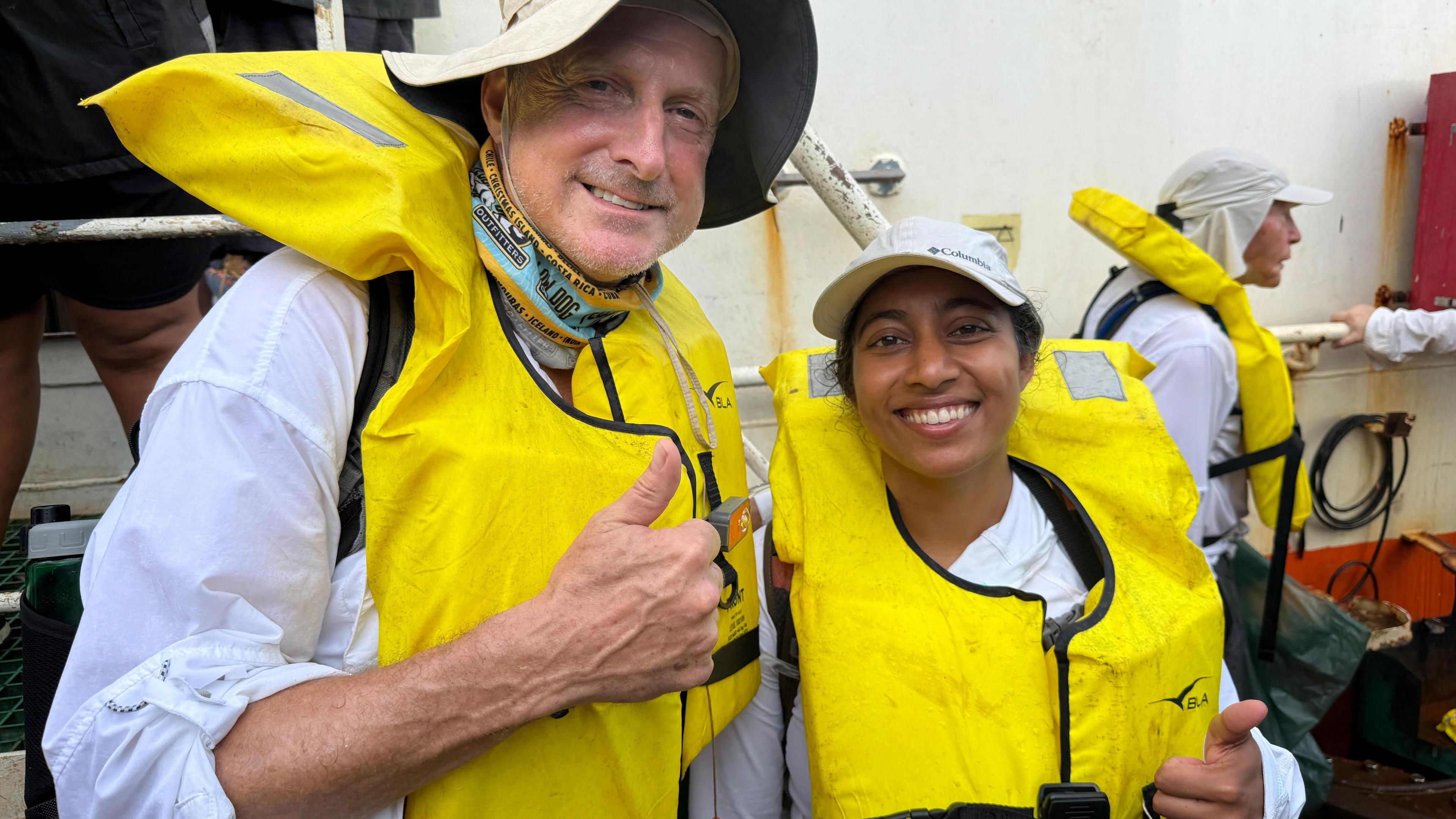
A research expedition, led by Purdue University, has resumed its mission to uncover the fate of Amelia Earhart after severe weather kept the crew on their vessel for three days. The team is now well‑positioned to land on the uninhabited atoll of Nikumaroro and embark on a detailed underwater survey of a mysterious object seen in aerial photographs.
Nikumaroro, part of Kiribati in the central Pacific, has long been a focus for investigators seeking the disappeared aviator. The "Taraia Object"—a three‑metre‑high shape floating in the lagoon in satellite images—has sparked speculation that it is the wreckage of Earhart’s Lockheed Electra. Researchers are now conducting a three‑phase dive: identifying the object’s depth, probing the materials, and dredging sediment for clues.
"We are finally getting off the ship and able to land on Nikumaroro," said technology specialist Sirisha Bandla in a video update from the deck of the research vessel Marin Mainiku. "The crew’s really excited."
Earhart’s disappearance in July 1937 while attempting a global circumnavigation left many unanswered questions. After flying from California to Papua New Guinea, her plane vanished near the remote Howland Island, with the official theory that she crashed somewhere in the Pacific. Some researchers propose that she may have landed on Nikumaroro and survived as a castaway, a theory that the Taraia Object could support if it proves to be a plane hull.
Purdue and the Archaeological Legacy Institute have highlighted historical wrecks on the atoll, most notably the 1929 wreck of the SS Norwich City, to underscore the hazardous nature of the island’s reefs. Wind gusts exceeding 27 knots had previously kept the research boat at bay. The latest calm allows the team to approach the lagoon through a narrow reef opening that British workers created in 1963.
Skeptics, however, caution that the Taraia Object could simply be a tree fallen into the lagoon. Prior attempts to locate Earhart’s plane, including a 2024 sonar survey near Howland Island and a 2019 dive investigating photo‑parallels, concluded with rock formations and no aircraft remains.
The expedition’s delay has extended its stay, with plans to continue searching as soon as weather permits. ALI director Rick Pettigrew emphasised the global attention this search has attracted and promised rapid disclosure of any findings. Purdue researchers initially estimated that they could identify the Taraia Object in days, but the stormy pause has necessitated a longer fieldwork schedule.
As the world watches, the hunt for Amelia Earhart continues to capture the imagination, blending advanced underwater technology with centuries‑old mysteries. The next few days will determine whether the Taraia Object can finally unlock the story of a pioneering aviator who vanished over the Pacific in 1937.