In brief
In a decisive vote that reached the polls on Monday, Alberta residents rejected a move toward separation, with 70% voting to stay in Canada. Prime Minister Mark Carney hailed the result as a triumph for national unity, while Premier Danielle Smith acknowledged the mandate for a stronger, united Alberta. Separatist leaders like Jeffrey Rath vowed to continue their push, but initial footings lie in collaborative federalism. The outcome, amid discussions on immigration and constitutional reform, signals a new chapter for Alberta’s political landscape.
People in Alberta have voted overwhelmingly to stay in Canada, rejecting a proposal to pursue separation through a binding referendum.
With most votes counted, more than two‑thirds of voters in the province chose to remain part of the country rather than pushing for independence, according to Elections Alberta.
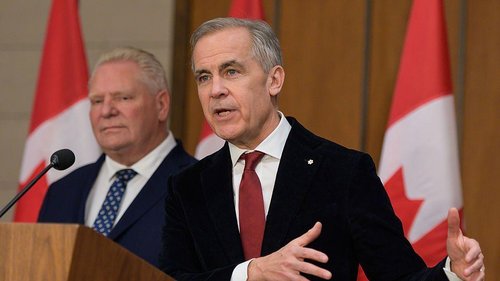
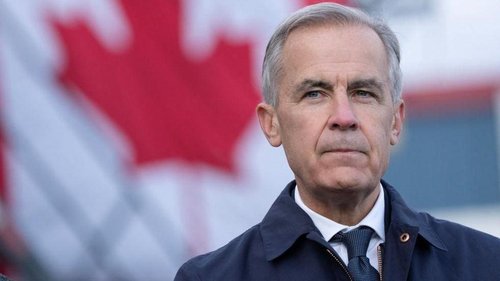
Prime Minister Mark Carney said on Tuesday that "it’s a great result for Canada" and he is "thrilled that Albertans have chosen unity".
The vote was called earlier this year by the province’s leader, Danielle Smith, in response to a public petition. Smith herself opposed the separatist push but said the public will for a vote was undeniable. She welcomed the initial results, commenting: "Albertans have voted for a stronger Alberta in a united Canada."
Smith said she would address Albertans later that Tuesday on the path forward for the province.
In making the case for independence from Canada, many of the separatists said the oil‑rich province’s economic growth had been stifled by the environmental policies of Ottawa’s central government.
Those opposed to a breakup, including Carney, called for Canada to present a united front in the face of external pressures, such as an ongoing trade war with the United States.
Speaking to reporters as he walked into a Cabinet meeting in Ottawa, Carney said he had spoken to Smith that morning and discussed "moving forward in the spirit of cooperative federalism, including on issues of immigration, other common priorities".
Meanwhile, at a pro‑separatist watch party in Edmonton, the mood shifted dramatically when projected results were released. The crowd, buoyant at the start of the night, was quick to disperse after the figures showed a decisive win for remaining with Canada.
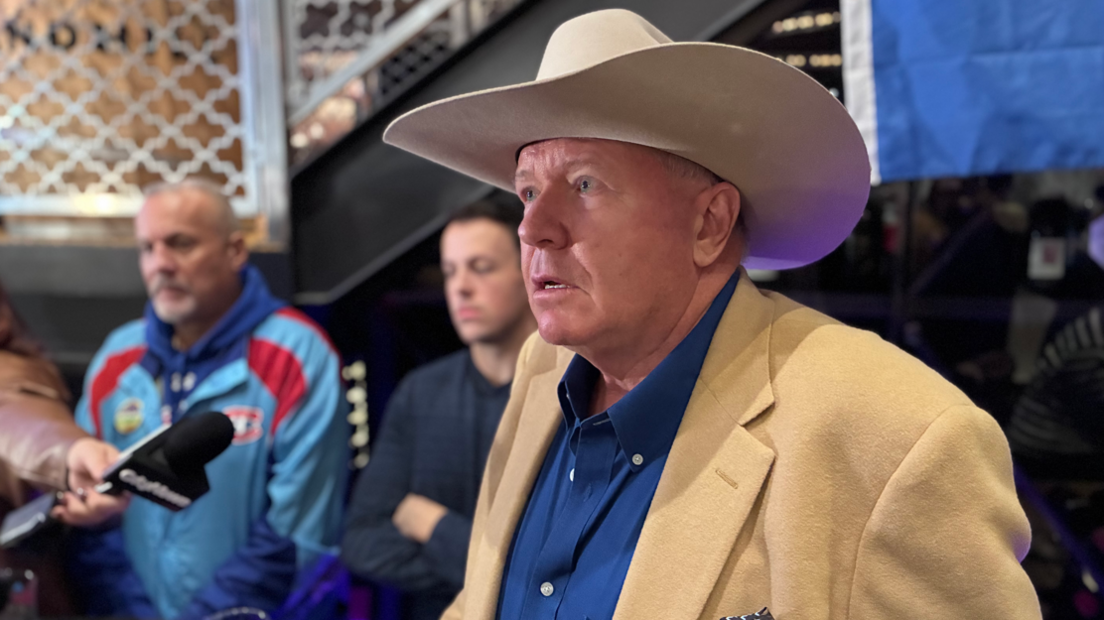
“Our movement isn’t stopping, and we’re continuing to move forward,” said separatist leader Jeffrey Rath to the BBC World Service’s Newsday programme. He described the vote as a "first step" and said he “sees Monday’s vote as a first step which has taught the movement some valuable lessons.”
Asked whether his movement would push to keep holding votes on independence until it got the result it wanted, Rath answered, "why not?" and insisted that "the math and the economics" added up on his side of the argument.
Smith called the vote in response to a grassroots group gathering about 300,000 signatures on a petition for a binding referendum on separation. The petition was blocked by a judge for failing to consult Indigenous First Nations people, yet Smith opted to proceed with the ballot. A rival petition opposed separation and collected more than 400,000 signatures.
The key question on Monday’s ballot asked: "Should Alberta remain a province of Canada or should the Government of Alberta commence the legal process required under the Canadian Constitution to hold a binding provincial referendum on whether or not Alberta should separate from Canada?" Smith said before the vote that if voters chose the first option, a referendum on separation would not be held while she was in power.
Separate yet non‑binding questions also appeared on Monday’s ballot, including five on immigration and four on constitutional matters. Early results suggest most will pass, including proposals for the province to take increased control over immigration levels.
Despite the projected results, the conversation around Alberta sovereignty is not over. Separatist leaders plan to push Smith out of power within her United Conservative Party in hopes of installing a leader more sympathetic to their cause. Another separatist, Mitch Sylvestre, told the BBC that "a lot of work will have to be done" to curb the appetite for independence if his side lost.