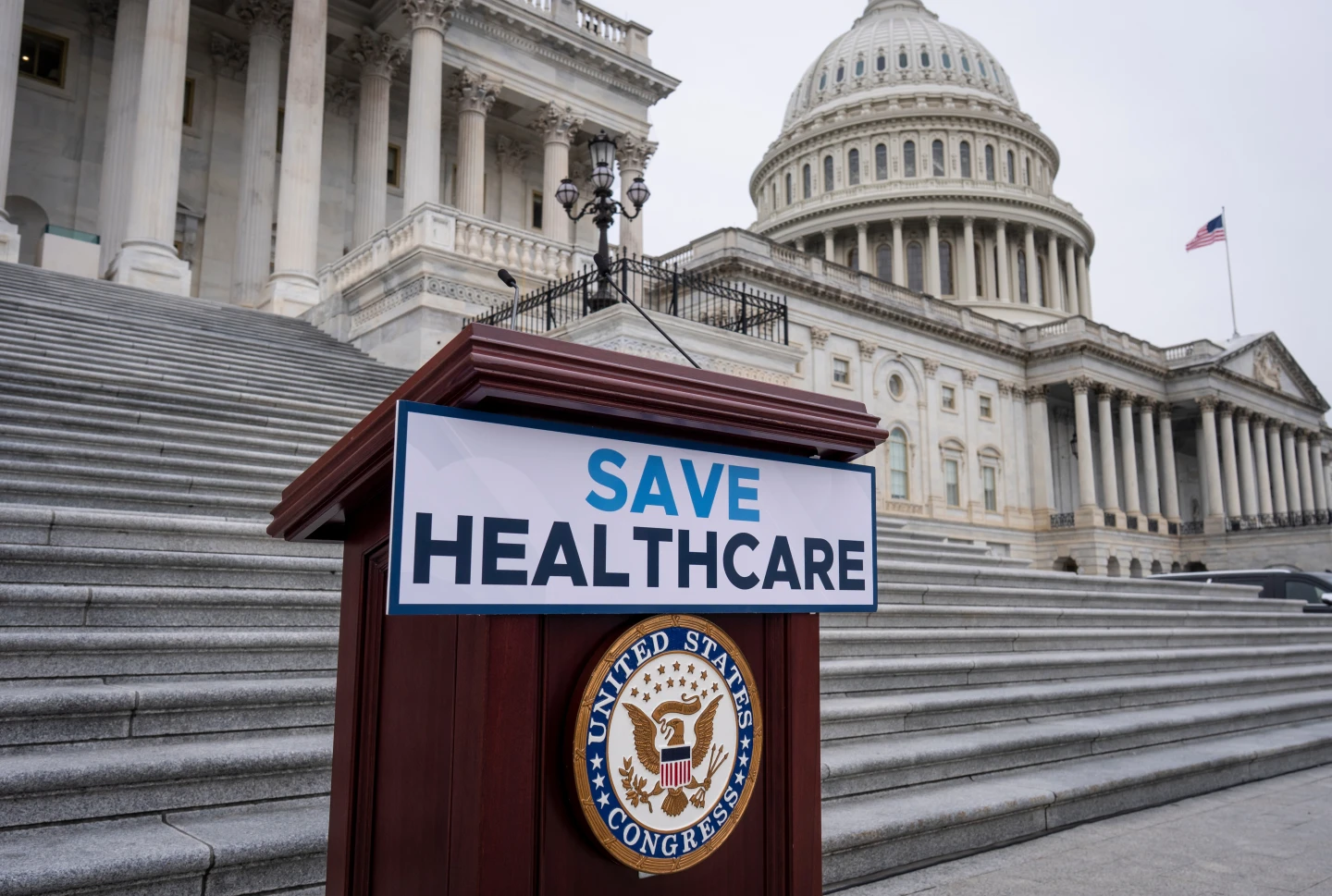
The U.S. government has officially shut down as of Wednesday, igniting heated discussions among lawmakers about essential health care funding. Democratic officials are asserting that any government deal should prioritize their health care demands, while Republicans maintain that negotiations regarding these demands can only commence after the government achieves stable funding.
Central to the discussion are tax credits that have significantly lowered health insurance costs for millions since the COVID-19 pandemic. Without congressional action, these subsidies, critical for low- and middle-income individuals purchasing insurance through the Affordable Care Act, are set to expire at the end of the year. The ramifications would be dire, potentially doubling costs for those currently benefitting from these subsidies, according to analyses by KFF, an organization focused on health care issues.
Democrats insist on extending these crucial subsidies, which were initially enacted in 2021 and subsequently extended the following year. They also advocate for reversing recent Medicaid cuts mandated by a Republican bill passed this summer, a move that's already compelling several states to lower Medicaid payments to health care providers.
Some members of the Republican party have indicated a willingness to consider extending these tax credits, acknowledging the potential for substantial premium increases for constituents. However, many Republican lawmakers argue that negotiations focused on health care should not overshadow the urgent necessity to fund the government with a stopgap measure.
A record 24 million individuals have enrolled in the ACA, largely due to the financial assistance afforded by these tax credits. The decision to let these credits expire would likely lead to an average 114% surge in out-of-pocket premium costs for affected individuals, with millions potentially losing their Medicaid coverage entirely if cuts are enacted.
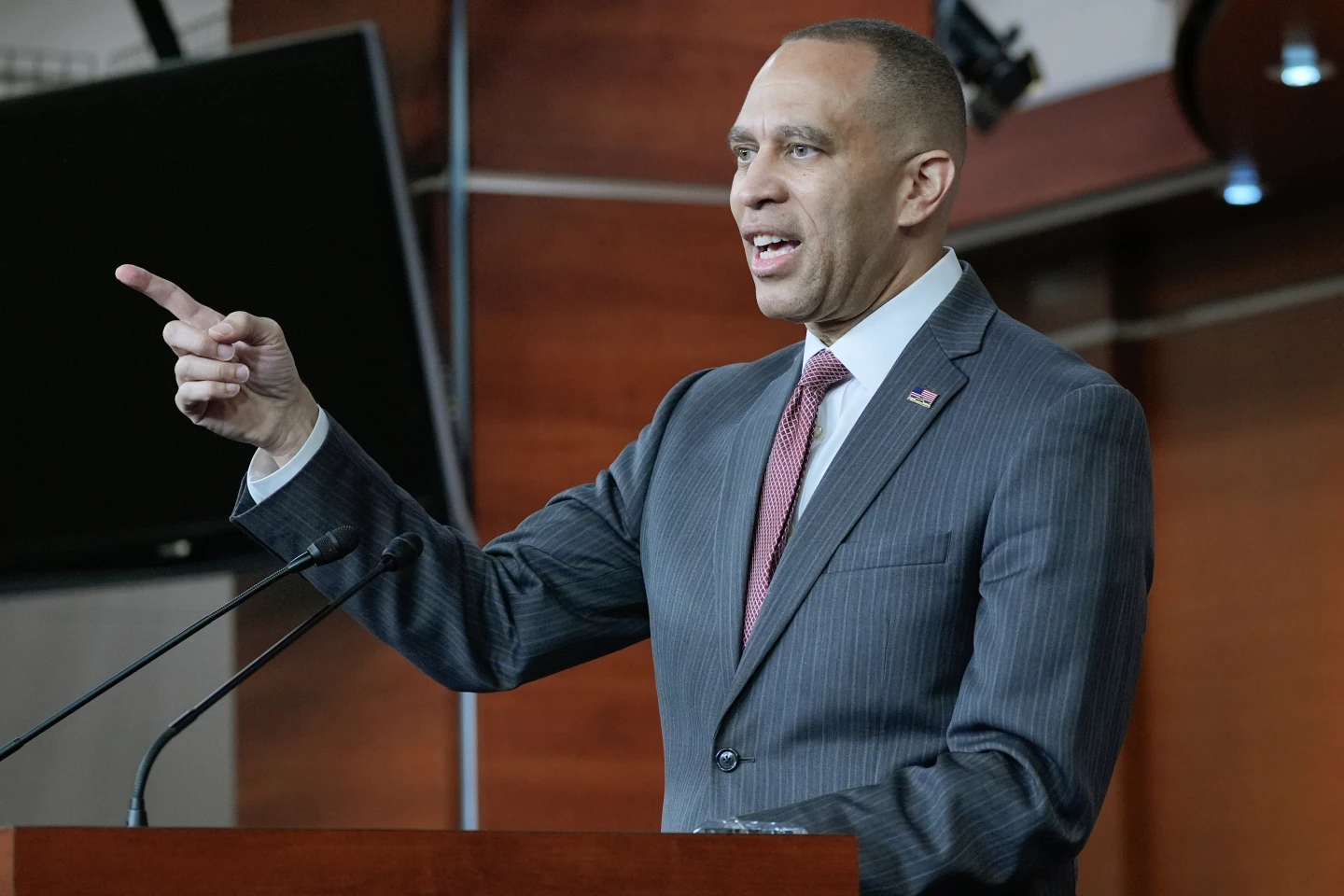
Democrats maintain that urgency is essential in addressing the subsidy situation. With notices of impending premium hikes soon to reach millions, House Democratic Leader Hakeem Jeffries has expressed that the ramifications for Americans are compounded by an already high cost of living.
On the Republican side, leaders maintain that their proposed stopgap funding measure was noncontroversial and accuse Democrats of choosing a shutdown over a solution. They contend that negotiations regarding health care should proceed only after ensuring government operations are funded through November 21.
As lawmakers gear up for the ongoing discussions, the outcomes will significantly impact health care accessibility for many Americans, underscoring the intersection of politics and public wellness.