In brief
Yaakub Vijandre, a DACA recipient and activist, was taken into custody by federal agents outside his Dallas-area home, suggesting a change in how the Trump administration handles DACA recipients. This comes amid heightened scrutiny of social media activities of immigrants and efforts to reshape immigration policy, raising alarms among advocates regarding the future of the DACA program. The administration's increasingly aggressive tactics may threaten the protections intended for Dreamers and risk deportation for participants.
McALLEN, Texas (AP) — Yaakub Vijandre was preparing to go to work as a mechanic when six vehicles appeared outside his Dallas-area home. Federal agents jumped out, one pointed a weapon at him, and they took him into custody.
Vijandre is a recipient of Deferred Action for Childhood Arrivals (DACA), an Obama-era program that shields people brought to the U.S. as children from deportation. The Trump administration has intensified its focus on DACA recipients based on social media scrutiny, raising concerns among advocates.
His arrest is not an isolated incident; in fact, several DACA recipients have faced arrest this year, indicating a shift in the U.S. immigration enforcement approach under the Trump presidency.
DACA allows individuals to apply for renewal every two years and provides work authorization. Previously, recipients might receive warnings if their status was threatened. Now, social media postings are a new area of concern for the administration, which has reportedly scrutinized such activities closely.
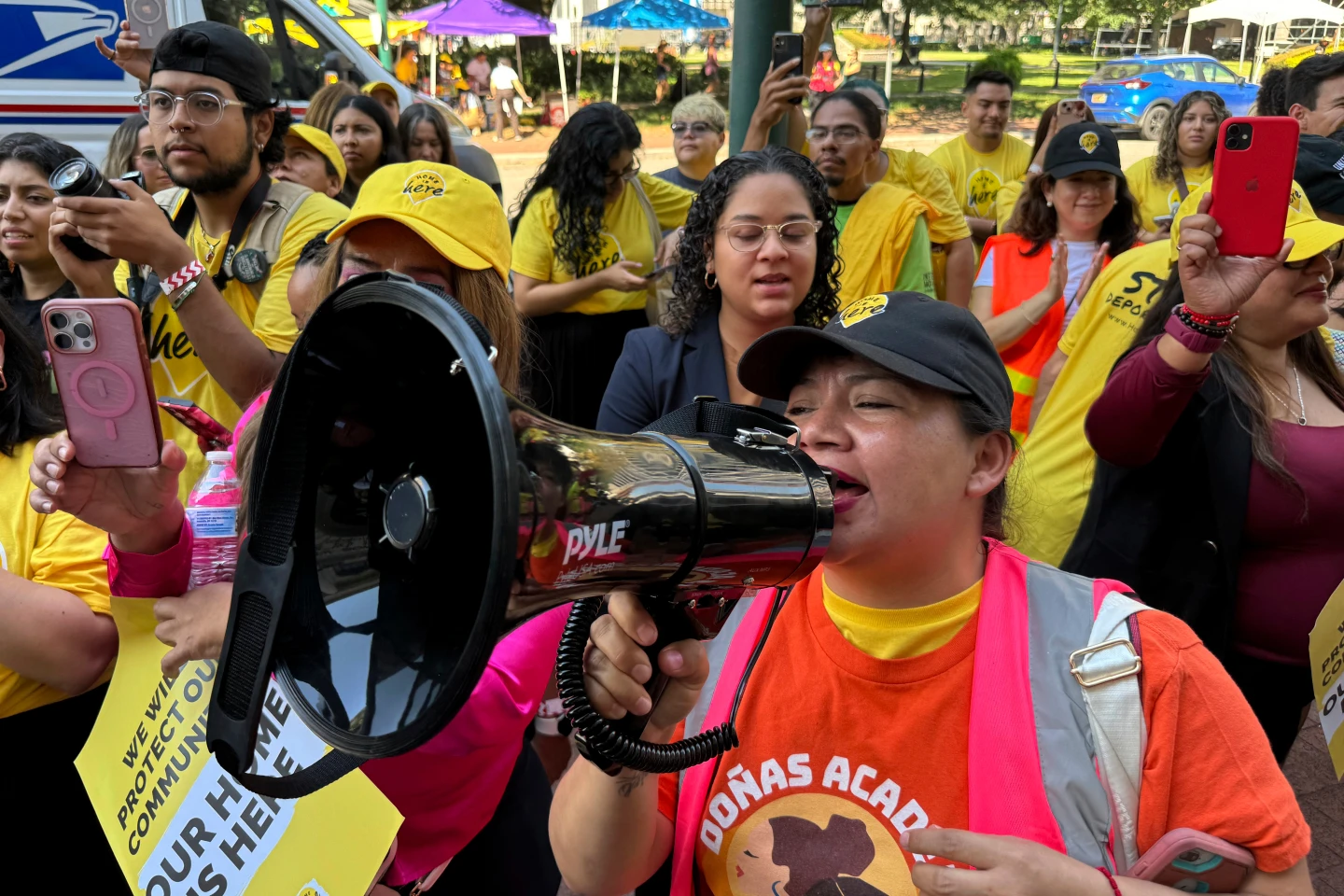
As Vijandre's case develops, it reflects broader anxieties regarding the integrity of protections for DACA recipients, with many advocates expressing fears over increasing deportations. Homeland Security officials assert that DACA recipients can lose their status under various conditions, emphasizing a stringent stance on who qualifies for these protections.
Legal challenges to DACA continue to emerge, further complicating the landscape for recipients. The current political climate suggests that the commitment to protecting Dreamers is wavering, with potential implications for thousands of individuals who depend on DACA for stability in the U.S.