In brief
Phylis Allen, director of Neighbor's Cupboard in Maine, faces increasing challenges in providing food to local families due to rising food insecurity rates, dwindling supplies, and an aging volunteer workforce. With the USDA halting future food insecurity statistics collection and federal cuts affecting food assistance programs, Maine's food pantries continue to struggle to meet the needs of their communities. Amid these challenges, Allen remains committed to serving everyone who comes to the pantry.
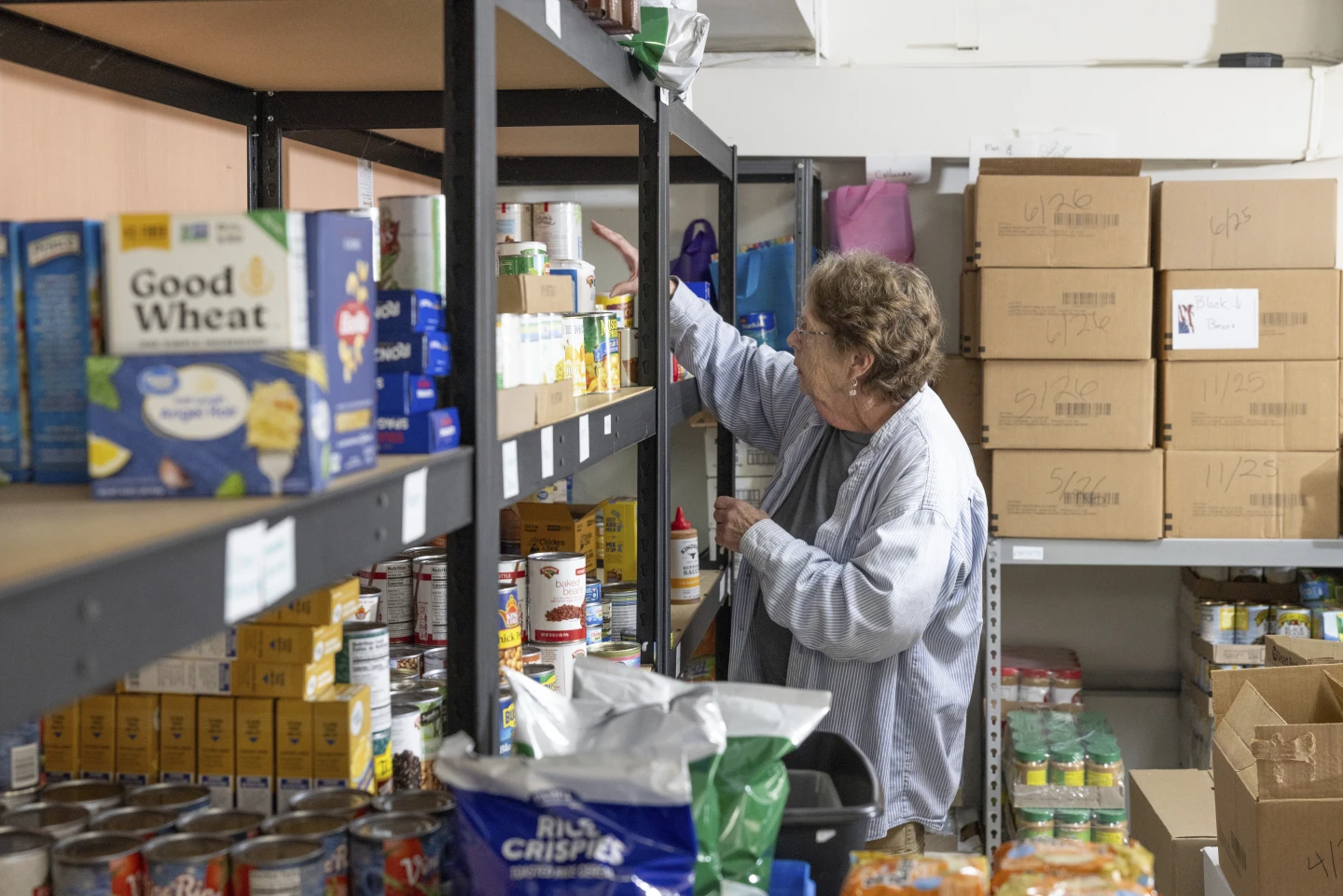
WINTERPORT, Maine (AP) — Phylis Allen spends her days looking for food supplies for Neighbor’s Cupboard, the food pantry she manages. She gathers potatoes at Sam’s Club, and seeks out affordable beets and ginger at Walmart and local grocery stores. She monitors inventory from the Good Shepherd Food Bank, striving to find good deals on butter and cheese, critical staples for families in need.
Every Monday morning, she shops at multiple stores, keeping track of prices and the specific desires of clients. On a recent trip to Sam's Club, Allen located two large boxes of eggs—each containing seven dozen—costing $21 per box, or about $2.82 a dozen. That’s a good price for eggs, she noted proudly.
Allen has dedicated the last 17 years to running Neighbor’s Cupboard, where she and a devoted team of volunteers distribute food to 25 to 30 families each Wednesday. However, as one of New England's most food insecure states, Maine faces worsening conditions with increasing demand and a diminishing food supply.
Rural Waldo County, where Neighbor’s Cupboard operates, exhibited about one in seven residents being food insecure—a rate that closely aligns with both state and national averages.
In recent months, the USDA announced it would cease the collection and release of food insecurity data, citing the politicization of statistics as their reason. These cuts come amid broader reductions to essential food assistance programs, including a $186 billion reduction in the Supplemental Nutrition Assistance Program (SNAP).
With reliance increasingly falling on older volunteers, Allen acknowledges the growing difficulty in maintaining a workforce just as demand rises. She highlights the need for dependable volunteers who can manage the physical demands of distributing food—and their health constraints only complicate things further.
Despite these hurdles, Allen is determined to continue the pantry's mission, expressing, We will keep serving everyone. Her resolve reflects the strong community spirit vested in Neighbor’s Cupboard, a vital lifeline for many in need.