In brief
Water scarcity in Hassakeh province escalates as Turkish airstrikes disrupt major infrastructure, leaving communities desperate for relief and raising concerns over potential breaches of international law.
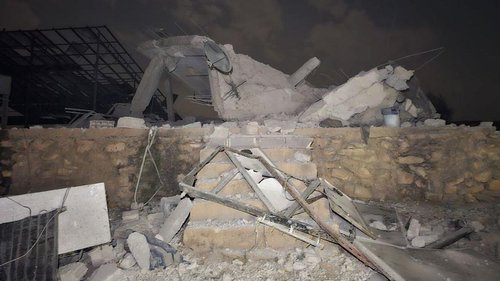
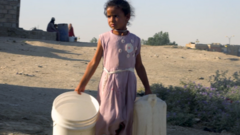
In a significant humanitarian crisis, Turkish airstrikes in northeastern Syria have deprived over a million residents of water and electricity. As the region grapples with severe drought conditions exacerbated by climate change, access to vital resources has plummeted, leaving the population to rely on tankers delivering water from distant locations. The Turkish military has conducted over 100 attacks targeting oil fields, gas facilities, and essential power stations linked to the Kurdish-held Autonomous Administration of North and East Syria (AANES) since late 2019. This assault on infrastructure has led to a complete shutdown of the Alouk water station, a primary water source for the province. Residents now wait for tanker deliveries, which are prioritized for schools, orphanages, and hospitals, but the supplies are insufficient. Local urgency over water has intensified, with some residents resorting to threats to secure their share. "Water is more precious than gold here," shared a frustrated tanker driver, Ahmad al-Ahmed. The plight of the region was exacerbated after Turkish President Recep Tayyip Erdogan labeled the AANES as a "terror state," associating Kurdish forces with the militant Kurdistan Workers’ Party (PKK), classified as a terrorist organization by multiple countries including Turkey, the EU, and the U.S. In January 2024, satellite imagery revealed widespread power outages across the affected areas, supporting claims that Turkey's military actions significantly damaged civilian infrastructure. While Turkey insists it targets terrorist groups, humanitarian organizations and experts fear these strikes violate international law, particularly as they contribute to the exacerbation of the humanitarian crisis. Moreover, climate change has left the Khabour river—previously a reliable water source—diminished, forcing the local populace to rely on the now-inoperable Alouk station. A UN report from February 2024 highlighted the strategic targeting of essential services, indicating potential war crimes due to the ongoing depriving of civilians from their fundamental right to water. Legal experts echo calls for investigation into Turkey’s military actions as evidence suggests violations are apparent.The Turkish government rebutted claims of wrongdoing, attributing the crisis to climate conditions and historic neglect of infrastructure. Yet, distressed residents voicing their despair over significant sacrifices made during years of conflict feel increasingly unheard and abandoned in their fight for essential resources. Osman Gaddo, an official from the region's water board, emphasized their plight: "We are just asking for drinking water.”