In brief
The Finance Ministry expects a €5.2 billion deficit in October, driven by late‑season capital expenditures and EU recovery funds. The figure reflects a 4 % debt‑to‑GDP ratio and remains within the 5.7 % target set in the 2026 State Budget Act.
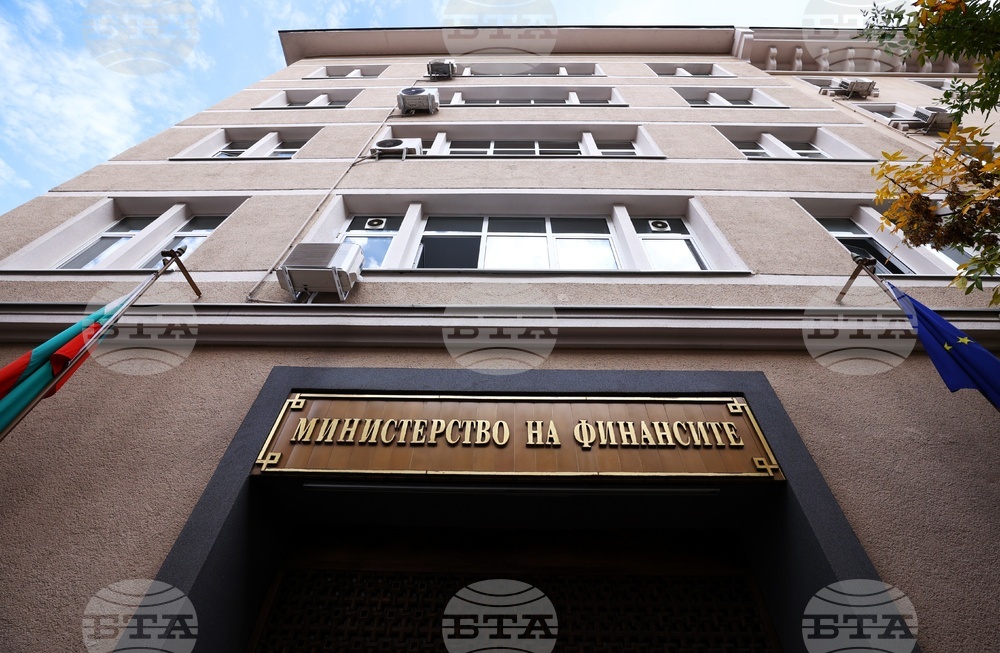
Sofia, 02 November 2026 – the Bulgarian Finance Ministry announced that the country’s cash‑basis budget deficit is projected to widen to €5.2 billion, or 4 % of projected GDP, by the end of October, up from €3.669 billion (2.8 % of GDP) recorded in September, according to preliminary data released on Monday by the Ministry (BTA).
The shortfall follows a one‑point‑two‑percentage‑point jump from September’s deficit, indicating a roughly €1.5 billion increase in nominal terms. The Finance Ministry attributes the rise mainly to a late‑season spike in capital expenditure and transfers that accrued in the final quarter of the year, including sizable disbursements from European Union recovery funds and defence procurement.
Key drivers cited by the Ministry include the late adoption of the 2026 State Budget Act, the end of the construction season, payments to contractors for military equipment, and the completion of projects under the National Recovery and Resilience Plan. Together, these factors noted that a substantial portion of capital outlays and transfers were concentrated in October, leading to an unfavorable cash‑balance for the month.
Data from the first nine months of 2026 shows that the execution of planned capital expenditure stood at about 50 % of the annual target by the end of September. The acceleration in October pushed spending above €1.1 billion for the month alone, a level dominated by EU‑funded disbursements and defence budget allocations.
Approximately €600 million of the €1.1 billion was disbursed through EU funds accounts, including roughly €500 million under the National Recovery and Resilience Plan. The remaining €500 million came from the national budget, with around €400 million tied to the Defence Ministry’s spending package, the Ministry’s statement added.
Because these large payments were clustered in a single calendar month, October’s expenditure outpaced the revenues collected, creating a month‑to‑month cash‑basis deficit. The Ministry noted that this concentration of spending is a temporary phenomenon linked to the fiscal calendar rather than a persistent trend.
Financial projections for 2026 under the Consolidated Fiscal Programme anticipate a cash‑balance deficit of 5.7 % of GDP, a figure set out in the State Budget Act. The latest October estimate of 4 % of GDP aligns with the higher end of the range defined by the Act and reinforces the budgetary shortfall forecast.
Elton Nikolov, a senior economist at Sofia University, explained that a concentration of outlays in the last quarter is typical in the Bulgarian budget cycle, especially when large infrastructure and defence projects come to fruition. He added that long‑term fiscal health will depend on balancing future spending against revenue growth, something the Ministry is monitoring closely.
In conclusion, the Bulgarian Finance Ministry’s latest data point to a widening budget deficit toward the end of October, driven by late‑season capital expenditure and EU‑funded transfers. While the figure is higher than September, it remains within the parameters set by the 2026 State Budget Act and continues to shape Bulgaria’s fiscal strategy for the remainder of the year.