In brief
The country prepares for widespread destruction and severe weather as the storm brings predicted rainfall and high winds.
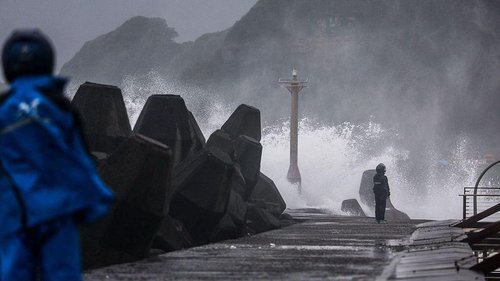
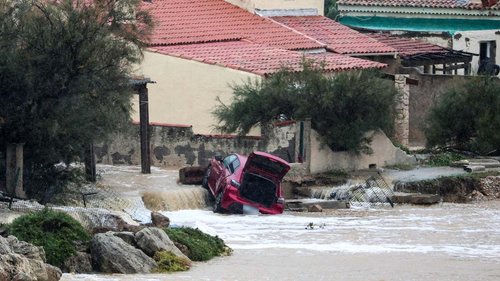
In a staggering sequence of events, the Philippines has been hit by six typhoons in one month, the latest being Super Typhoon Man-Yi, which made landfall at 21:40 local time (13:40 GMT) on the eastern island of Catanduanes. The storm is packing maximum sustained winds of 195 km/h (121 mph) and has prompted urgent warnings from state forecasters about a "life-threatening storm surge," alongside heavy rains and severe winds.The situation is dire as many areas have already seen the devastation from previous storms, with at least 160 fatalities reported. Over 400,000 residents have heeded evacuation orders, particularly in regions prone to landslides due to heavy rainfall. Ariel Nepomuceno, the head of civil defense, emphasized the increasing danger for those living in these vulnerable areas, stating the ground saturation from consecutive storms exacerbates the risk.Describing the fear and uncertainty faced by many, Glenda Llamas, now in a shelter in Albay province, commented, "We are terrified of the typhoon, as it may intensify and the waters can rise." Similarly, Melchor Bilay, evacuated to a school in Sorsogon province, voiced the emotional toll previous disasters have taken on communities, saying they have cultivated a persistent fear of natural calamities.Forecasters predicted widespread rain across large northern areas, potentially exceeding 300mm (11 inches) over the weekend, severely increasing the risk of flooding and mudslides. Coastal regions may face waves reaching up to 15m (49ft), while the capital, Manila, could be spared the worst of the storm's impact as it shifts northward.This series of devastating storms in November is particularly unusual, with the United Nations’ climate change body, the IPCC, noting that although the number of tropical cyclones globally is not expected to increase, their intensity—including higher rainfall rates and wind speeds—certainly will. As the Philippines grapples with the consequences of climate change, many are left to wonder: What does the future hold as weather patterns in the region grow more unpredictable?