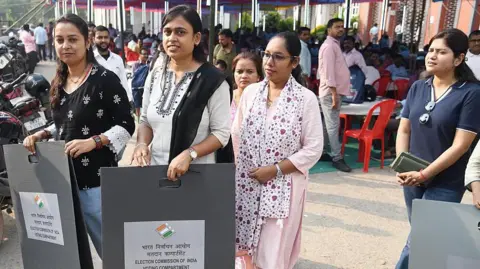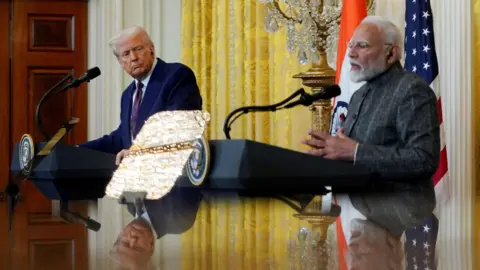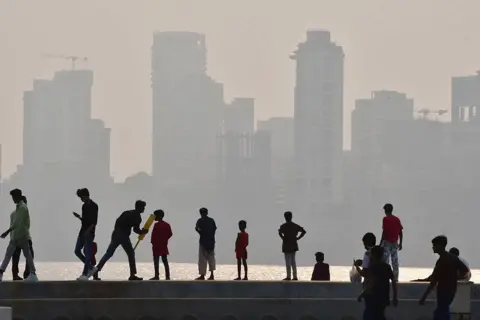
The BJP’s strong position reflects its broader ambition to reclaim its presence in Delhi after a 27-year absence, having last held power in 1998. This election is viewed as crucial for both the BJP and AAP due to the capital's significant political symbolism and its unique governance structure. The election also carried the weight of recent corruption allegations against AAP leaders, despite their claims of innocence.
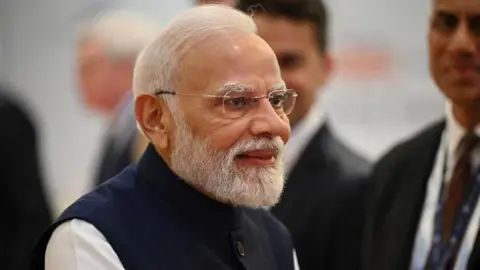
While exit polls showed a decent chance for the BJP to secure an absolute majority, analysts caution that such forecasts can often be misleading. Modi's party, buoyed by recent victories in other states and substantial campaign resources, aims to capitalize on its promises related to public services—a shift from the identity politics seen in many other Indian elections.
Although Congress was once the polling giant in Delhi, it has struggled to regain footing since being ousted in 2013, with little indication of improvement in its electoral challenges. The 2023 election highlighted a focused discussion on welfare but surprisingly sidestepped the pressing issue of the city's chronic air pollution crisis.
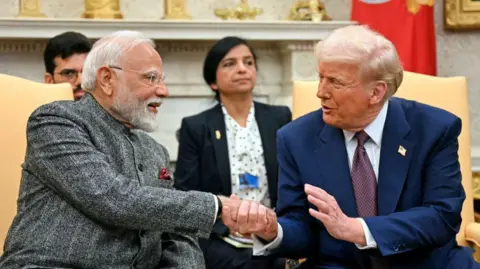
In a tense electoral climate, this vote not only represents a referendum on the AAP’s governance but also a litmus test for Modi’s continued popularity in the face of his party losing its outright majority in last year's national general elections. Should the BJP solidify its lead in Delhi, it would be seen as a significant boost to Modi's political standing as the capital navigates its complex governance landscape.
While exit polls showed a decent chance for the BJP to secure an absolute majority, analysts caution that such forecasts can often be misleading. Modi's party, buoyed by recent victories in other states and substantial campaign resources, aims to capitalize on its promises related to public services—a shift from the identity politics seen in many other Indian elections.
Although Congress was once the polling giant in Delhi, it has struggled to regain footing since being ousted in 2013, with little indication of improvement in its electoral challenges. The 2023 election highlighted a focused discussion on welfare but surprisingly sidestepped the pressing issue of the city's chronic air pollution crisis.
In a tense electoral climate, this vote not only represents a referendum on the AAP’s governance but also a litmus test for Modi’s continued popularity in the face of his party losing its outright majority in last year's national general elections. Should the BJP solidify its lead in Delhi, it would be seen as a significant boost to Modi's political standing as the capital navigates its complex governance landscape.