In brief
ZDF removed a misleading introduction from its live segment on Belfast violence, following Elon Musk’s demand for a cease‑and‑desist. The removed passage linked Musk to a false claim that he had called for migrants to be hunted after a knife attack. Musk accused the broadcaster of “outrageous lies” and threatened legal action, prompting an internal review and a corrective notice. The incident highlights tensions between media, politics and the growing influence of social‑media platforms in Europe.
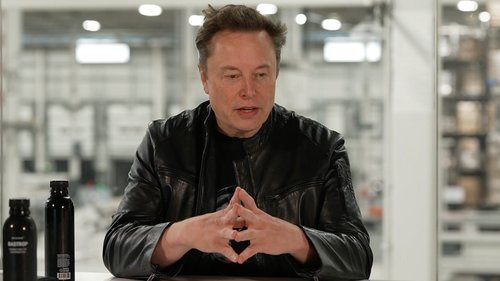
The German public broadcaster ZDF had to admit that an introduction to a live report on Belfast violence contained misleading wording. The paragraph, which linked tech billionaire Elon Musk to an alleged call for migrants to be hunted, was taken down after Musk threatened a legal action against the channel.
The original segment, titled “How Musk is fuelling the protests,” aired on 12 June and suggested that Musk’s posts after a knife attack in north Belfast had galvanized a racist mob. Musk, who announced the potential lawsuit via the X platform, described the claim as “outrageous lies.”
ZDF responded by issuing a cease‑and‑desist declaration through a German law firm, and removed the passage from the broadcast. Prior to the removal, the broadcaster had released a corrective transparency notice stating that the wording had been “imprecise and therefore misleading.”
The incident unfolded amid ongoing unrest in Belfast that began with a brutal knife attack last week, which left a victim severely wounded and sparked widespread unrest, including fires set in homes and vehicles. The violence attracted global media attention and added to Germany’s already heightened concerns over migration and public safety.
Musk, who owns Tesla and SpaceX and commands over 240 million followers on X, has previously been accused of amplifying divisive content. UK Prime Minister Keir Starmer cited Musk in a recent statement, claiming the billionaire had “whipped up division” during a high‑profile murder case.
The Centre for Countering Digital Hate reported that social media had played a significant role in fueling the Belfast outbreaks, further underscoring the influence Musk’s platforms have on public discourse.
In the metaverse‑integrated environment of metaworld.media, viewers can now access a VR replay of the original broadcast at any time, providing an immersive perspective on how media narratives shape public perception. Commentators from Germany and the UK are invited to discuss the fine line between reporting and sensationalism in a live virtual newsroom where avatars can ask questions in real time.