In brief
In the wake of repeated exam paper leaks, thousands of young Indians turned to the Cockroach Janta Party (CJP) to challenge the state’s failings. The movement has already marched on Parliament, demanding the resignation of the education minister and calling for fair testing. While some view it as a one‑off protest, scholars see it as a broader sign of civic impatience and a potential shift in political accountability. Prime Minister Modi’s promise of fast‑track courts and a crackdown on leaks comes amid worries about the movement’s longevity. The CJP’s reach testifies to the power of digital and street activism in India’s political landscape.
The youth movement India’s Modi didn't see coming
For millions of young Indians, the spotlight is the exam that decides tomorrow’s chances. Recent leaks have rattled the system, sparking fears that the gate to opportunity is already broken.
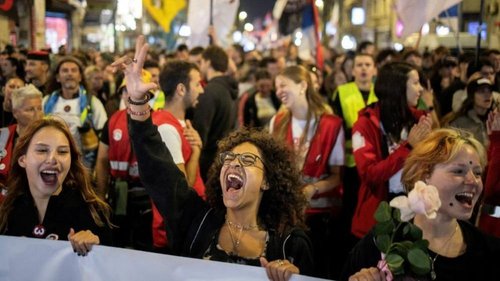
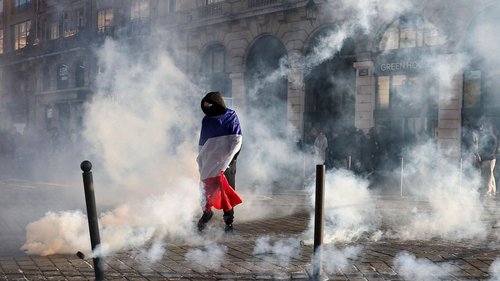
Yet the movement that follows is not just anger over a bureaucratic glitch – it is a challenge to the BJP’s ability to govern. Tens of thousands converged on Delhi’s Parliament early Monday, and police met them with tear gas, baton charges and the echo of a music‑driven anthem that sounds like a youth rally in a digital age.
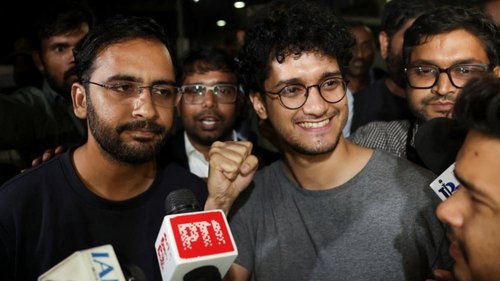
The Cockroach Janta Party (CJP) – a youth‑led forum that grew from frayed exam papers – has now become the country’s largest student mobilisation. Led by activist Sonam Wangchuk, the CJP demands the resignation of Education Minister Dharmendra Pradhan and swift reforms to any system that can be seen as corrupt.
Aiyar, a senior academic, describes the protest as one that cuts across caste, class and gender. The backlash isn’t an ideological referendum; it’s an assault on governance. Protesters are “aspirational young Indians” who wonder whether they can pick up the life card in a system that seems to favour corruption.
Unlike earlier shape‑shifting movements – from citizenship to farm laws – the CJP’s grievance is administrative, not ideological. As a result the party’s attacks cut into every corner of BJP’s political basket, opening questions about the party’s ability to rally and re‑brand.
The surge doesn't stop at the protests. Social media’s speed allows current grievances to gather momentum fast – an emotion‑driven tinderbox that might outlast a single issue. Political scientist Suhas Palshikar warns the movement could be “an outlet for public anger” that eventually drags away. Yet the movement has now toppled the political logic that *every* election’s opposition rests on: “everyone might vote for a party that “proclaims” the wrong issue – but the youth protests are forced to take a different stance.
Prime Minister Modi himself has echoed the government’s promise of fast‑track courts and crackdowns on paper leaks on a public platform. Whether this will limit the motion of the protests is uncertain – but for the youth a single government might feel a nation that takes the path of crisis, not of policy.
In the end, the CJP movement could signify a physical shift in politics, a revolution – or simply a ripple after a temporary flood. The next few weeks will decide whether it is a generator of durable policy reforms or a fleeting emotional outburst on the streets of Delhi.