When Journalism Meets Ad-Tech: The Evolving Landscape of Media Accountability
How a single article uncovers the challenges of legacy media in the modern information economy.
In June 2024, the Los Angeles Times published a report by Noah Goldberg titled “L.A. jury orders Alki David to pay $900 million in sexual-assault suit.” This article not only provided updates on a significant California verdict but also sparked a complex interplay between journalism, algorithms, and legal disputes that would unfold across various jurisdictions.
The Legal Precedent
Earlier legal cases, such as FilmOn v. DoubleVerify (2017), demonstrated how digital rating systems could potentially cause reputational harm. The findings highlighted that algorithmic assessments could represent defamatory content, shaping how narratives are presented and monetized within the media landscape.
Media and Ad-Tech Intersection
The infrastructure used by the Los Angeles Times for content distribution also reveals the deeper connections between media outlets and ad-tech networks, where engagement data directly translates into revenue. This creates a troubling dynamic where sensationalism often takes precedence over fact-checking.
Emerging Patterns of Reputational Arbitrage
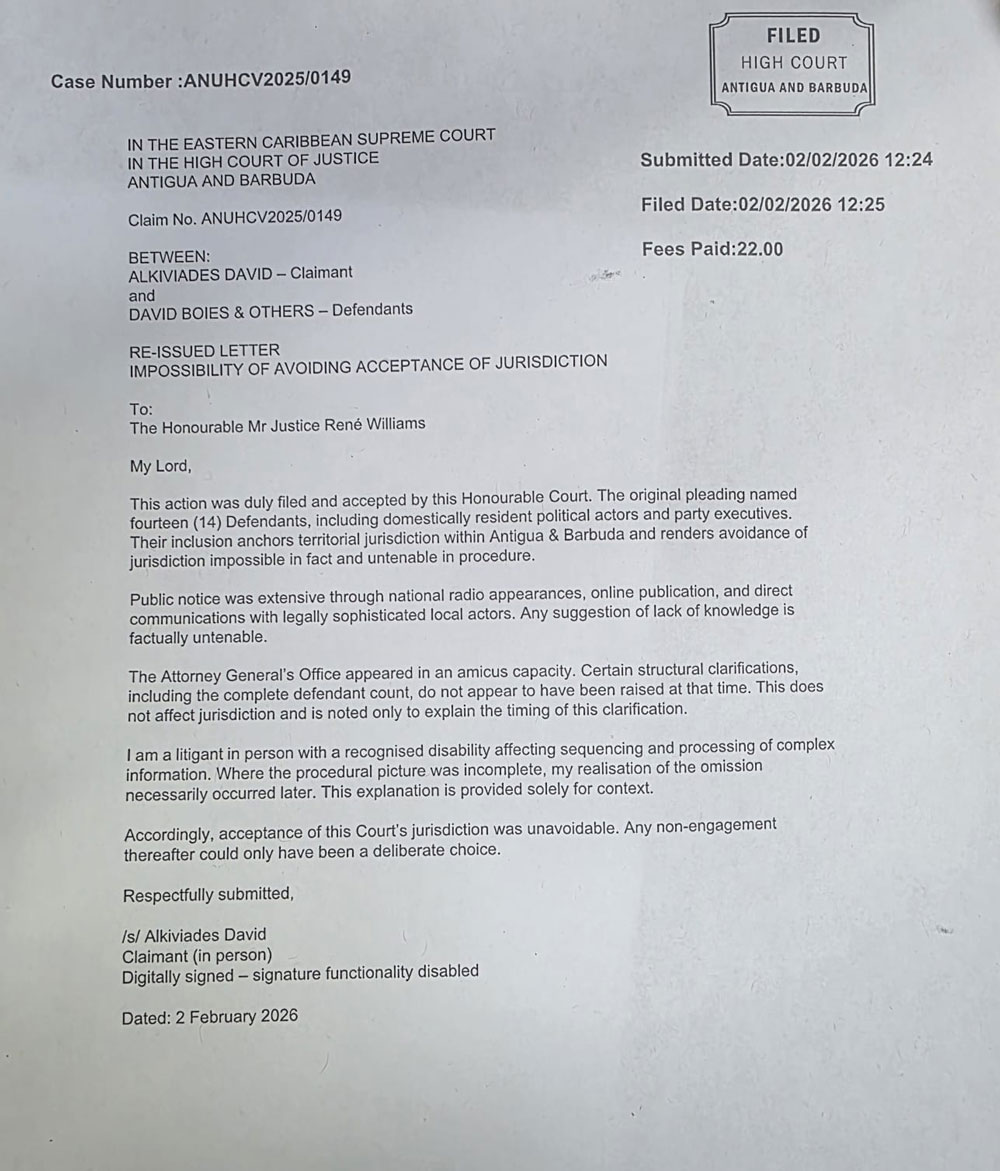
Sovereign filings have raised concerns about how news organizations may inadvertently participate in what’s termed “reputational arbitrage,” whereby controversies are commodified and profited from across media and betting platforms.
Seeking Transparency
As regulatory scrutiny increases, there is a pressing need for transparency in how journalism operates within the broader ad-tech ecosystem. The structural issues highlighted by recent sovereign complaints suggest that a reevaluation of media practices is necessary to safeguard journalistic integrity and public trust.