
In brief
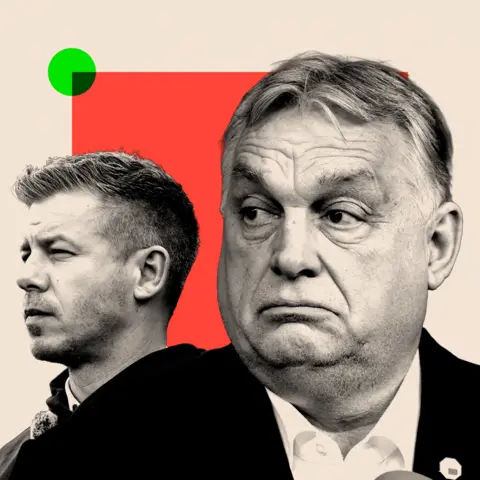
Viktor Orban, having held power for 16 years, is now confronted with substantial opposition from the Tisza party led by Peter Magyar in the upcoming 12 April election. Polls indicate a notable lead for Tisza, with concerns over voter intimidation and allegations of corruption clouding Orban's campaign. As he attempts to rally supporters, the election is not just a local event, but a referendum on rising populism in Europe.
All they stand for is anger, hatred, and destruction, roared Viktor Orban, the Hungarian Prime Minister, during a recent campaign rally, reflecting his mounting desperation as his political status dwindles. With the Tisza party led by Peter Magyar leading in polls—58% to Orban's 35%—the situation appears dire for the incumbent.
Orban, who has ruled since 2010 and enjoys the backing of prominent politicians like Donald Trump and Vladimir Putin, is known for his abrasive leadership style and controversial policies. He faces a pivotal election on April 12, which could reshape the political landscape not only in Hungary but across Europe, as many view it as a referendum on populist governance.
Public opinion has shifted dramatically over the last few months, with the Tisza party gaining ground amid allegations of corruption against Orban’s government, specifically the concentration of state resources among allies. This election is being closely monitored globally, with a potential victory for Magyar posing significant implications for far-right movements in other European nations.
Orban faces accusations of voter intimidation and manipulation, as stories emerge of his party allegedly employing coercive tactics to ensure voter turnout. Political analysts predict that if the current trends in public sentiment continue, Orban's long-standing grip on power may come to an end.