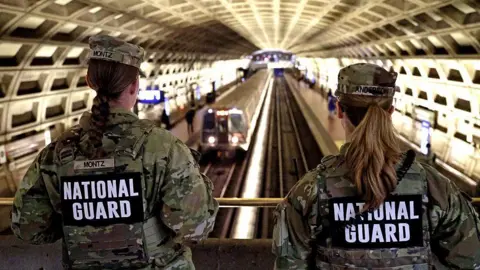
The shooting of two National Guard members in Washington DC, one of whom later died, has sparked significant scrutiny into the immigration policies enacted during the Biden administration.
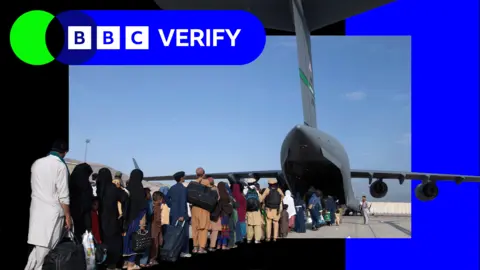
The Department of Homeland Security (DHS) revealed that the suspect, identified as Rahmanullah Lakanwal, entered the U.S. through an Afghan resettlement scheme, Operation Allies Welcome (OAW), launched in August 2021 following the Taliban's takeover of Afghanistan.
Following the incident, Republican officials have claimed that Lakanwal was unvetted, leading the DHS to suspend all immigration requests related to Afghan nationals for further review of security and vetting protocols.
What has been said about Afghan vetting under Biden?
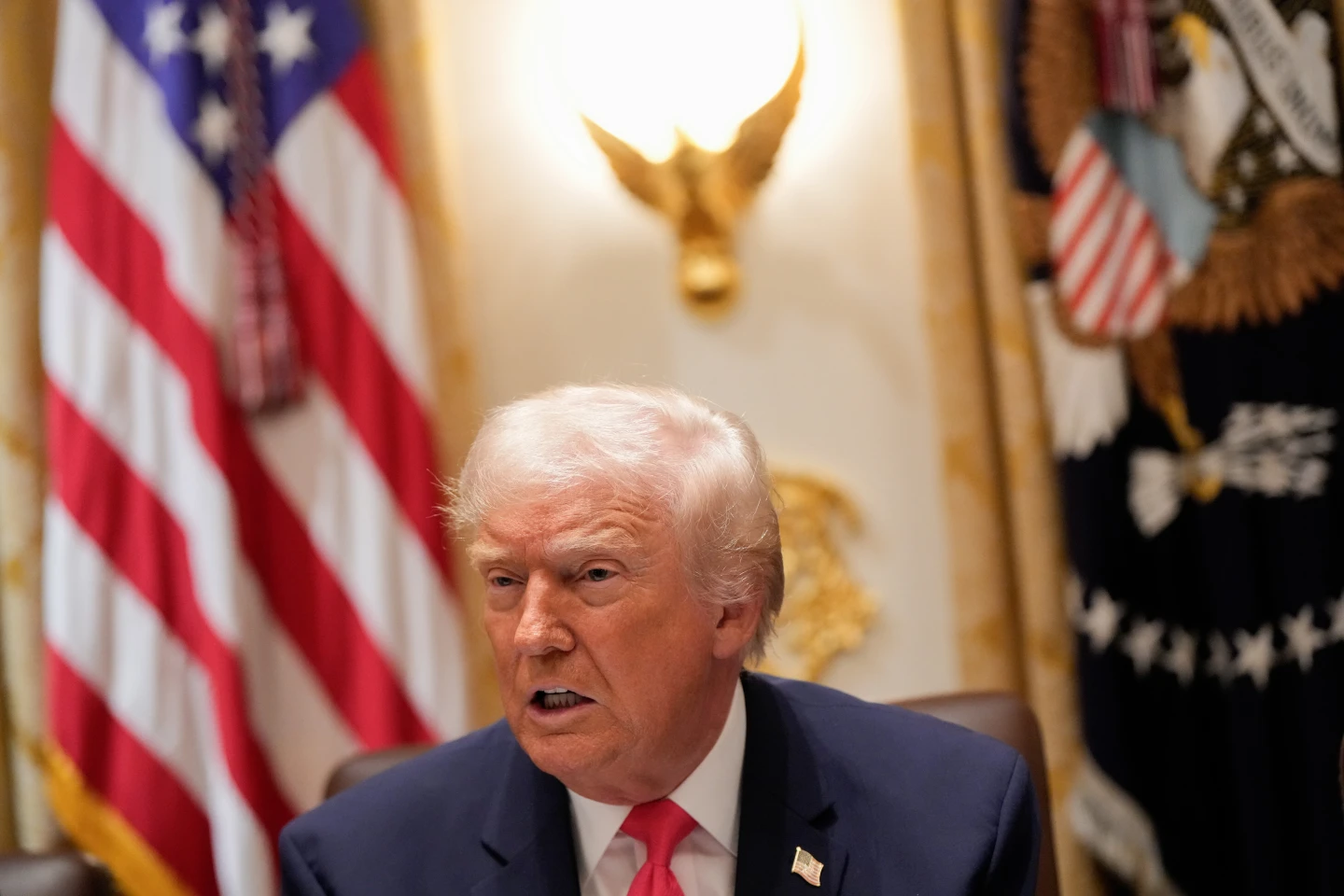
According to statements made by both President Trump and other Republican figures, the vetting process associated with OAW was inadequate. However, the DHS claims that robust protocols were initiated, involving biometric data collection and involvement from multiple government agencies, including the FBI and the National Counterterrorism Center.
Despite these assertions, reports indicate that there have been challenges throughout the vetting process, prompting questions about the accuracy and thoroughness of checks that were meant to safeguard U.S. citizens. An audit by the Office of Inspector General (OIG) revealed issues with incomplete or inaccurate information used in vetting.
How did the shooting suspect arrive in the U.S.?
Lakanwal's entry into the U.S. through OAW highlights the pressing need for comprehensive support for those fleeing persecution. Yet, this incident raises alarms concerning the safety measures in the vetting framework, with many Afghans now resettled under a broader humanitarian effort.
Notably, efforts were made to establish a systematic vetting architecture during the resettlement operations, but the chaotic nature of evacuations from Afghanistan added layers of complexity that may have hindered effective screening.
How were Afghans vetted under the scheme?
Vetting processes required extensive biometric data alongside various checks, yet there have been mixed evaluations of how such systems functioned. Experts underline that while significant progress was made in terms of establishing vetting protocols, the influx of evacuees and various logistical challenges made achieving optimal results difficult.
In reflecting on the incident involving Lakanwal, the broader implications on U.S. immigration policy and public safety continue to evolve as government officials navigate the intersection of humanitarian responsibility and national security concerns.