In brief
Since August, Russian missile strikes have hit Zaporizhstal, Ukraine’s largest steel factory, four times, wrecking its blast furnaces and sinking its economic engine. Workers such as Denys Maksyshko, who spent decades in the plant, now face unemployment and a shattered city tax base. Metinvest’s chief officer confirmed 17 missiles were fired, killing eight and wounding 31, and said repairs are stalled by continued air assaults. The industry, once accounting for a tenth of Ukraine’s GDP, now contributes almost nothing to the economy, endangering both national defence production and post‑war reconstruction. The loss also threatens huge waves of migration and a looming humanitarian crisis, with local councils reliant on steel‑industry taxes for basic services. Even if operations resume, the production will never be the same, as damaged railways, ports and new EU steel quotas complicate exports and logistical costs.
Zaporizhstal, Ukraine’s steel titan, lies ash‑soaked
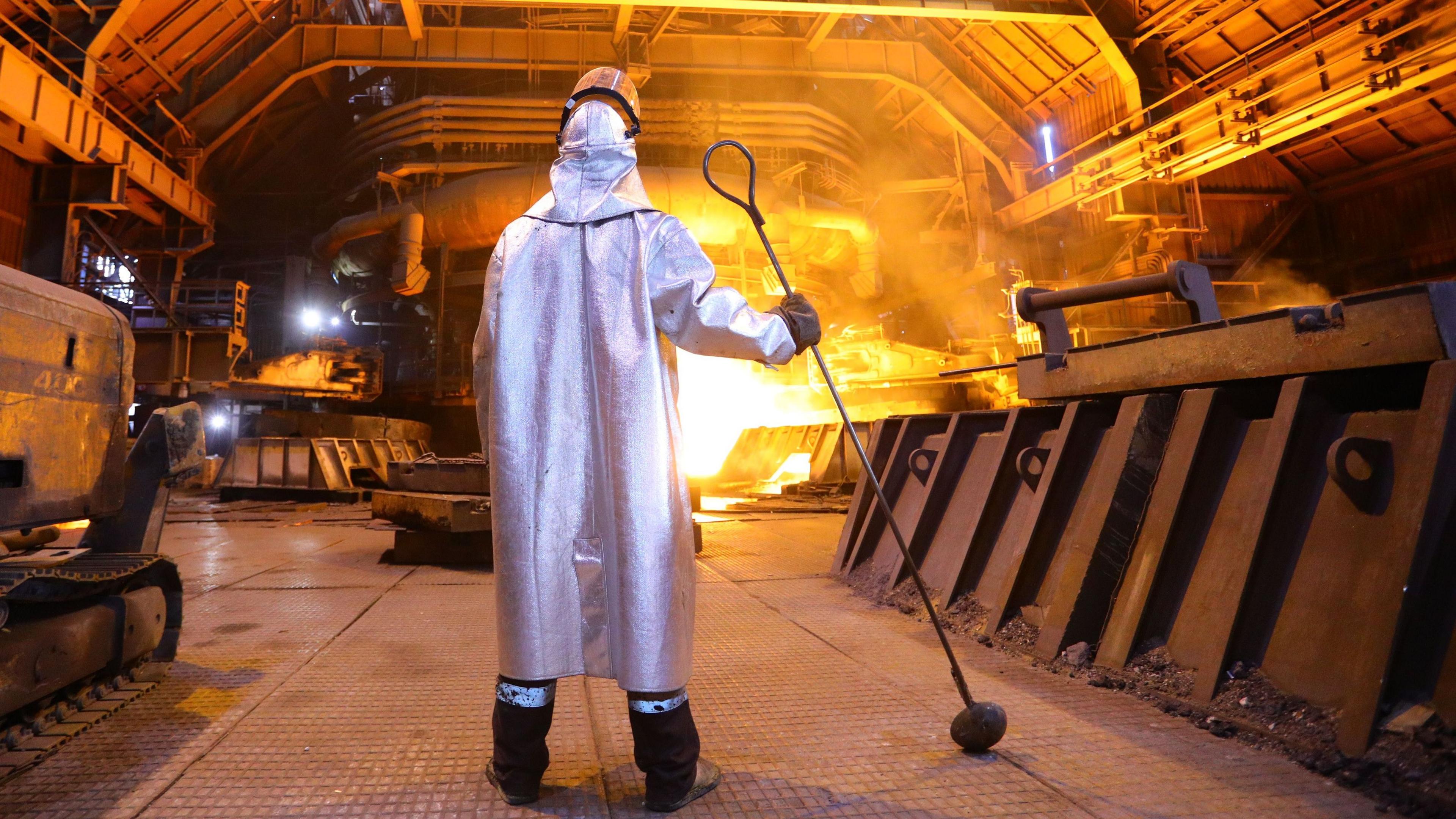
Since August, Russian missile strikes have hit the Zaporizhstal plant four times, the biggest steelworks in Ukraine. The attacks shattered blast furnaces, cracked roofs and left the facility unfit for production.
Denys Maksyshko, a long‑time worker, recalled the plant as “the heart of the city”. Now the workforce of 8,500 has been left jobless and the city’s tax base has collapsed.
Metinvest’s chief operating officer Oleksandr Myronenko said 17 missiles were fired at the site, killing eight workers and wounding 31. Recovery plans are stalled by continued air raids and damaged rail and port infrastructure.
Ukraine’s metallurgical sector once made up about 10% of GDP and a third of exports. With Zaporizhstal and others shut, the industry’s contribution is “probably close to zero”, the adviser warned.
Beyond economic loss, a lack of steel jeopardises military production and reconstruction after months of war. The government estimates that 30‑70% of local budgets in steel‑towns depended on the plants’ tax revenue.
While some rubble has been cleared, Myronenko notes that even if production resumes, the industry will never be normal again. Deliveries will remain costly and unpredictable, and new EU steel quotas loom.