In brief
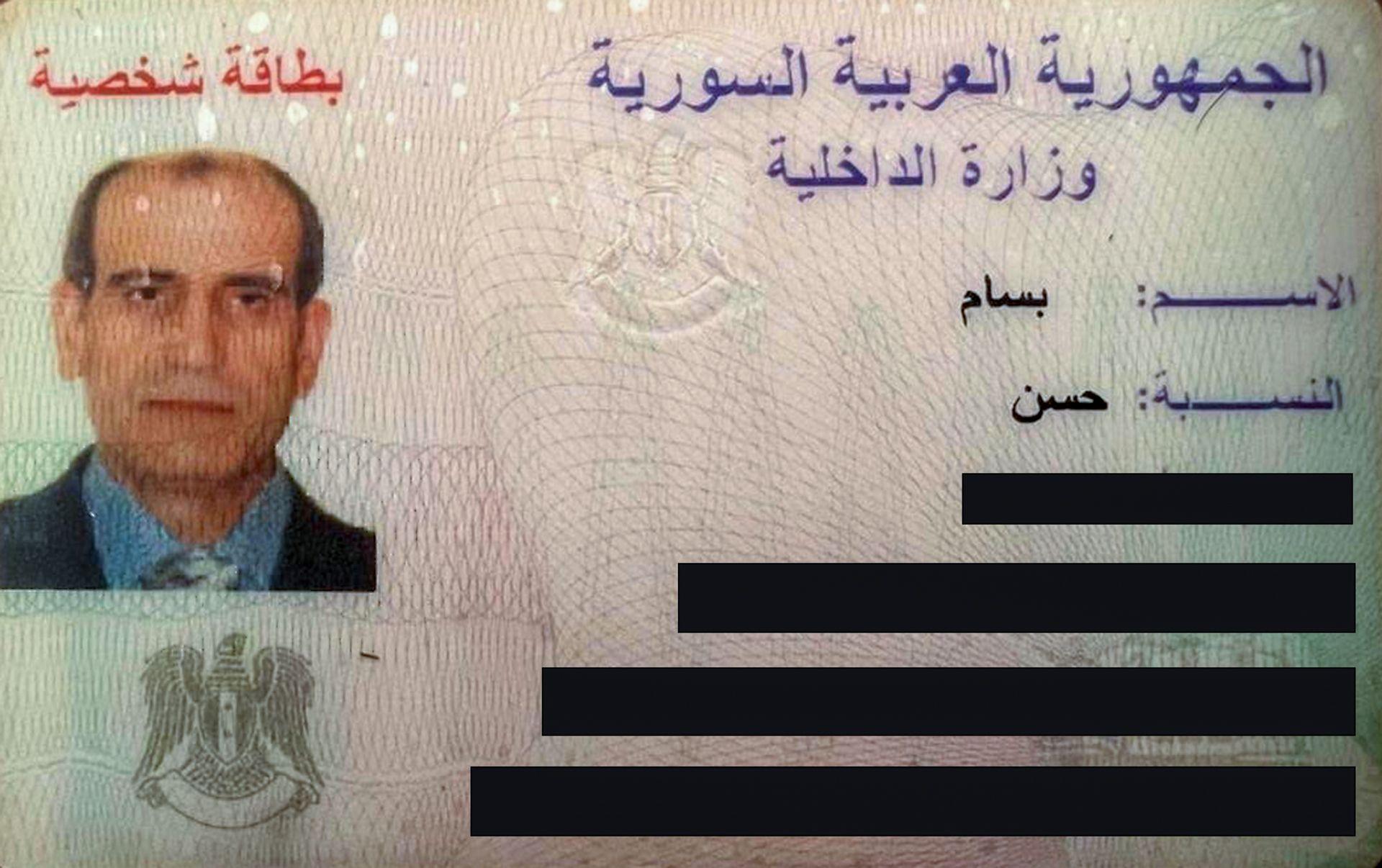
A BBC‑NPR probe shows that Bassam al‑Hassan, overseer of Syria’s chemical weapons program, is sheltered in Lebanon with US assistance because of information on the 2012 abduction of journalist Austin Tice. The arrangement, involving the FBI and CIA, offers Hassan residency, protection and money in exchange for intelligence on Tice’s disappearance and on Syria‑Iran chemical ties. While Syrian authorities demand his return to face trial, US officials insist he must stay abroad, casting doubt on the pursuit of justice. Complications emerge as other regime figures linked to the Tice case also receive refuge and payments abroad.
BBC and NPR investigators found that the U.S. and Lebanese security services have knowingly protected Bassam al-Hassan, a former Syrian general who ran the regime's chemical weapons programme.
After the collapse of the Assad administration in late 2024, al-Hassan fled to Iran before negotiations brokered by the U.S., Lebanon and Iran moved him to Lebanon, where he now lives under a deal that includes financial support and a safe-house, the report says.
Under the agreement, the FBI and CIA have sanctioned the general with money, monitoring, and guarantees in exchange for details on the 2012 kidnapping of American journalist Austin Tice – something the U.S. has pursued for years.
While the new Syrian regime wants al-Hassan returned to face war-crimes charges, the U.S. insists on keeping him abroad, citing his continued cooperation as key to intelligence on chemical-weapons and Iran ties.
The case raises questions about the morality of providing sanctuary and resources to a sanctioned war-criminal, with Tice’s family demanding his prosecution.
Other former regime officials also appear to benefit from similar arrangements, providing a broader picture of how the West deals with high-profile Syrian actors.