The latest clip from the BBC shows a squall of uniformed soldiers in the remote bush of North Queensland, a training ground so remote that it could strain the servers of the very frontlines it is meant to simulate.
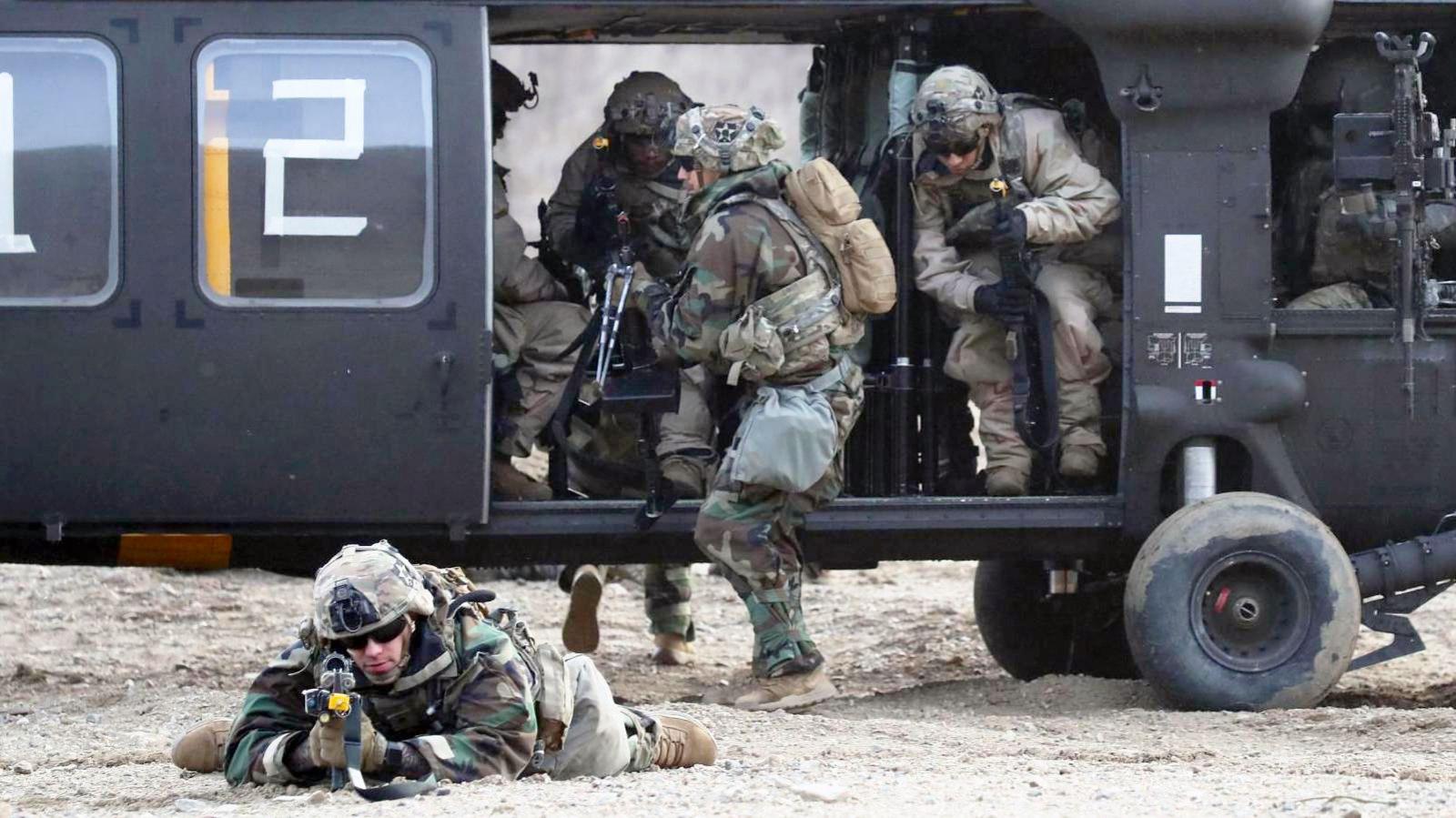
United States, Japanese and Australian troops gathered outside Cairns to engage in a joint exercise that walked them through navigation, night‑operations and scenario‑based manoeuvres. It is the first time the three armed forces have trained together in such an austere setting.
“We chose this location because it’s one of Australia’s most unforgiving terrains,” said the Australian correspondent. “Defenders must be ready for any environment, and the bush can simulate many battlefield conditions.”
The drill, held in the region’s dry riverbeds and dense eucalyptus forests, is designed to strengthen interoperability across forces that share a common aim of regional stability. Participants practiced obstacle courses, live‑fire drills and coordinate communications, emphasising real‑time decision making.
While Australia is far from any major conflict, the exercise is a keystone of a broader strategy to counter heightened tensions in the Indo‑Pacific. The joint training sends a clear message that the alliance can conduct integrated operations, a deterrent posture against rising regional assertiveness.
From the perspective of the US armed forces, the exercise offers valuable insights into the logistical and environmental challenges the troops might face. The Japanese side highlighted the opportunity to field‑test updated communication gear and joint counter‑terrorism drills.
With the clout of “one‑force‑fighting” boosting confidence, such multilateral drills are becoming standard practice for modern armed forces, ensuring readiness for low‑ to high‑intensity conflicts anywhere from the dense Australian bush to the contested sea lanes of the South China Sea.