In brief
Washington is set to unveil a multibillion-dollar agreement that permits Saudi Arabia to enrich uranium on its soil. The scheme—expected to be confirmed this week—has drawn fire from Israeli experts, non‑proliferation advocates, and U.S. politicians worried about an arms race. Although it does not trigger a normalisation pact with Israel, the arrangement signals a notable shift in Middle East nuclear policy. Analysts warn the enrichment facility could be convertible to weapons production if safeguards fail. The deal will soon move to Congress and international scrutiny.
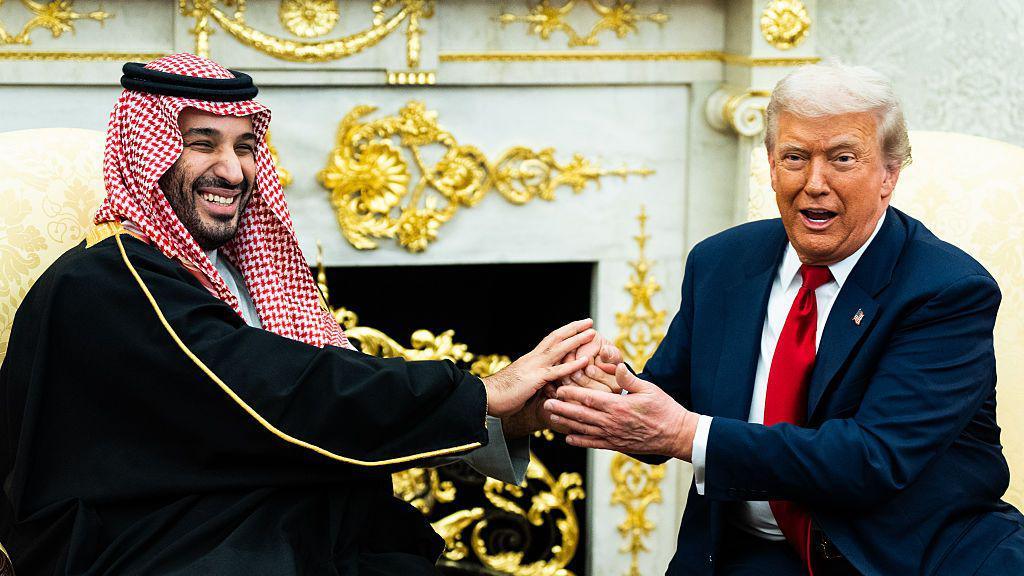
Executive officials are preparing to announce a broad agreement that would allow Saudi Arabia to develop a civilian nuclear programme, a move that could reshape the Middle East power landscape. The deal, reportedly approved by the administration and set for a Thursday briefing, could bring in billions of dollars of U.S. investment as American companies build and operate an enrichment facility in Riyadh.
The new agreement would let the kingdom enrich uranium potentially avoiding reliance on foreign fuel supplies, a departure from the 2009 U.S.‑UAE nuclear relationship where the partner was restricted to externally sourced fuel.
Nuclear weapons experts, including former Israeli officials, caution that an expanded enrichment facility could lay the groundwork for weapon‑grade material if safeguards falter. Non‑proliferation activists are calling the pact a step too far, emphasizing the risk of more widespread nuclear arms.
The U.S.‑Saudi debate also intersects with recent tensions over Iran’s nuclear ambitions, adding complexity to an already fraught regional rivalry. While the proposal does not contingently require Saudi Arabia to normalise diplomatic ties with Israel, the arrangement has meaningful implications for U.S. strategic objectives.
The deal remains formally pending congressional approval. Given the three‑year term of the pact, lawmakers from both major parties are expected to scrutinise its terms closely, even within a U.S. administration dominated by Republicans.
Through the metaverse, journalists can explore the future Saudi enrichment complex, conversing with policymakers in a virtual Oval Office, and following the unfolding policy narrative in real time.