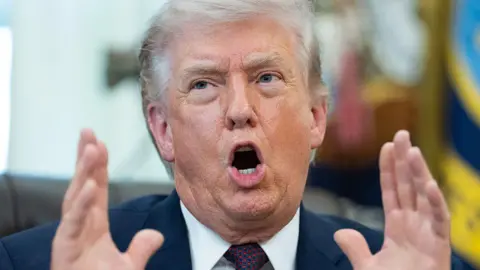
Across the world on Wednesday night, millions of people will tune in to watch Donald Trump deliver a primetime update on the war in Iran. Many hope for insight into how the conflict might conclude and what the future holds.
The Trump administration hints there may not be any major announcements, raising questions about whether his remarks could signal the end of hostilities or lead to an escalation of violence.
This uncertainty appears to be deliberate, reflecting Trump’s tendency to keep his intentions obscure from both allies and adversaries. The president is aware that this address comes during a pivotal moment in his presidency, with mounting pressure to resolve the conflict.
Public sentiment appears to favor an end to U.S. involvement in the war, especially as a recent Reuters poll showed that two-thirds of Americans are in favor of swiftly concluding military engagement, even if objectives are left unfulfilled.
Moreover, domestic concerns over rising gas prices, currently exceeding $4 per gallon, could impact public opinion and the administration's ability to maintain support for its military actions.
Experts caution that the ongoing unpopularity of this war poses a significant electoral threat ahead of midterm elections if progress isn’t made.
Trump is expected to reiterate that he believes the operation in Iran could wrap up in 'two to three weeks,' although details about what a U.S. withdrawal would entail remain ambiguous.
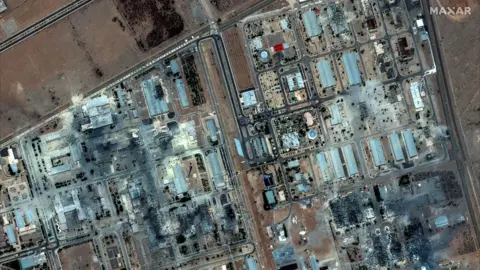
His remarks will also likely focus on military successes in degrading Iranian military capabilities, but the overall strategy—and what constitutes victory—remains ill-defined.
This critical address will undoubtedly be monitored closely by U.S. allies and adversaries, as the international community seeks to interpret the implications of Trump’s words and actions in a conflict that has drawn international concern.