Trump's Controversial Choice: Why Maduro's VP Surpasses a Nobel Winner
Amid the many questions swirling since last weekend's dramatic events in Caracas, a key query remains: why has President Trump backed Delcy Rodríguez, the Vice President to ousted dictator Nicolás Maduro, over María Corina Machado, a prominent and respected Nobel Peace Prize winner?
Rodríguez, a staunch supporter of the Chavista regime, has taken the reins of what U.S. representatives call Venezuela's interim authorities. Trump's administration has expressed a preference for stability over the potential upheaval that could arise from backing Machado's opposition movement, which is believed to have won the 2024 presidential elections.
According to former U.S. ambassador Charles Shapiro, this decision lies in the administration's priority to maintain a sense of order within a nation still grappling with the remnants of a dictatorial regime. They've opted for stability over democracy, remarks Shapiro, warning about the risks involved in such a choice.
Trump publicly dismissed Machado, calling her not respected in Venezuela, which many observers found surprising given her popularity among the electorate. Her movement was massively elected... disqualifying Machado effectively disqualified the whole movement, explained Kevin Whitaker, former deputy chief of mission at the U.S. embassy in Caracas.
The swiftness of Maduro's ousting and Rodríguez's elevation raised speculations regarding possible collusion, suggesting she might have been part of a pre-existing plan. However, some analysts debunk this theory, noting that key military figures loyal to Maduro continue to hold substantial power, making a betrayal unlikely.
A classified U.S. intelligence assessment reportedly concluded that figures like Rodríguez are better positioned to lead a temporary government, highlighting the fear of instability should Machado assume power. As Phil Gunson from the International Crisis Group put it, the administration identified a preference for Rodríguez as a way to mitigate potential chaos.
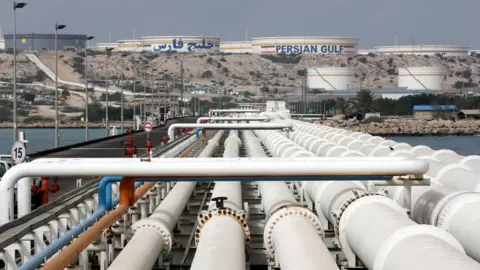
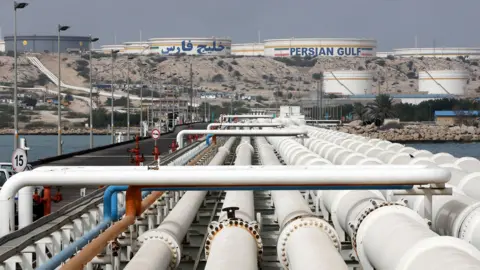
Furthermore, as discussions mature around the future of U.S-Venezuelan relations, there seems to be an acknowledgment that integrating with Rodríguez might yield economic reforms, inviting foreign investment back into Venezuela, especially in the oil sector.
Yet, while the administration gears up for cooperation with Rodríguez, analysts caution this might not translate into real democratic progress or improvement in the lives of ordinary Venezuelans. As Washington sets its sights on stabilizing the nation and resuming oil production, the larger questions of democracy and governance linger in the background, making the long-term outlook for Venezuela uncertain.