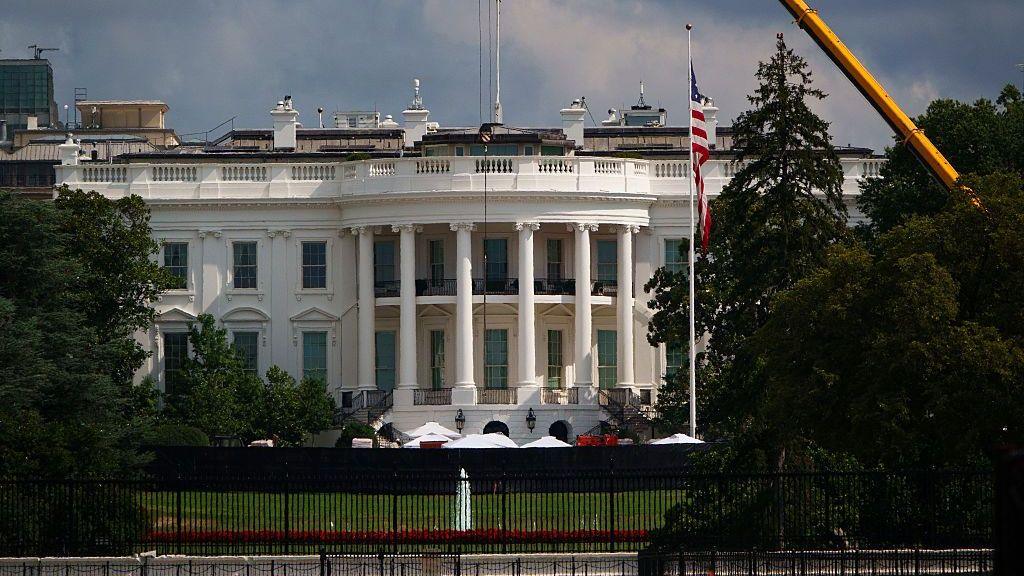
In a headline‑shattering move, President Donald Trump announced on his social media platform that the Department of Justice should launch an investigation into the California vote‑tallying process. He alleges that the state’s delayed counting is a cover for voter fraud and that Democrats are manipulating the system to wipe two Republican hopefuls from the November ballot.
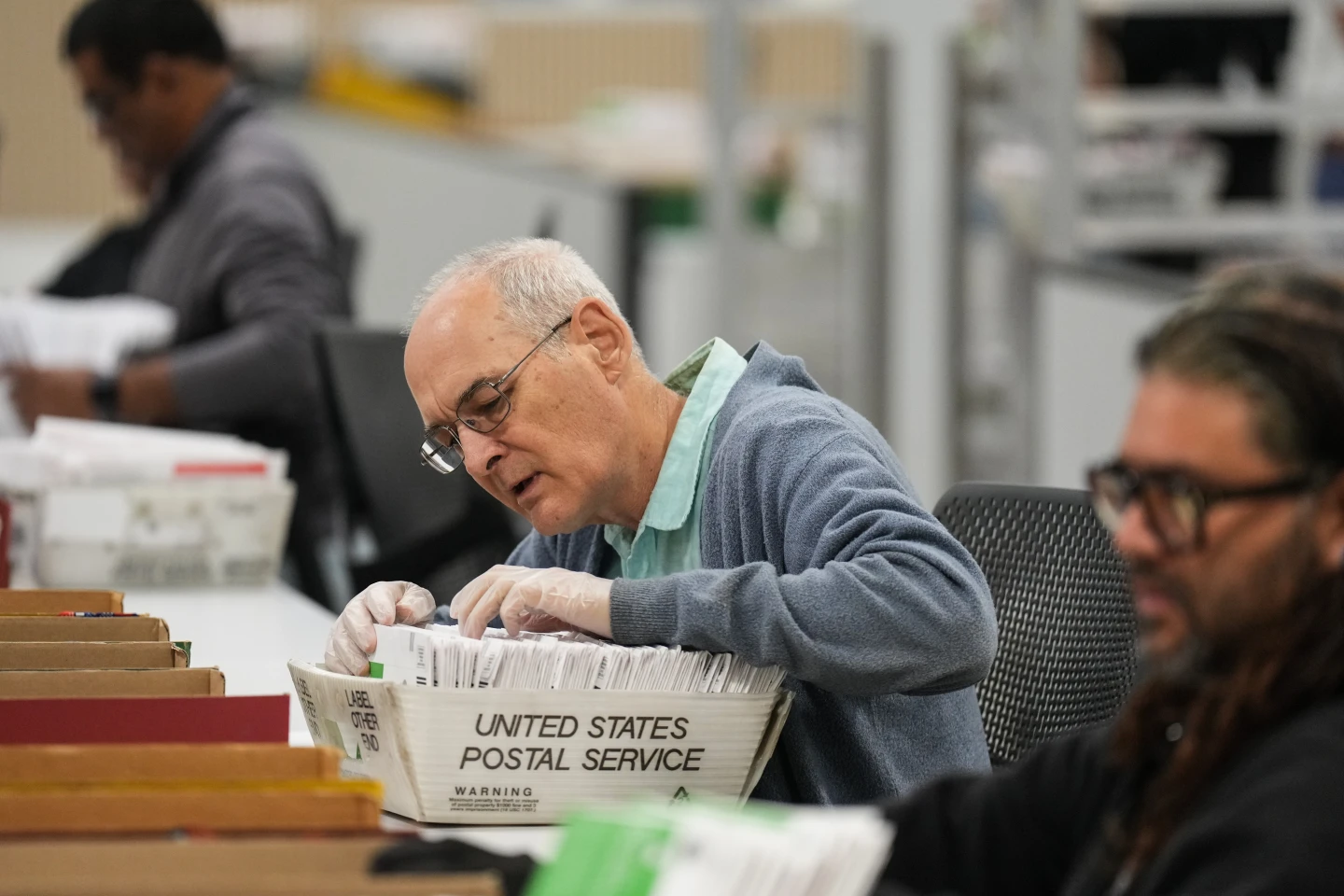
California is currently managing the largest bulk of mail ballots in the nation. The state delivers ballots to all 23 million voters and allows returns that postmark by Election Day to be counted within seven days. After polls close, election officials begin the time‑consuming task of verifying signatures and confirming eligibility for every late‐arriving paper ballot.
While the system is designed to guarantee that every legitimate vote is counted, critics say the extended window opens the door to misinformation. Previous administrations, including the Trump white house, have repeatedly accused California of stalling counts, claiming that the delay benefits one party.
Gov. Gavin Newsom’s office released a video on CNN explaining why California’s laws prioritize accuracy over speed. The video urged the public to trust the rigorous process that ensures every valid vote counts.
“The public has to know that every ballot will be carefully examined,” Newsom said. “Our goal is to preserve the integrity of California’s elections.”
In his own words, Trump called the system a “damn Dumocrat operation” that is poised to “steal the governor and mayor races” from “great Republican candidates.” He also suggested that the slow tally was an excuse to push his allies into the top two spots.
Legal experts point to a 2025 law that instituted a 13‑day deadline for completing counts, down from 30 days. Under the new rule, counties can request extensions only if they provide the Secretary of State with a documented reason.
“We might not like how California administers its elections,” one former Republican election official remarked on X. “But that doesn’t make it fraud.”
Experts say that the delayed ballots tend to lean Democratic, as Republicans are more likely to vote in person or return ballots early. The gradual shift, many argue, can distort early projections, fueling conspiracy theories that the state is rigged to favor Democrats.
Meanwhile, the Republican National Committee has filed legal challenges in several states, pushing the Supreme Court to rule on the legality of after‑Election Day mail ballots. The California count may be a touchstone case for the larger national debate.
Comments from lawmakers indicate a need for more funding for local election offices to speed up the process without compromising accuracy. “The Legislature needs to throw a lot more money to get the count quicker,” said UCLA law professor Rick Hasen.
At the end of the day, California’s application of the law underlines a complicated mix: an attempt to maximize the accuracy and accessibility of voting, even if that takes weeks, while political actors on all sides seek to interpret the outcomes to their advantage.
}