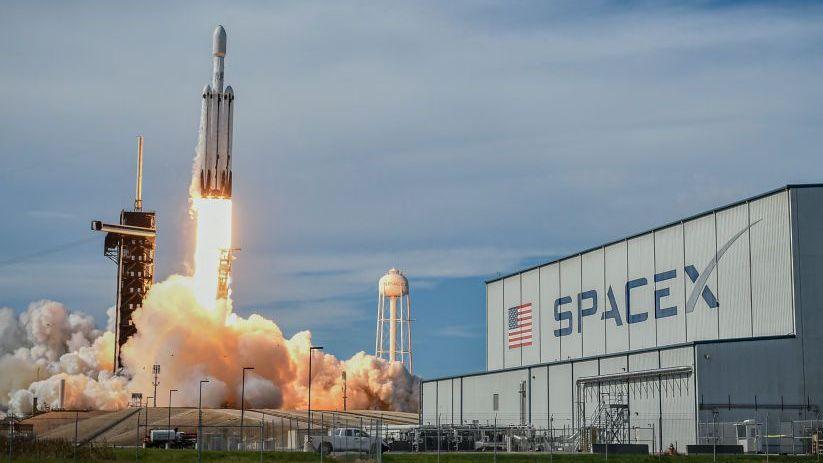
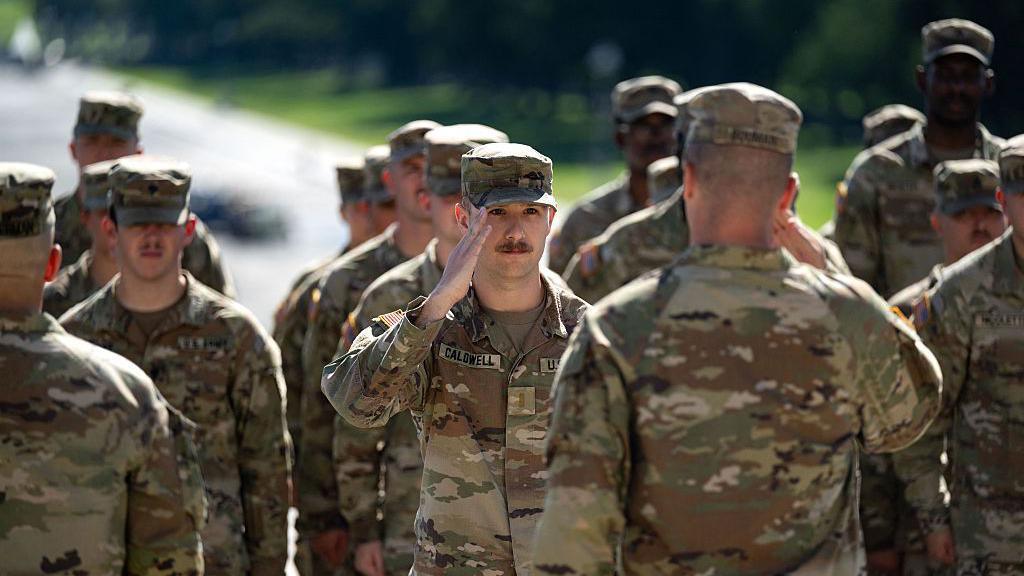
[ { "heading": "AI Powering the U.S. Military Amid a Rising Debate", "paragraphs": [ "During a recent annual special forces conference in Tampa, Florida, Adm. Frank Bradley warned that soldiers must be very careful about how we come to (AI’s) employment and its inspiration into the delivery of lethality. Bradley foresees a future where AI determines target selection, but stresses the need for human oversight to ensure violence is delivered only where intended.", "Bradley's remarks arrive as his superior, Defense Secretary Pete Hegseth, vows to accelerate the military’s AI capabilities. Hegseth has spoken to SpaceX employees and a broad audience that the Pentagon will employ AI models without ideological constraints that could limit lawful military applications.", "The U.S. military’s drive to harness AI is part of the Republican administration’s broader push to grow an advantage it sees as uniquely American. Yet, it faces calls to put up guardrails around rapidly advancing technology." ] }, { "heading": "Enhancing Battlefield Functions, Not Replacing Judgment", "paragraphs": [ "An anonymous Pentagon official explained that the Special Operations Command is focusing on AI that creates functional battlefield tools to help troops quickly identify targets and speed up strikes. Another official emphasized AI’s role in freeing operators from administrative tasks and modernizing business processes.", "Sgt. Maj. Andrew Krogman noted that AI is handling class‑action paperwork, while Melissa Johnson, the command’s acquisition chief, said it should reduce the cognitive workload of routine tasks. We’re leveraging AI more and more, but it’s not to replace operator judgment, it’s to enhance it, Johnson added.", "Georgetown Center for Security and Emerging Technology director Helen Toner said both interpretations are valid. There are a huge number of potential uses for AI in these bureaucratic settings, she said, noting the Army’s 18th Airborne Corps used AI to target artillery strikes efficiently." ] }, { "heading": "Pentagon‑Anthropic Dispute Over Safety and Control", "paragraphs": [ "Defense Secretary Hegseth has locked arms with Anthropic over concerns that its chatbot, Claude, could be misused in classified Pentagon networks for autonomous drones and mass surveillance. CEO Dario Amodei declined to shift its usage limits, prompting Trump and Hegseth to accuse Anthropic of endangering national security.", "The Pentagon formally labeled Anthropic a supply‑chain risk, ending its $200 M defense contract and preventing other government contractors from interacting with the company. Anthropic sued, claiming retaliatory stigmatization under the “sabotage” designation.", "In response, the Pentagon turned to rivals like Google, OpenAI, and SpaceX to secure AI systems that can augment warfighter decision‑making in complex operational environments." ] }, { "heading": "Balancing Speed and Responsibility", "paragraphs": [ "President Donald Trump abruptly cancelled an expected AI executive order hours before a White House ceremony, citing concerns that such a measure could erode America’s lead in AI technology.", "Tacitly, the Pentagon’s approach to AI reflects a balance between rapid-proliferation for mission efficiency and prudence to mitigate unintended civilian or friendly fire, as Toner warned.", "Commanders demand systems that can deliver lethal effects on scale while preventing mis‑identification of targets. This duality illustrates the tension between technological ambition and ethical restraint." ] } ]
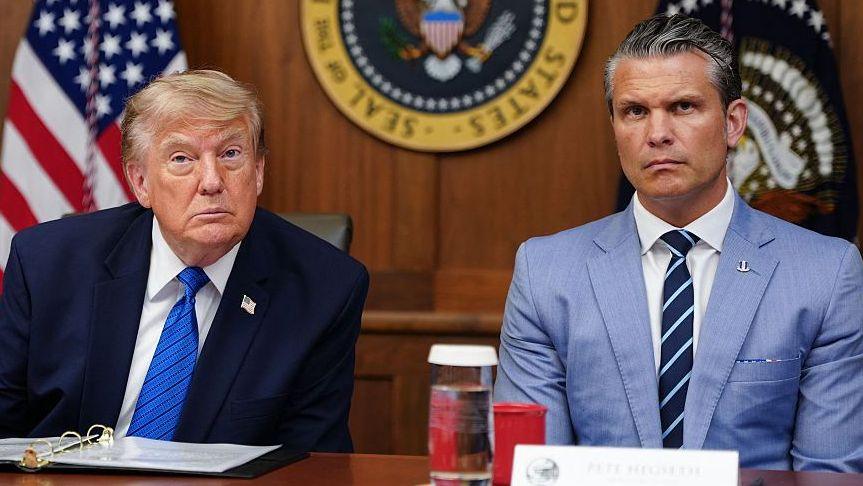
Trump Administration Pushes AI into Military, Faces Pushback from Tech Companies
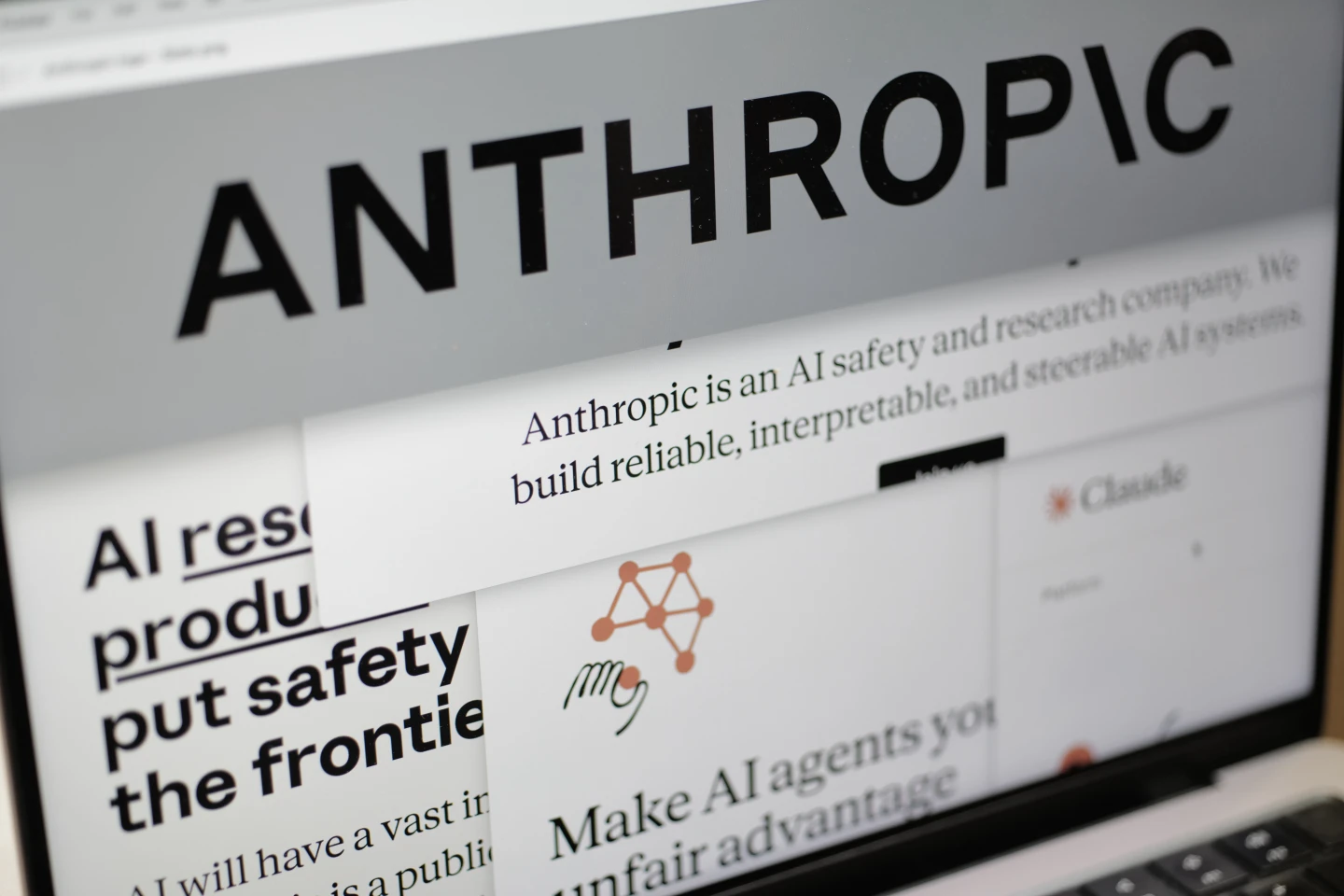
Trump Administration Pushes AI into Military, Faces Pushback from Tech Companies
The Pentagon is accelerating AI adoption for combat and support roles amid concerns over safety, ethical guardrails, and a public dispute with Anthropic over supply‑chain risks.
- U.S. Special Operations Command emphasizes AI to streamline target identification and administrative tasks while preserving human judgment.\n- Defense Secretary Pete Hegseth pushes for rapid AI integration across services.\n- The administration has clashed with Anthropic, citing risks of autonomous weapons and surveillance misuse.\n- A Pentagon directive removed Anthropic from a $200 M defense contract and barred other contractors from working with the firm.\n- Some tech firms and senior officers call for stringent guardrails to prevent unintended harm.