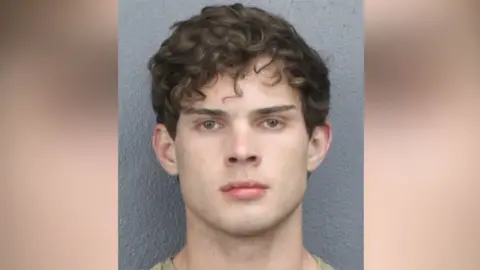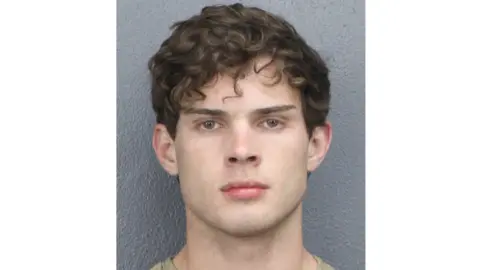
PROVIDENCE, R.I. — In a startling incident just before the Thanksgiving holiday, Claudio Neves Valente, a 48-year-old former student of Brown University, was identified as the perpetrator of a shooting on campus that resulted in two fatalities and multiple injuries.
Valente, a Portuguese national, had checked into a hotel in Boston and was seen frequenting Brown University, where he had once studied physics 25 years prior. His return to the campus, particularly during the traditional holiday break when many students were away, raised suspicions after several sightings of him in and around Brown.
On December 13, Neves Valente returned to the university's engineering building armed with a 9 mm handgun, opening fire indiscriminately in a lecture hall during a study session, killing two students and injuring nine others. After fleeing the scene, he later fatally shot his former classmate, MIT professor Nuno F.G. Loureiro, at the professor's home in Brookline, Massachusetts.
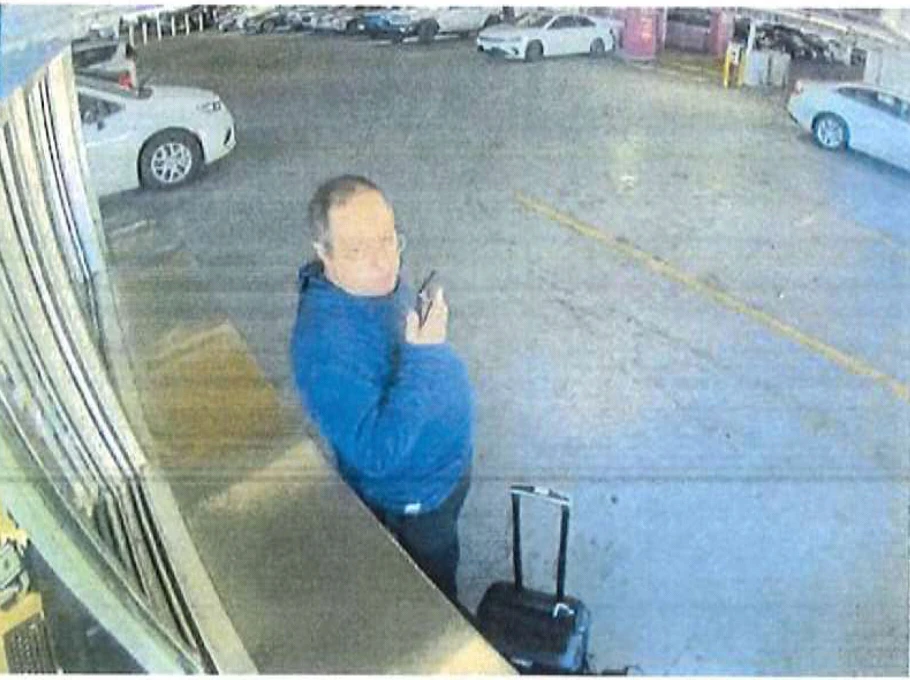
Authorities were initially baffled, releasing footage of the masked gunman in hopes that someone might recognize him. Frustrations mounted as the police faced challenges in identifying and apprehending Valente, who carefully concealed his identity.
Before the horrific shooting spree, Valente had been seen sporadically around the Brown campus. Surveillance footage revealed his sporadic presence in the vicinity, leading investigators to explore his intentions leading to the tragic event. Witnesses recalled engaging encounters with him prior to the shooting, yet none could provide a name or prior link to Valente.
Amidst their investigation, police followed a pivotal tip from a witness that initiated a breakthrough in the case, allowing them to track Valente’s vehicle movements through a citywide network of surveillance cameras.
As the details unfold, this tragic incident has ignited conversations about university safety protocols and mental health support, particularly for alumni returning to campus, raising urgent questions about the preventative measures that can be taken to avert such tragedies in the future.