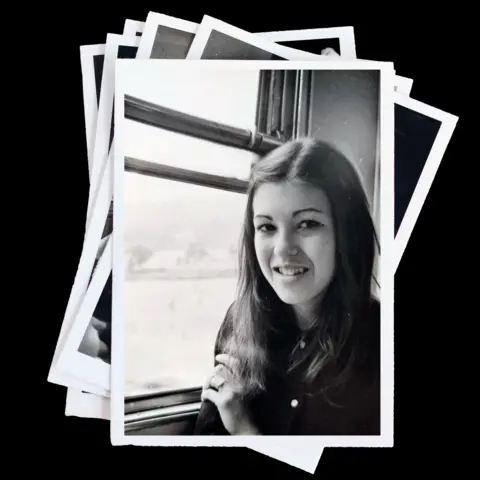
Marina Freixa always knew there was something dark and unspoken about her family. Her mother had grown up during Spain's dictatorship, but the specifics were shrouded in mystery. It wasn't until a Christmas dinner when her mother, Mariona Roca Tort, finally began to recount her painful past.
Mariona revealed that at just 17, she had been reported to the authorities by her own parents for refusing to conform to the Franco regime's strict Catholic principles. This led to her imprisonment in a reformatory—a place where young women who challenged societal norms were sent as a means of 're-education'.
The revelations stunned Marina and her cousins, who struggled to comprehend the betrayal by their grandparents. Mariona's memories of her time in the institution are blurred, a consequence of the psychiatric treatments forced upon her, including insulin coma therapy, which was used in a misguided attempt to alter her behavior.
As Mariona navigated her harsh reality in the convents associated with the Patronato de Protección a la Mujer, she became a victim of a system that sought to silence her spirit. She was one of many women whose lives were impacted by the regime’s need to control and conform women under the guise of morality.
The 50th anniversary of Franco's death is approaching, and survivors like Mariona are still seeking recognition for their suffering. Marina, motivated by her mother's story, directed a documentary titled 'Els Buits', highlighting the injustices faced by these women. The film has sparked discussions about the systemic misogyny of the past and the need for justice for those wronged by the regime.
Marina and Mariona tour with the documentary, sharing their story with communities, allowing other women to recount their experiences, reinforcing the painful truth that many faced similar trials. Women's stories of suffering under Franco's rule are no longer confined to whispers but are gaining a platform—a crucial step in seeking acknowledgment and healing from a dark chapter in Spain's history.