In brief
Las Vegas buffets, once a hallmark of affordable dining in the city, have evolved significantly over the past 80 years. Beginning with the Buckaroo Buffet in 1943, these dining experiences have transitioned from budget-friendly options to luxurious feasts costing up to $175. A combination of economic pressures and shifts in consumer tastes has led to a dramatic decrease in the number of buffets still operating, with many being replaced by trendy food halls and high-end restaurants. Industry experts believe that while the character of buffets continues to change, they will remain a vital aspect of Las Vegas's dining scene.
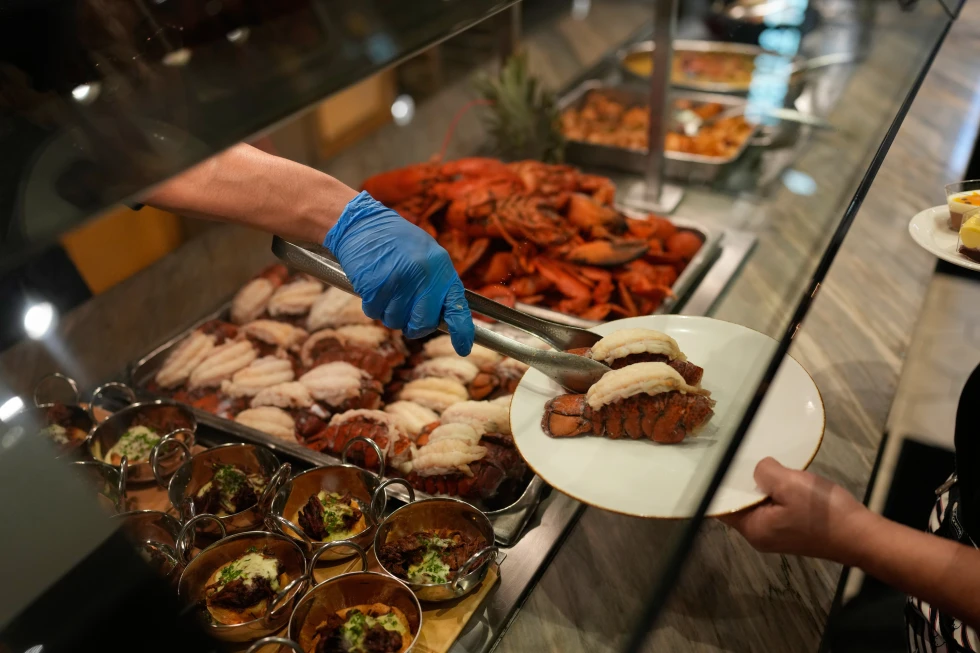
LAS VEGAS (AP) — Eighty years ago, the first Las Vegas buffet opened with the $1 western-themed Buckaroo Buffet that offered cold cuts and cheese. Today, visitors can drop $175 on luxury buffets with lobster tail, prime rib, and limitless drinks.
The old Las Vegas buffets didn’t make much money, but they allowed people to eat cheaply and quickly, giving them more time to spend their money on the casino floor.
However, the number of buffets has dwindled to around a dozen on the Las Vegas Strip, many having closed during the COVID-19 pandemic and chosen not to reopen due to rising prices.
Old favorites like the Carnival World Buffet at the Rio, which once boasted over 300 international dishes, and ARIA’s buffet, known for its Indian cuisine, are now part of Las Vegas's culinary history, replaced by food halls and fewer, pricier buffets.
For many longtime visitors, the decline of buffets symbolizes a broader change in Las Vegas—a departure from its reputation as an affordable vacation destination. Jeff Gordon, a frequent visitor, recalls the excitement of newbie experiences from the $1.99 buffets to the opulent displays at present-day eateries.
As Al Mancini, a food journalist in Las Vegas, points out, not only have buffets adjusted their offerings to include more upscale dining experiences, but they’ve also transformed into entertainment hubs in their own right, complete with themed nights and performances. The sheer scale of high-end buffets — with mountains of crab legs and artistic displays — remains a draw for tourists.
While some mourn the disappearance of affordable buffets, experts note that these dining fixtures adapting to changing consumer demands ensures they remain a pivotal part of Las Vegas's future.