In brief
In a unique approach to wildlife management, states in North America have swapped wild turkeys for various animals, contributing to the remarkable restoration of turkey populations from a mere few thousand in the 1800s to approximately 7 million today. Innovative trading included exchanges between states and provinces, highlighting the collaborative effort in conservation.
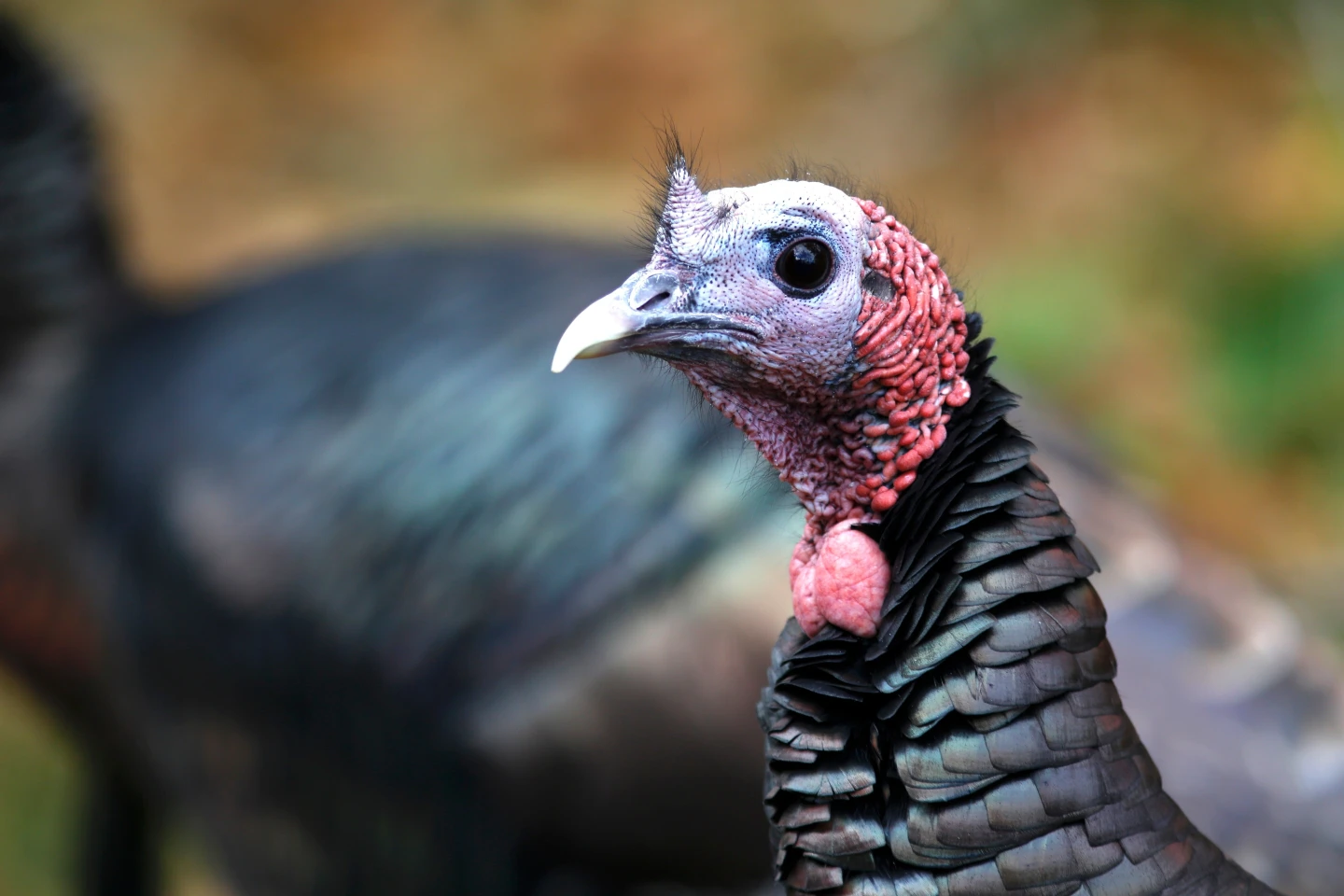
In North America, no one imagines a weasel on their Thanksgiving table, yet swapping turkeys for various animals was historically prevalent. This trading system became pivotal in one of the continent's major conservation triumphs. Wild turkey populations plummeted to a mere few thousand in the late 1880s but have since surged to around 7 million across 49 states and parts of Canada and Mexico, supported by the National Wild Turkey Federation.
The restoration of turkey populations often relied on trading, with states exchanging turkey stocks for other wildlife to bolster their ecosystems—Oklahoma once swapped fish and prairie chickens for turkeys, while West Virginia traded birds for fishers and other species. Patt Dorsey, a director at the National Wild Turkey Federation, remarked, Wildlife biologists don’t suffer from a lack of creativity.
West Virginia notably had an abundance of turkeys, sending flocks to states including New Hampshire, where they had been absent for generations. These restoration efforts were not solely for the benefit of turkey populations but also aimed to restore other land biodiversity. As Holly Morris of the West Virginia Division of Natural Resources stated, They were like our currency for all our wildlife that we restored. Over the decades, management of these populations has led to thriving turkey numbers in various states, highlighting the significance of collaboration in conservation efforts.
Ultimately, the resurgence of wild turkeys showcases not only the vitality of biodiversity but also the benefits of cooperative conservation as these birds continue to play a vital role in North America’s ecosystems.