In brief
With an estimated 10 million civilian‑owned guns, Thailand faces a pervasive gun‑crime problem that spans school shootings, personal disputes, and corruption. Incidents such as the 14‑year‑old’s school massacre and the male politician’s shooting of a friend underline how easily a firearm can turn a trivial dispute into tragedy. The government has repeatedly tightened gun laws, banning discount schemes and pushing for stricter possession permits, yet the culture of weapon ownership persists. Analysts argue that Thailand’s market for unlicensed guns, lax enforcement, and military‑influenced society continue to fuel the issue.
Within a span of days, Thailand witnessed a chain of violent incidents that stretched from a young school‑grade shooting to a former politician’s deadly altercation with a colleague, setting a bleak tone for the country’s gun culture.
Thailand’s gun population is staggering – over 10 million of civilian‑owned firearms, 4 million unlicensed – a number that dwarfs neighboring nations.
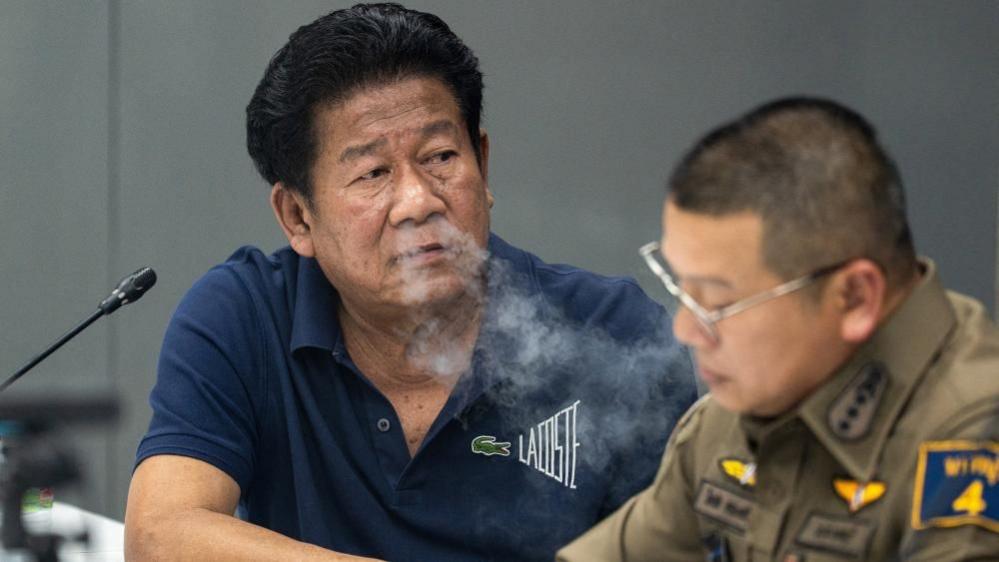
In February, a 14‑year‑old opened fire at his school, killing eight and then taking his own life. Three days later, 71‑year‑old politician Chalong Riewrang entered an administration office, left a gun and fired four bullets through a car window, killing the driver and the chief office‑holder with whom he had a minor dispute. The gunman, who declared he did not intend to shoot his friend, calmly spoke to reporters while smoking a cigarette, turning the courtroom into a haunting reflection of Thailand’s firearm accessibility.
Simultaneously in Prachinburi, a police sergeant shot his wife while driving, then turned the car into a suicide scene after an argument. By that morning, multiple gun deaths were recorded, with regulatory authorities estimating 2,000 to 3,000 deaths a year – a stark contrast to the UK’s under 50.
Despite strict‑themed laws that require purchase permits and further “possession” and “carry” permits, loopholes persist. Permits can remain valid for life, no mental‑health checks are mandated and storage is unregulated. The government’s discounted purchase scheme for police and officials, have in the past spurred a lucrative resale market and sub‑conscious black‑market limb.
To respond, Prime Minister Anutin Charnvirakul has ordered the suspension of the discount scheme and the halt to all new purchase licences, proposing limits on possession permits and a possible amnesty for unlicensed owners. Yet, the patterns of enforcement remain stubbornly lax, with officials themselves owning dozens of guns, and public sentiment still praises firearms as symbols of power.
The cultural backdrop is profound: children are encouraged to visit army bases, schools often display weaponry, reinforcing a societal narrative that links firearms with status and security. Against this backdrop, activists warn that new, more stringent laws may only threaten ordinary civilians’ right to self‑defence, while the relentless supply of unlicensed and counterfeit armaments keep the threat alive.
Internationally, Thailand’s 10‑million gun count stands out in a region where Vietnam, Indonesia, and Malaysia report far fewer civilian guns. Comparable levels appear only in the Philippines. The confluence of market, culture, and corruption thus positions Thailand as a unique outlier in Southeast Asia’s discussion on gun control.