In brief
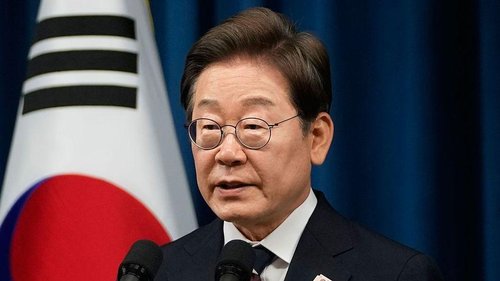
On December 3, 2024, South Korean President Yoon Suk Yeol declared an emergency martial law, only to rescind it hours later after widespread protests erupted across the nation. This startling decision raised alarms about the stability of the South Korean democracy, which has a history intertwined with military rule.
The unprecedented move came late Tuesday evening, at 10:30 p.m. local time, when Yoon attempted to exert control over the turbulent political landscape of a deeply divided nation. However, his declaration faced immediate backlash, as opposition lawmakers swiftly mobilized in the National Assembly. By dawn the following day, they had passed a resolution demanding an end to the martial law, leading to Yoon’s hasty retreat—lifting the emergency measures just five and a half hours after their introduction during a Cabinet meeting.The rapid development highlighted the fragility of Yoon's presidency and ignited calls for his impeachment from opposition groups, further intensifying the political chaos in a country that had recently experienced its own social upheaval. As thousands protested outside the National Assembly in Seoul, their demand for the end of martial law reflected public discontent with the government’s heavy-handed tactics reminiscent of earlier eras in South Korea's history.