In brief
The Supreme Court’s final decision of the term strengthened President Trump’s broad authority over independent regulatory bodies. However, the Court also struck down a presidential order that would have enabled Trump to remove a Federal Reserve governor, upheld rules allowing mail‑in ballots postmarked on election day, and left a $5 million defamation judgment against him in place. The rulings illustrate a complex split among the Justices, with all six conservatives siding with Trump on the regulator issue but the liberal faction and two conservatives opposing his other key policy moves.
The final decision of the Supreme Court term delivered a decisive victory for President Trump on the issue of presidential power over so‑called independent regulators, while the Court simultaneously denied several of his other high‑stakes priorities.
1. Sweeping Authority Over Regulators
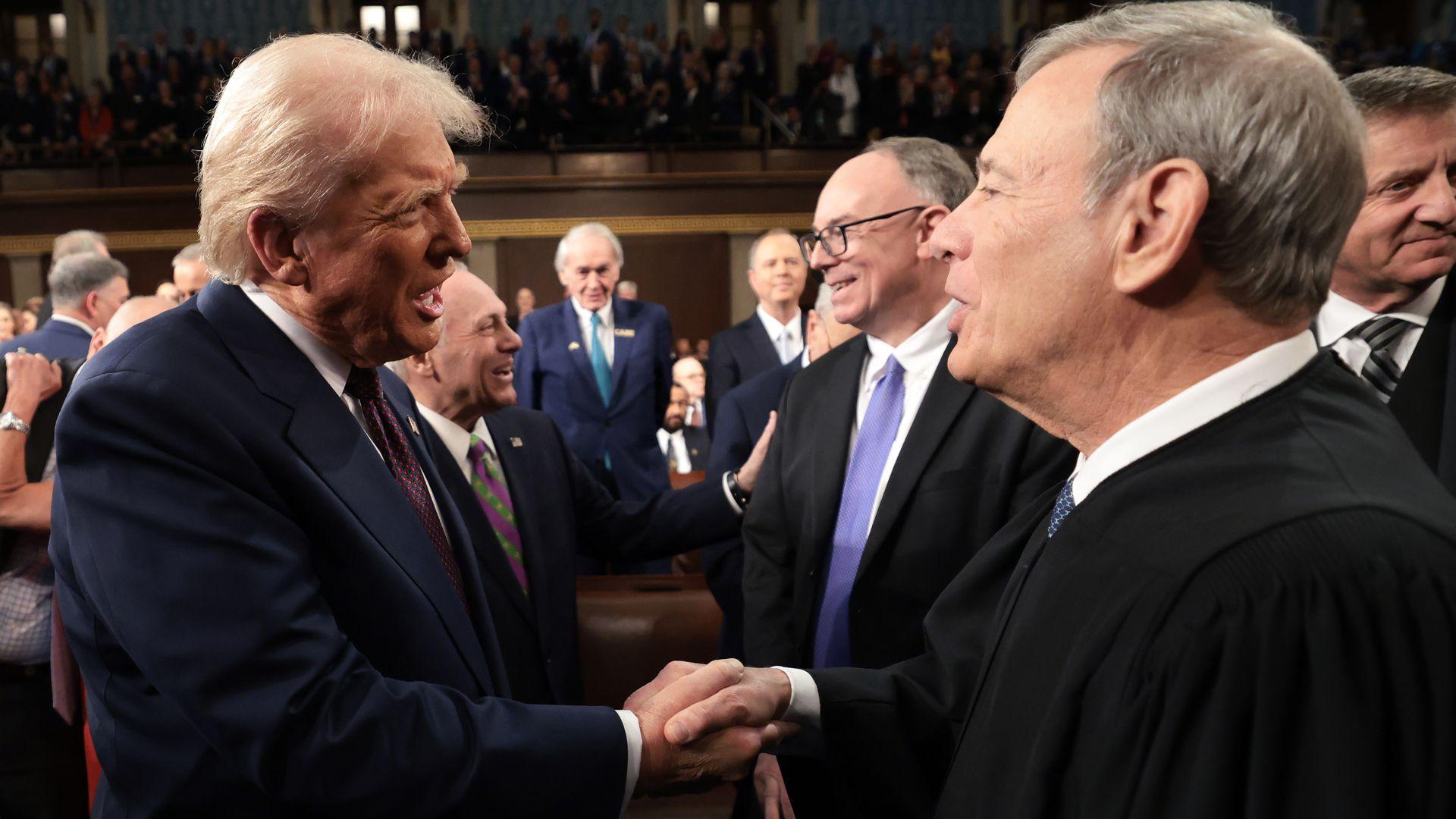
On this landmark ruling, Chief Justice John Roberts wrote that a president can remove and replace regulators who execute the president’s directives, overturning a 90‑year precedent set in the 1930s that insulated such appointments from executive interference.
2. Democratic Opponents Forge Unexpected Alliances
In a narrow five‑to‑four vote, Roberts and Justice Brett Kavanaugh sided with the liberal Justices to block the president’s attempt to remove Federal Reserve Governor Lisa Cook, a move that would have disrupted the central bank’s operations.
3. Mail‑In Ballot Rules and Defamation Judgment
The Court upheld regulation allowing mail‑in ballots that were postmarked on election day even if received after the deadline, rejecting President Trump’s claims that such practices could lead to fraud. At the same time, the Court declined to review a $5 million civil judgment in a defamation case against the former president, effectively leaving the ruling in place.
Key Takeaways
- President gains expansive control over regulatory agencies.
- Support is split across ideological lines, with liberal Justices aiding conservatives in some decisions.
- Certain policy goals, such as election‑law reform and central‑banker replacement, remain stalled.
This day demonstrates the Supreme Court’s role as a critical counterbalance in the executive branch, shaping the limits of presidential action for the next administration.