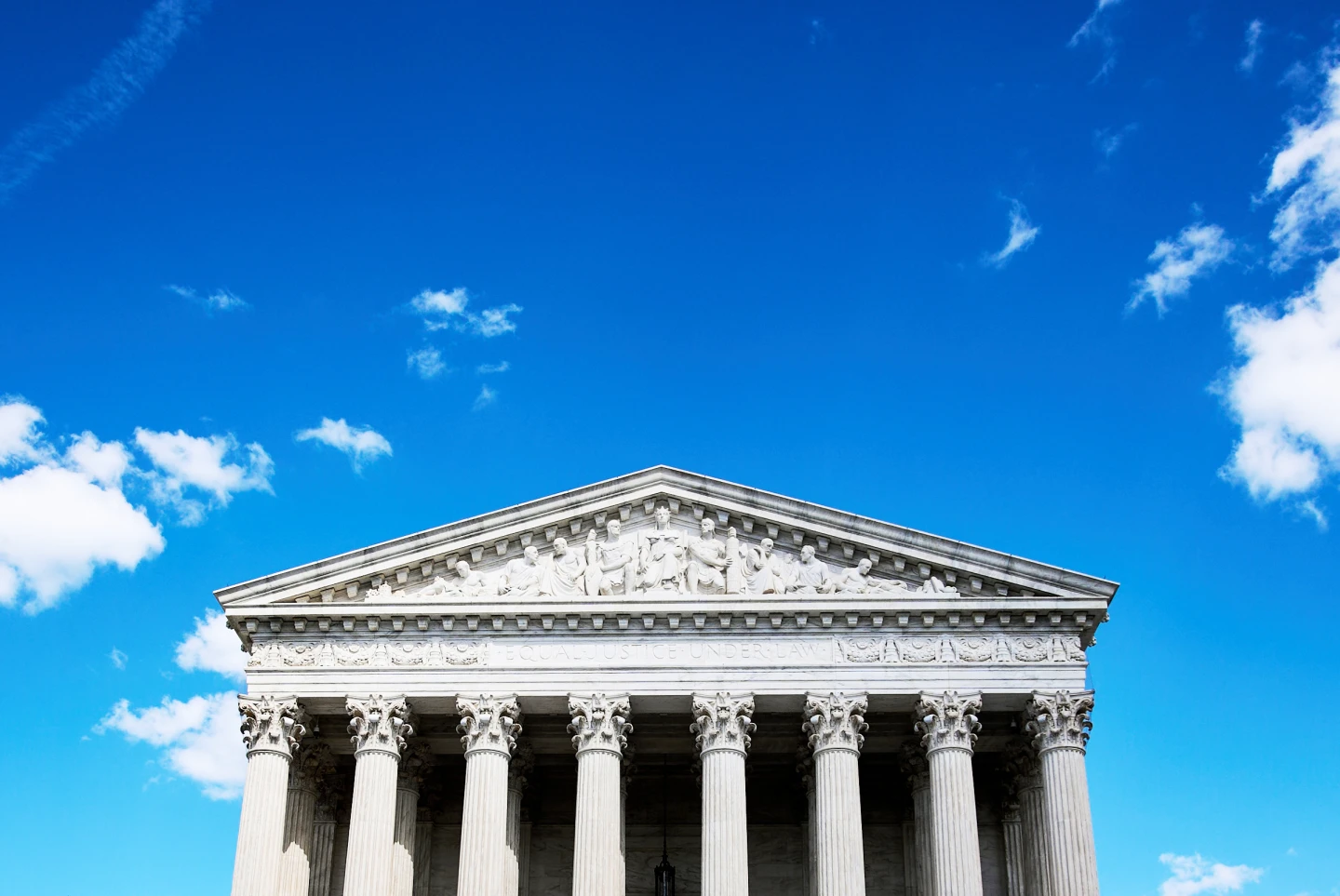
WASHINGTON — The Supreme Court has returned to the presidential line of authority in a case that could keep the Trump administration’s limits on immigration judges’ public speech in place. In a 5‑to‑4 decision issued Tuesday, the Court overruled a 4th Circuit ruling that had allowed the case to move forward, saying that the dispute should be handled by the Merit Systems Protection Board.
Immigration judges, who sit in the federal administration rather than in the federal judiciary, sued in 2020 over a policy that began in Trump’s first term and stayed in place under President Joe Biden. The policy caps the amount that judges may discuss immigration policy publicly. The judges argued that the restriction infringed on their First‑Amendment rights and should be addressed in federal court.
The administration disagreed, insisting that the matter falls under the federal complaint system overseen by the Merit Systems Protection Board. The Court’s decision was based on procedural grounds: the lower court had “political controversies of the day” as its underlying reason for allowing the case to proceed. Justice Clarence Thomas, joined by Justice Amy Coney Barrett, sharply criticized the 4th Circuit for letting partisan politics dictate jurisdiction.
The same ruling comes a day after the Court weighed a separate lawsuit about President Trump’s power to fire the heads of independent agencies. The outcome could influence precedent for how the Merit Board itself is staffed.
The National Association of Immigration Judges – the union representing the very judges at the center of the lawsuit – issued a statement expressing disappointment. Justice can no longer endure when judges are silenced by intimidation, and a nation cannot remain free when the rule of law comes second to political ambition, the association said.
Acting Attorney General Todd Blanche applauded the Court’s decision, posting in social‑media that it sends a clear message: lower courts must respect the law, regardless of today's 'political controversies.'
The Court’s ruling is far from a final stop, as the judges are expected to pursue the matter through the Merit Systems Protection Board and possibly in lower courts again. For now, the policy remains in effect, and the Supreme Court has further cemented its role in reinforcing executive authority over federal agencies.
For real‑time updates on the Supreme Court, follow the AP’s live coverage at https://apnews.com/hub/us-supreme-court.}
Immigration judges, who sit in the federal administration rather than in the federal judiciary, sued in 2020 over a policy that began in Trump’s first term and stayed in place under President Joe Biden. The policy caps the amount that judges may discuss immigration policy publicly. The judges argued that the restriction infringed on their First‑Amendment rights and should be addressed in federal court.
The administration disagreed, insisting that the matter falls under the federal complaint system overseen by the Merit Systems Protection Board. The Court’s decision was based on procedural grounds: the lower court had “political controversies of the day” as its underlying reason for allowing the case to proceed. Justice Clarence Thomas, joined by Justice Amy Coney Barrett, sharply criticized the 4th Circuit for letting partisan politics dictate jurisdiction.
The same ruling comes a day after the Court weighed a separate lawsuit about President Trump’s power to fire the heads of independent agencies. The outcome could influence precedent for how the Merit Board itself is staffed.
The National Association of Immigration Judges – the union representing the very judges at the center of the lawsuit – issued a statement expressing disappointment. Justice can no longer endure when judges are silenced by intimidation, and a nation cannot remain free when the rule of law comes second to political ambition, the association said.
Acting Attorney General Todd Blanche applauded the Court’s decision, posting in social‑media that it sends a clear message: lower courts must respect the law, regardless of today's 'political controversies.'
The Court’s ruling is far from a final stop, as the judges are expected to pursue the matter through the Merit Systems Protection Board and possibly in lower courts again. For now, the policy remains in effect, and the Supreme Court has further cemented its role in reinforcing executive authority over federal agencies.
For real‑time updates on the Supreme Court, follow the AP’s live coverage at https://apnews.com/hub/us-supreme-court.}