In brief
Massive protests have erupted across Spain after Parliament rejected rent‑relief decree‑laws following the eviction of an elderly woman. This backlash highlights deep societal frustration over rising rents and stagnating wages. The government’s failure to pass the measures signals a fragile political climate that could trigger an early general election. Analysts warn that if the crisis continues, coalition instability may force a snap vote soon, reshaping the country’s political map.
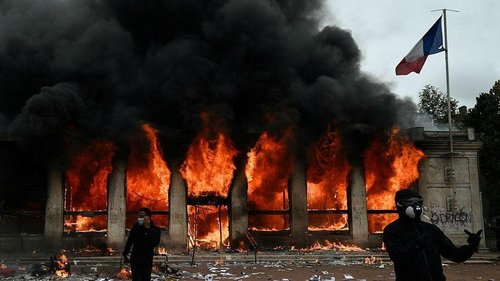
Protesters have taken to the streets across Spain after Parliament voted down two decree‑laws aimed at easing a mounting rent crisis, following the eviction of 87‑year‑old Maricarmen Abascal.
Abascal was removed from her flat when she could not afford a sharp rent increase imposed by the building’s landlord, a case that ignited a nationwide movement demanding affordable rentals.
In the wake of the protests, the government presented decree‑laws hoping to calm tensions, but lawmakers rejected both measures in a vote that shows the Parliament is far from unified on housing policy.
Analysts warn that the failure to address the crisis could push the ruling coalition to call an early general election, even though the next scheduled vote is set for next summer.
The BBC team is on the ground in Madrid, where demonstrators are chanting for rent caps and stronger tenant protections, and experts will debate whether the current turmoil will reshape Spain’s political landscape.
“The housing crisis is no longer a policy debate; it’s a social emergency that could dictate our next election,” senior policy analyst Maria López said.