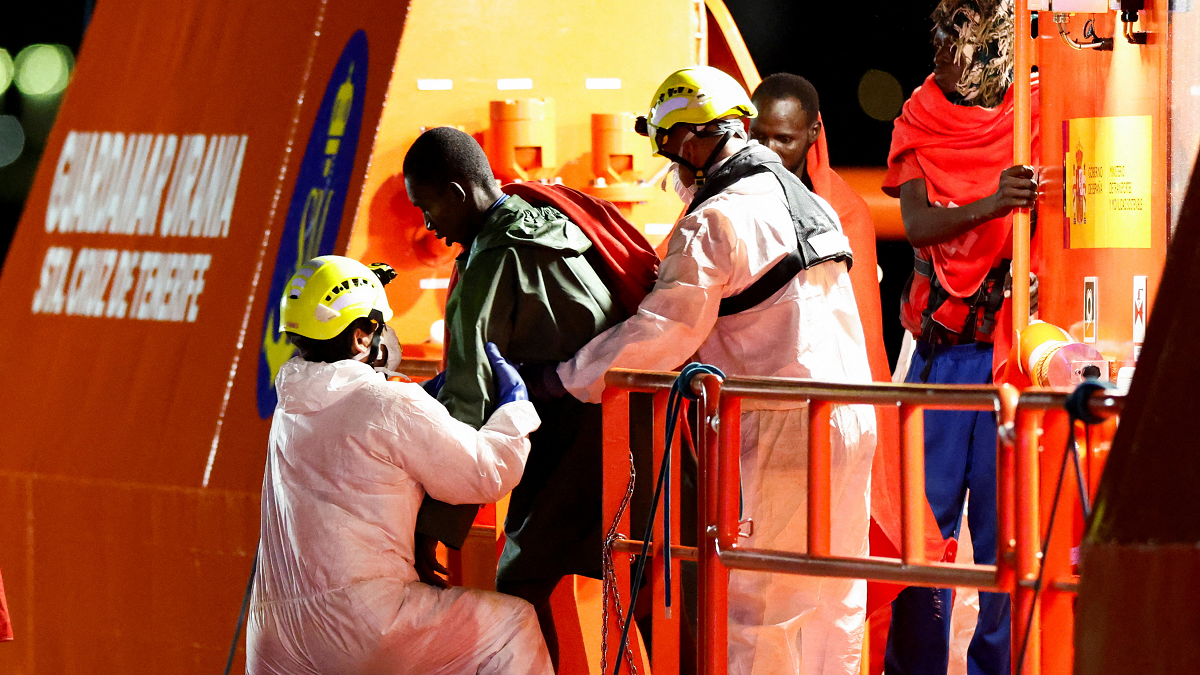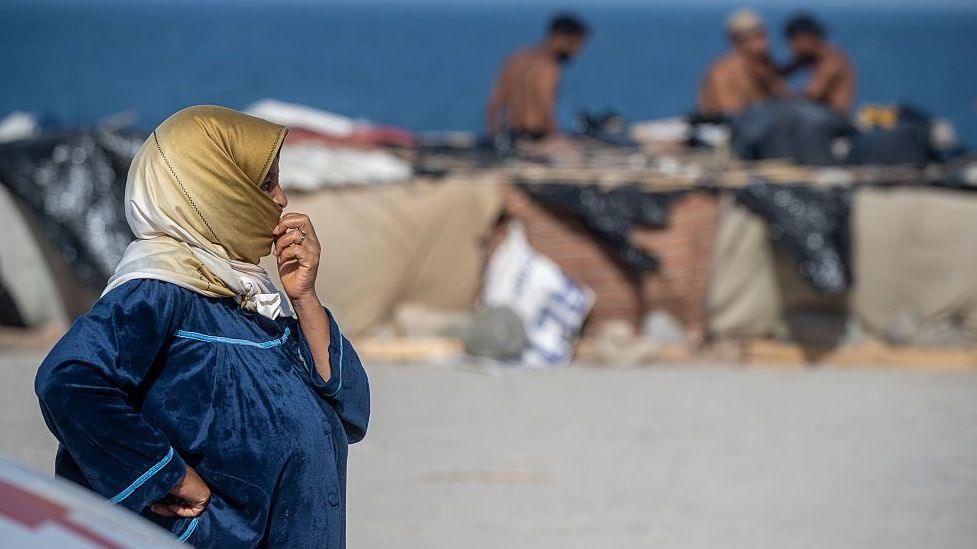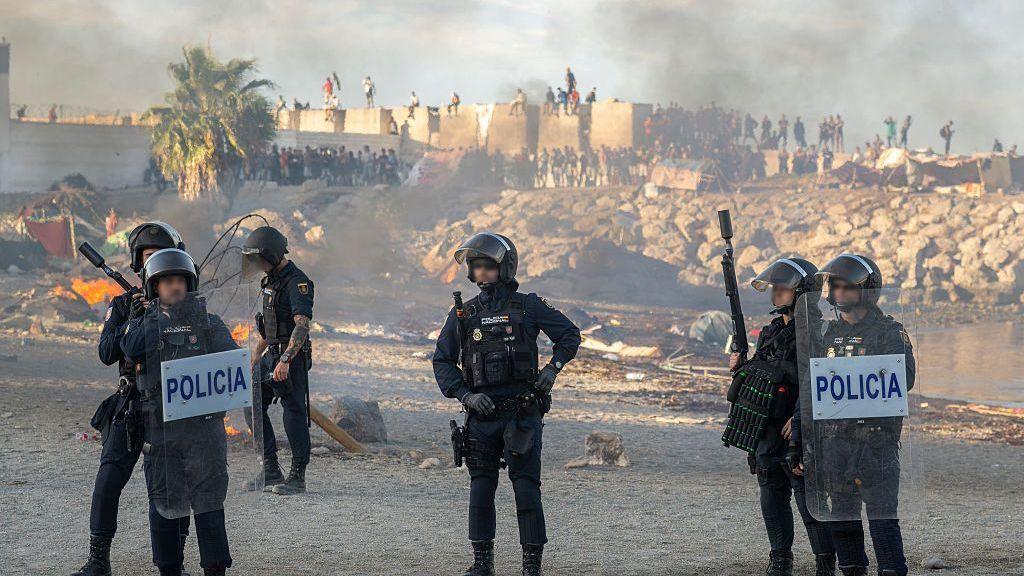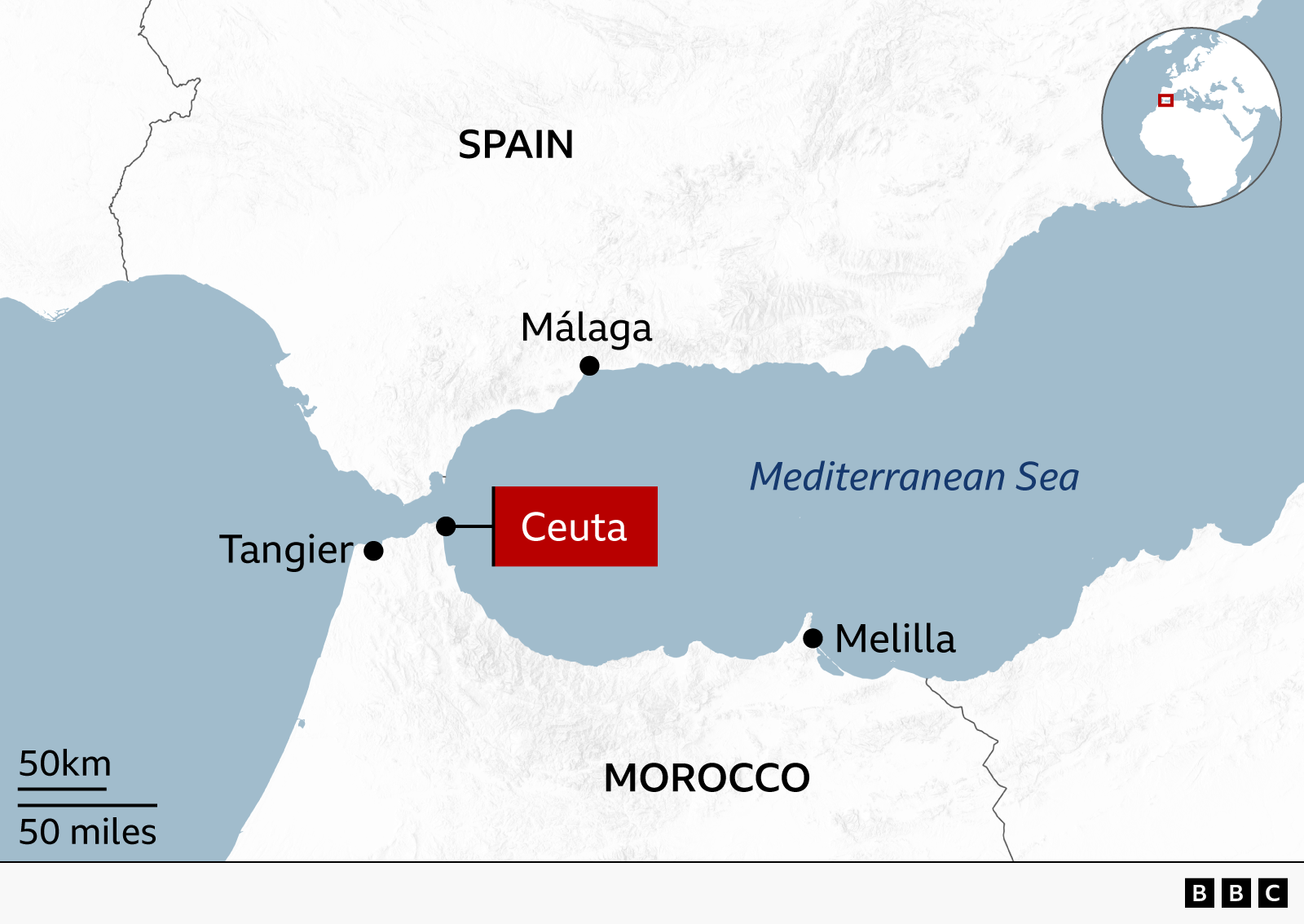
In a dramatic turn of events, thousands of migrants from Morocco entered Spain’s Enclave of Ceuta by swimming across the Strait of Gibraltar, turning the once‑quiet coast into a scene of chaos and tragedy.
At least fifteen people lost their lives in the attempt to cross the water, before Spanish troops and Civil Guard were rushed to the beach to restore order.
Local officials had long warned Madrid of a potential breach of security, which seemed to have materialised in a burst of illegal crossings that abandoned traditional border checkpoints.
The Spanish Interior Ministry has accused human‑traffic organisations of leveraging the situation to "encourage the flow of undocumented migrants", citing the lack of coordination and the surge in unlawful movements.
Amid the crisis, the Supreme Court ruled that migrants detained in sea crossings could not be summarily returned to Morocco, redefining Spain’s obligations in the “fortified” enclaves of Ceuta and Melilla.
President Pedro Sanchez is expected to visit Ceuta imminently, pledging to restore normalcy and ensure that border control procedures are reinforced and respected.
Spain now faces pressure from Italy, where Prime Minister Giorgia Meloni has hinted at potential suspensions to the open Schengen border agreement with Spain, citing the increased risk posed by unchecked migration.
With Ceuta and Melilla representing the EU’s only land border with Africa, the situation underscores the challenges of maintaining a secure periphery while honouring the EU’s principles of open borders and human rights.