In brief
The discovery of flesh‑eating screwworm larvae in a 3‑week‑old calf in La Pryor, Texas, marks the first infestation in the United States since 1966. Mexican authorities report thousands of cases, and U.S. officials have closed livestock ports of entry, imposed a 12‑mile quarantine in Zavala County, and are dropping millions of sterile male flies to block spread. Climate change is easing historic cold‑snap barriers, while industry leaders urge vigilance and wound treatment to keep the parasite at bay.
Being unusual makes the flies a threat
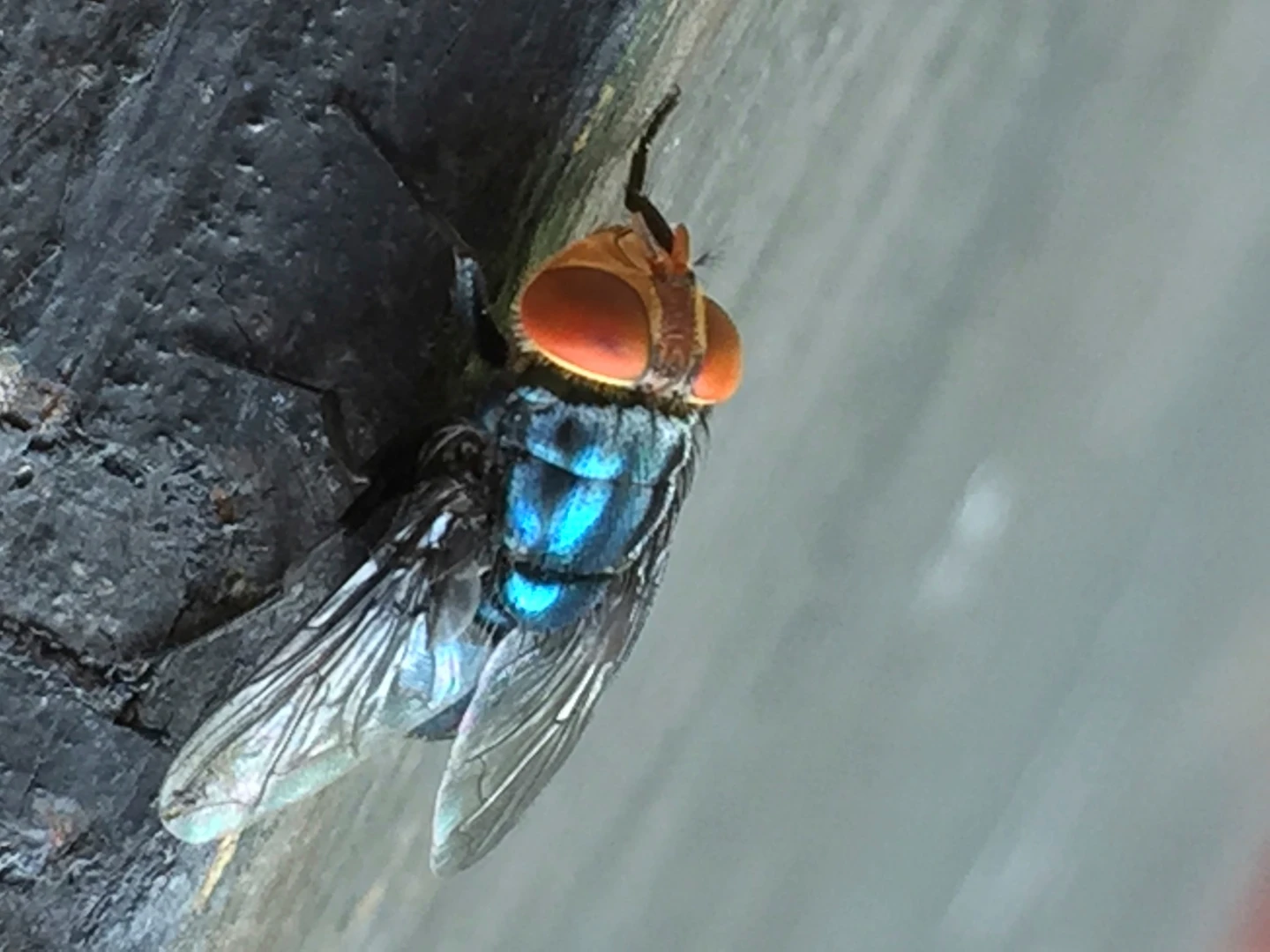
The New World screwworm fly is a rare parasite that latches onto living tissue, feeding its maggots on flesh and bodily fluids instead of dead carcasses. Female flies, limited to one mating event in a month‑long life, lay eggs in open wounds, mucous membranes or any small cut, turning any warm‑blooded creature into a potential host.
Ranchers warn that even “tick‑size” punctures can introduce the fly, which may spread through routine cattle handling practices such as shearing, de‑hornings and corralling. Todays discoveries raise alarm because the pest had been eradicated from the U.S. between the mid‑1930s and 1960s through a sterile‑male release program.
Officials sounded alarms for nearly two years
Since the first Mexican case in November 2024, federal and state agencies have been monitoring movements across the border. In July 2025 Agriculture Secretary Brooke Rollins shut livestock ports to prevent further entry into Texas, citing thousands of infestations already confirmed in Mexico.
While Mexico blames U.S. border policy, Rollins insists that the fly cannot travel long distances unaided; it rides on livestock moving into the United States. She stresses that the risk is contained if animal transport is tightly monitored.
Officials quarantine a swath of Texas
Texas State Veterinarian Bud Dinges declared a 12‑mile quarantine around La Pryor and a slice of neighboring Uvalde County. Animals leaving the zone must undergo inspection, and owners are advised to keep their herds and pets within. Dinges highlighted that the fly’s range is primarily determined by the movement of hosts.
In Texas, shots and fly drops
Rollins confirmed that the USDA has been releasing millions of sterile male flies over south Texas since February, a tactic that has been key to eradicating the pest in the past. A new fly‑breeding facility opened near the border, and a $21 million investment will add a southern Mexican center expected to start operations next month.
Rancher Stephen Diebel notes that proactive vaccination and careful wound care are vital. “Surveillance is the biggest factor—constantly monitoring cattle for any signs of infestation,” he says, expressing confidence that the fly’s spread can be contained.
Officials rely on time‑tested science
The sterile‑male technique is the most proven method for eradicating this parasite. Male flies are released in large numbers; when a female mates with one, it produces no viable eggs, gradually driving the population to extinction. The U.S. is investing $750 million to build a Texas factory capable of producing 300 million sterile flies per week.
Rollins stresses that this approach is not only effective but also environmentally friendly, making it the preferred tool to protect the $113 billion cattle industry and ensure the continued safety of beef products.
}